Coronavirus Data in the DRC: Driving Change
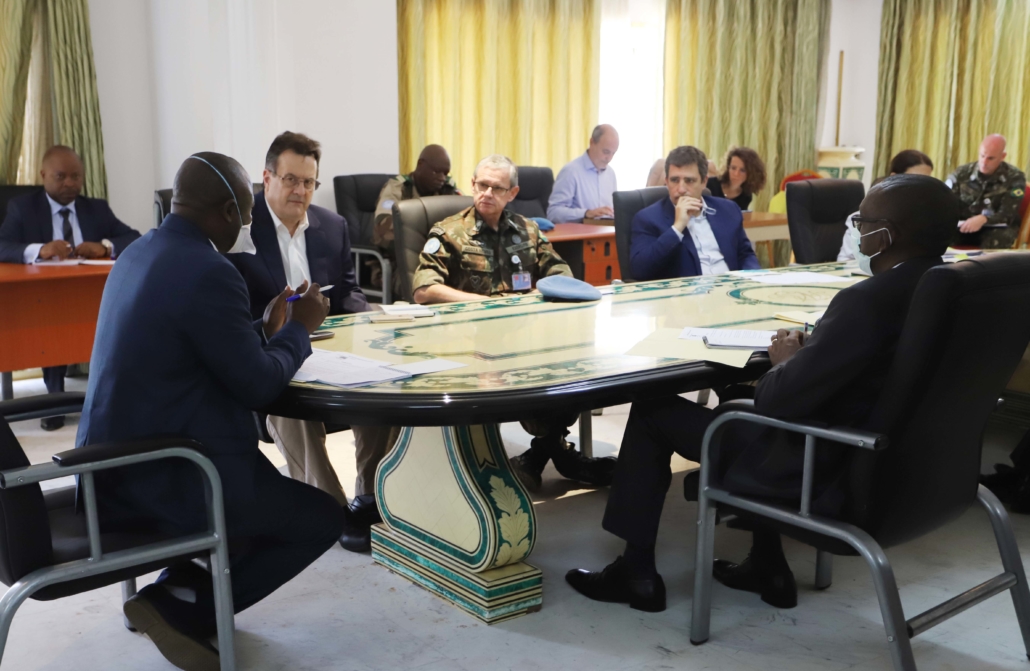
Currently battling cholera, measles, ebola revival and the new coronavirus — the Democratic Republic of the Congo (DRC) is experiencing one of the worst public health crises in the world. The DRC has seen about 9,300 cases of coronavirus, a small number given its population. Roughly 90% of these cases are located in the Kinshasa Province, which has a 2.3% mortality rate as of July 2020. At first glance, this number looks very small and suggests that the government has effectively prevented the spread of COVID-19. However, a hard look at coronavirus data in the DRC, reveals otherwise.
These numbers are misleading — given that over 50% of the countries’ population live in rural areas. These regions do not have the same access to testing equipment nor the technology that would provide valuable coronavirus data. As a result, the government’s main objectives now are to slow the propagation of COVID-19, support communities with insufficient medical infrastructure and strengthen the healthcare system. Mobile data is central to accomplishing these goals and avoiding further economic contraction.
The Need for Mobile Data in the DRC
Data is vital to limiting the spread of any virus, as it allows governments to obtain necessary health equipment for communities — based on existing medical infrastructure. Also, proper information enables health officials to warn at-risk citizens, promptly. Mobile data has five stages in the fight against COVID-19:
- Population mapping
- Plotting population mobility
- Adding data about virus spread
- Preparing logistics and health infrastructure
- Modeling the economic impacts
In countries where most of the population uses the internet, coronavirus data is available in abundance. This, in turn, allows such governments to progress through these five phases, quickly. However, the DRC’s ability to obtain and use coronavirus data is hindered by limited infrastructure. Only 17% of the country’s population has access to electricity. Furthermore, around 70% of the population lives in poverty. Therefore, only 4% can afford the internet.
Improving Information Accessibility
Recognizing its need for data to fight public health crises, the DRC is increasingly funding improved internet access. Most notably, the country partnered with Grid3, a company that helps governments collect, utilize and map demographic and infrastructure data. This results in better population estimates and enables the country to plot its healthcare centers concerning that data. Additionally, the DRC has partnered with various mobile operators, digital health specialists and public health NGOs to jumpstart its data-driven coronavirus policy project. Such projects have already produced promising results, such as mobile connectivity has risen by one million connections from 2019 to 2020.
Data Is the Key
Ultimately, data will be essential to tracking and predicting the spread of the new coronavirus as communities begin to open up. Better data will create more informed policies that will better protect the DRC’s fragile healthcare system and economy. Although the U.N. has said that 50% of all workers in Africa could lose their jobs because of the coronavirus, (putting millions more Congolese at risk of poverty) the DRC’s recent data collection efforts are promising for the future of poverty in the DRC. If the government continues to value mobile data and access to technology, poverty can be greatly reduced. Likewise, widespread electricity and internet availability, as well as the advent of a modernized, more resilient economy will increase the quality of life in the DRC.
– Alex Berman
Photo: Flickr
