6 Facts about Homelessness in Yemen
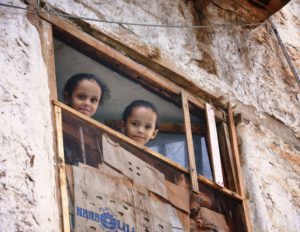
Before conflict escalated in Yemen, many considered the country the poorest in the Middle East and North African region. Poverty affected half the population, about 29 million people, before the crisis. Today, poverty impacts 71% to 78% of the population. The Yemen Crisis has led to increased homelessness and internally displaced persons. In addition, more than 3.6 million people lived in displacement at the end of 2019. Below are six facts about homelessness in Yemen.
6 Facts about Homelessness in Yemen
- The internally displaced persons in Yemen are facing challenges beyond homelessness. More than 80% of the population requires humanitarian assistance and many Yemenis do not have access to clean water, food and health care. Children and women are among the most vulnerable to the crisis. Moreover, many international organizations, such as UNICEF, Oxfam and the World Food Program, are helping these helpless Yemenis.
- Aside from the conflict, natural disasters have contributed to an increase in internally displaced persons. In late May and June 2019, torrential rains and flash floods hit Yemen. It directly affected a total of 80,000 people.
- In 2013, Yemen designed a national policy on internal displacement. However, due to a lack of government capacity and legal structure for its implementation, international organizations have become responsible for aiding internally displaced persons.
- The COVID-19 pandemic heightens the risk for internally displaced persons. Epidemiological projections estimate that COVID-19 could infect nearly 16 million people in Yemen or 55% of the population. Additionally, most displaced people live in overcrowded camps where they lack access to clean water, sanitation and other essential services. Moreover, flash flooding in Marib increased the chances of another cholera outbreak.
- The International Organization for Migration reported that “18,320 refugees and migrants arrived in April 2019 and 18,904 people arrived in May 2019.” Refugees and migrants intend to move through Yemen to Saudi Arabia and other Gulf countries. Ethiopians make up 90% of the arrivals into Yemen. In addition, 10% of the arrivals were Somalis. Refugees and migrants face human trafficking, kidnapping, dying at sea, lack of clean water or sufficient food and traveling through a war-zone region.
- The United Nations High Commissioner for Refugees (UNHCR) and its partners are working hard to protect internally displaced persons. In the first half of 2019, UNHCR and its partners distributed 39,754 basic household items and non-food item kits, 10,156 Emergency Shelter Kits and 513 Transitional Shelter Kits. The organization is currently designing 192 Refugee Housing Units in different regions in Yemen. Moreover, the UNHCR focuses on community and addressing tensions between displaced persons and their host communities. Community-Based Networks (CBPN) connect humanitarian aid to the affected population and raise awareness for community support projects. CBPNs referred to 180,009 individuals for protection assessments to UNHCR protection partners.
Yemen is in desperate need of aid to provide its people with essentials. Additionally, the COVID-19 pandemic and conflict in Yemen continue to push Yemeni people into extreme poverty and homelessness. The U.S. and international organizations must come up with finances to help Yemen’s dire situation. Without the support of the global community, Yemenis will go to sleep hungry, thirsty and in unsuitable living conditions.
– Mia Mendez
Photo: Flickr
