Housing to Reduce Homelessness in Iceland
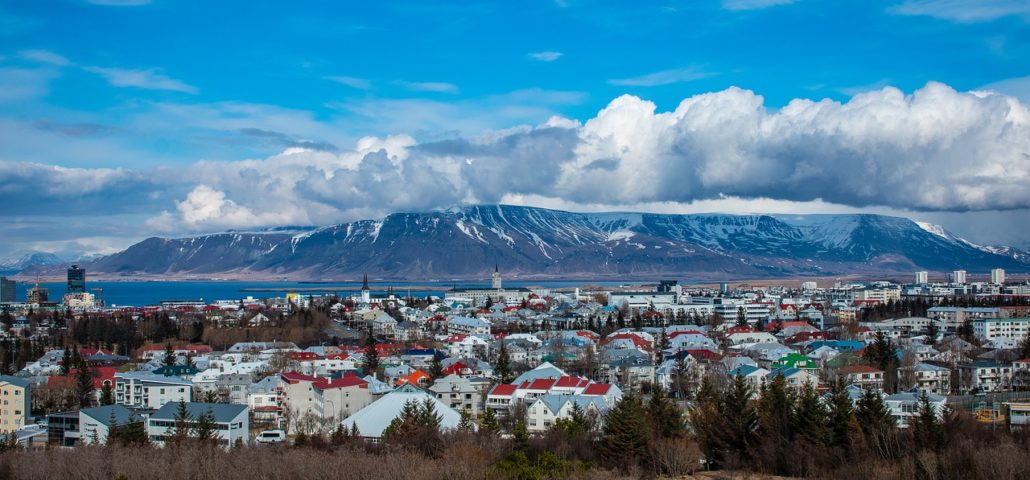
Homelessness in Iceland has been on the rise, as the country continues to experience aftershocks of the 2008 economic crisis. Iceland has a population of 364,134 (about half the size of Seattle). Between 2009 and 2017, the city of Reykjavík experienced a 168% increase in the number of homeless citizens. Iceland’s current national homeless rate remains unknown, but the last data set released in 2011 showed that 761 people experienced homelessness in Iceland.
Why is Homelessness in Iceland Increasing?
Between high rates of job loss and a lack of affordable housing, most sources credit the 2008 financial crisis as the root cause of Iceland’s increasing rate of homelessness. With too many expensive houses and too few affordable living options, many Icelanders became unable to support themselves or their families and had to move out of their homes and into shelters. Several other factors also figure into homelessness in Iceland. These include:
- Gender: More women seem to be experiencing homelessness in Iceland than before. One particular shelter in Reykjavík saw an increase of 35 to 41 women in a month, and 27 of those women had never used the shelter service before. This indicates a need for more shelters, with staff attuned to the needs of women who experienced trauma from domestic abuse and sexual violence. Women also tend to stay at shelters longer than men — sometimes for months or years.
- Drug and alcohol addiction: Some Icelanders argue that a more long-term goal is to address the underlying problem of drug and alcohol addiction, which can often lead to homelessness. This would help break the vicious cycle of dependency and lack of reliable shelter.
- Age: A large number of Icelanders who homelessness affects are elderly. The 2017 report showed that only 47% of Iceland’s homeless are between ages 21 and 40. This aging demographic often requires more care and medical attention, in which case the general shelter may not be sufficient.
- Mental health: Although Iceland ranked third in the World Happiness Report, some argue that the mental healthcare system in the country is not sufficient. Poor mental health is yet another risk factor for homelessness.
More Homes, Fewer Homeless
In 2018, Icelanders received hopeful news when their government made homelessness a top priority. The city council of Reykjavík passed legislation calling for the building of 25 homes for the homeless population. These homes, with a minimum rent of 40,000 ISK or $363, emerged as a more financially accessible option than the typical Reykjavík home, while also being longer-term solutions in comparison to shelters. To many, this was a heartening call to action in the fight against homelessness in Iceland, as well as a moving example of a community coming together to protect their fellow citizens.
Today, reports say that while people are still utilizing shelters for short-term housing, few are sleeping on the streets in Iceland. Sleeping outside can be lethal in frigid temperatures, and access to affordable housing is key to providing safety and security for Icelanders in need.
– Aradia Webb
Photo: Pixabay
