7 Things to Know About Poverty in the Middle East and North Africa (MENA)
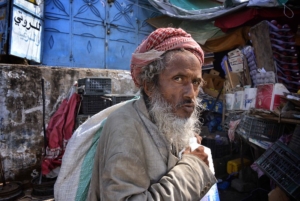
The Middle East and North African region, commonly referred to as MENA, is traditionally considered to include the geographical area from Morocco in northwest Africa to Iran in southwest Asia. Rich in history, culture and natural resources, this region consists of approximately 20 nations. As a result of vast reserves of oil, natural gas and petroleum, MENA has quickly grown in geopolitical importance. However, the region is also afflicted by persistent conflict and poverty. Here are seven recent trends in the rates of poverty in MENA.
7 Facts About Poverty in MENA
- MENA is the only region that has seen significant increases in extreme poverty. Between 2011 and 2015, extreme poverty in MENA has nearly doubled, rising from 2.1% of the population to 5%. As of 2018, an estimated 18.6 million people in the region are living on less than $1.90 per day. Additionally, studies have shown that the region’s population is particularly vulnerable to poverty. MENA’s poverty rates further increase when multidimensional poverty is included, which is an index of several poverty indicators including, among others, lack of education, poor health, standard of living and levels of violence. In 2017, the Arab Multidimensional Poverty Report estimated the total number of multidimensional poor at approximately 116.1 million – nearly 40% of the region’s population. Factored into the previous figures of poverty in the region, recent studies suggest that about 20% of the region is extremely poor, with an additional two-thirds of the region poor or vulnerable to extreme poverty.
- Class mobility is incredibly limited. Once a family falls into poverty, they are increasingly likely to remain poor for several generations. Largely due to insufficient job growth, much of the MENA population relies heavily on informal labor, such as unofficial taxi services or in-home services like cleaning or childcare. These forms of labor tend to be erratic, with low pay and minimal protections, yielding a larger population vulnerable to poverty with very few resources to pull themselves out of it.
- Recent studies suggest that MENA is the most unequal region in the world. Throughout the region, the top 10% of the population holds 61% of the wealth, compared to 47% in the United States and 36% in Western Europe. Many political and economic commentators in the region further suggest that this inequality has become deeply ingrained in the value system of the society as a whole, rather than just being the current condition.
- The increases in poverty are linked to conflict. The aforementioned increase in poverty between 2011 and 2015 was concentrated very heavily in Syria and Yemen, two nations that are experiencing intense conflict. The rate of extreme poverty in Syria has increased from nearly zero to about 20% over the course of its civil war. Similarly, extreme poverty in Yemen has doubled over the past decade, in line with its continued conflict. Despite the increasing number of people in poverty, these findings do indicate that major improvements in poverty in the region may not be too far off, considering the root cause is well known.
- Conflict has done severe damage to the region’s employment sectors. Even outside of the main crisis states, such as Syria, Libya and Yemen, the job market across the region has suffered greatly — either directly due to conflict or indirectly through sanctions, disrupted trade or population displacement. Throughout the early 20th century, the region relied heavily on its tourism, industrial, service and agriculture sectors. However, many aspects of these industries have been seriously impeded by persistent conflict. The International Monetary Fund estimated that the region needs to create between 60 and 100 million jobs by 2030, 27 million in the next five years, in order to significantly reduce unemployment and poverty.
- While it has undoubtedly created additional economic problems, the COVID-19 crisis has also inspired steps towards progress. Governments throughout the region took very cohesive and divisive steps from the beginning of the pandemic, restricting movement across borders and even within cities. Despite varied levels of outbreak preparedness, the MENA region has been notably effective in limiting the spread of COVID-19, with many countries beginning to ease travel restrictions and turn their attention toward phasing out of quarantine. The pandemic has had a major economic impact, particularly with the sudden collapse of oil prices. However, many in the region have been rather optimistic, considering this to be an opportunity for nations to begin addressing the systemic issues in the region, such as private sector development and social protections. Governments have been surprisingly receptive, with several states already mobilizing to protect both the public and private sectors.
- Governments have been largely ineffectual in dealing with economic problems, but the tides are turning. Largely due to persistent conflict, MENA regimes are typically focused on minimizing violence and war, allowing poverty to grow rapidly without policy changes. This has made the population especially vulnerable to recruitment by radical religious, ethnic or sectarian groups, such as Hezbollah and the Muslim Brotherhood. However, more recently we have seen an influx of civilians beginning to demand more from their governments — a call that political leaders are beginning to answer. Since the onset of Lebanon’s current economic crisis and subsequent protests, the Lebanese government has approved sweeping economic reform being referred to as a “financial coup.” The World Bank has also projected modest continued growth in the economy of the MENA region overall.
The past 50 years have been incredibly tumultuous for the MENA region, characterized by an abundance of violence and poverty. As recent data has confirmed, the region’s poverty is not subsiding anytime soon and the succession of Western-backed conflicts is not helping. Despite these difficulties, the region is very quickly evolving into a state of uniform solidarity. With more regimes beginning to reject foreign intervention and more civilians addressing their governments directly, particularly in the cases of Egypt and Lebanon, structural change could come to the region soon. However, this area of the world continues to be a prime example of just how dangerous extreme poverty can be when mixed with conflict, both for the host state and the international system.
– Angie Bittar
Photo: Flickr
