6 Facts about Homelessness in Jamaica
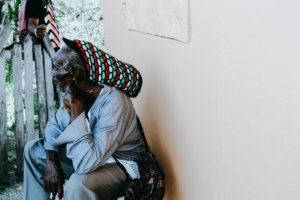 While Jamaica is known for attracting visitors to its luxurious resorts and reef-lined beaches, not everything on the island is paradise. In fact, its homeless population has gained attention, with over 2,000 people currently residing on the streets. Here are six facts about homelessness in Jamaica.
Six Facts about Homelessness in Jamaica
- Jamaica has a relatively high unemployment rate. According to the Statistical Institute of Jamaica, in 2019, the number of unemployed people was 96,700, or approximately 9.52%. Although these numbers are slightly lower than in previous years, unemployment rates are on the rise again. With over 75% of the country’s tourism workers having lost their jobs due to the COVID-19 pandemic, 2.4 million more workers are now unemployed.
- Hurricane Gilbert has been a significant contributor to homelessness in Jamaica. The category five hurricane occurred in 1988. It severely damaged about 80% of the island’s homes, with winds over 175 miles per hour. More than 200 people were killed and 500,000 left homeless. In a 2012 report, the National Committee on Homelessness stated how the aftermath of the hurricane has contributed to the homelessness entrenched in Jamaica.
- Jamaica’s crime rate remains three times higher than the average for Latin America and the Caribbean. The high youth unemployment rate, which exceeds 25%, correlates to high crime and violence levels. In 2018, Business Insider ranked Jamaica 10th among 20 of the most dangerous places in the world in 2018 due to its high homicide rates and gang prevalence. The International Monetary Fund cited crime as the number one impediment to economic growth, and with a poverty rate of 16.5%, much of the population is unable to secure financial support.
- Jamaica’s homeless population is at a high risk of contracting illnesses. Homeless populations, in general, are three to six times more likely than housed populations to become ill or infected with diseases. In Jamaica, one specific threat to homeless populations is HIV. Common practices in homeless populations like sex work and drug use are implicated in contracting HIV, according to a study on “HIV Risk and Gender in Jamaica’s Homeless Population.” With homelessness increasing the risk of contracting HIV, many cannot afford necessary medications due to expensive healthcare costs.
- A new homeless shelter is under construction. The government is building the new shelter in Kingston, the country’s capital, costing approximately $120 million. Local Government and Community Development Minister Hon. Desmond McKenzie shares that “this facility will cater to over 300 Jamaicans living on the streets and lacking proper care.” Additionally, St. Thomas and Trelawny drop-in centers will increase accommodation for approximately 1,971 registered homeless people islandwide.
- Jamaica’s homeless are receiving aid during the COVID-19 lockdown. During April and May, Jamaica’s homeless were provided with two meals per day to mitigate against reduced resources during the coronavirus pandemic. This particular food program coincided with the constructions of drop-in locations for the homeless across the island. A $150 million allocation is being put forth to make the program possible, with the help of funding from the central government and the ministry’s budget. Organizations such as Food For The Poor and The Salvation Army continue to mobilize to help those in need.
Exacerbated by factors such as unemployment, natural disasters and mental health issues, homelessness in Jamaica is still prevalent. While homelessness remains a major issue, the government and organizations are working to make a positive change. A new facility and food program are aiding people living on the streets, especially during COVID-19. These six facts emphasize how, while homelessness continues, allocating time and resources has positively impacted people who are homeless in Jamacia.
– Erica Fealtman
Photo: Unsplash
