5 Facts About Hunger in the Dominican Republic
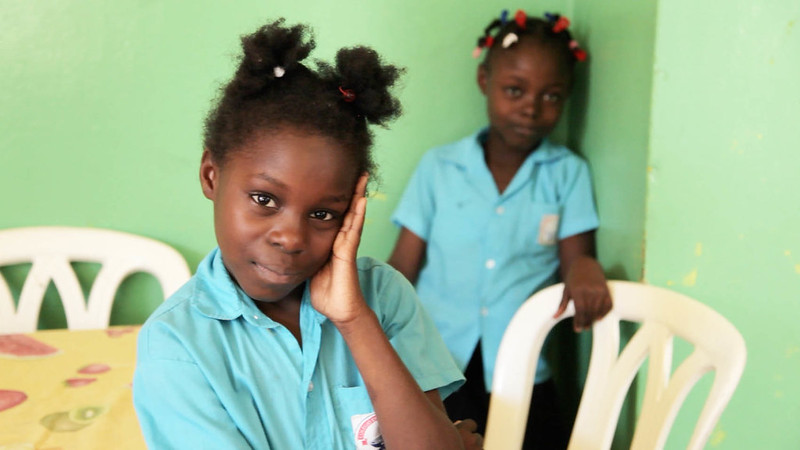 The Dominican Republic has a population of more than 11 million. Hunger remains a pressing issue for many in this region, as the country ranks 46th on the Global Hunger Index. The COVID-19 outbreak exacerbated the situation, with the number of people living with food insecurity reaching 1.5 million.
5 Facts About Hunger in the Dominican Republic
- Percentage of the population suffering from poverty – Around 2.5 million people in the Dominican Republic suffer from poverty. This results in a national poverty rate of 22.8%, which is relatively high for upper-middle-income countries. Out of this population, 3% live in extreme poverty, and poverty is directly linked to hunger. While poverty has decreased in recent years, more efforts are needed to address this issue.
- Effects on children – The limited access to nutrient-diverse food that some families experience in the Dominican Republic has affected children in the form of anemia and malnutrition. Almost a third of children under 5 are suffering from anemia, while over 7% of children are currently experiencing malnutrition. The most common type of anemia is Iron Deficiency Anemia, which is caused by a shortage of iron in the body, according to the Mayo Clinic. This type of anemia is often caused by a diet lacking iron-rich foods. While the rate of children with anemia is still high, the World Food Programme and the government of the Dominican Republic have been able to drastically reduce this rate in the last few years.
- High risk of natural disasters – The Germanwatch Climate Risk Index ranks the country 12th in vulnerability to climate disasters. From 1980 to 2008, almost a quarter of the population was affected by natural disasters. In the latter part of 2023, thousands of people were displaced in the Dominican Republic due to floods and landslides, leading to increased hunger and poverty as the livelihoods of many were affected. The country needs more focused approaches to develop plans for combating the effects of natural disasters. This is important not only to reduce hunger and poverty but also to improve the country’s economy.
- Helping through education – While hunger in the Dominican Republic is a serious issue, numerous organizations are working to help solve it. For example, Food for the Hungry sponsors children through donations to ensure they have enough to eat. The organization is also working to reduce disparities by improving the quality of education and providing equal opportunities for all. The newly launched transformative program, Edulabs, aims to provide quality technological education and skills to 90,000 marginalized youth and adults. Food for the Hungry aims to reduce poverty and hunger in the country through such initiatives.
- Fostering self-reliance – Food for the Poor is dedicated to fighting hunger and poverty. It provides essential aid such as food supplies, financial assistance for housing, education, and sustainable income sources. Additionally, it offers resources and training to help individuals establish small businesses. This helps foster self-reliance and builds resilience in the community.
Final Remarks
Addressing hunger in the Dominican Republic requires focused humanitarian efforts. While hunger has long been a challenge, history has demonstrated that it can be alleviated through targeted action. The impact of hunger is particularly severe on the region’s children, who are most vulnerable to the effects of malnutrition. By prioritizing the issue of hunger and malnutrition today, we can pave the way for a more promising future for the Dominican Republic in the post-COVID-19 era.
– Sophia Gardner
Photo: Flickr
Updated: September 27, 2024
