The Healthcare System in Jordan
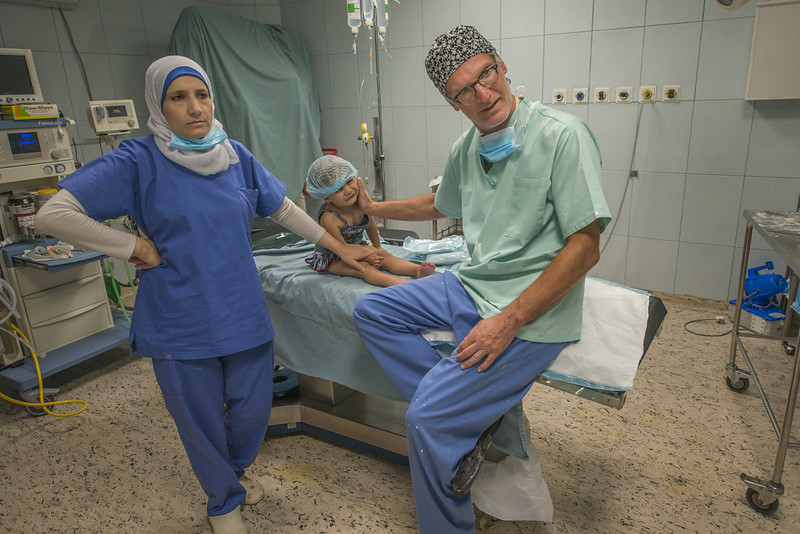
Jordan is an Arab country located in the East Bank of the Jordan River. It has a population of 10 million people. Although one of the smaller countries in the Middle East, many know Jordan for its advanced healthcare system. The international community, along with the World Health Organization, are consistently taking notes from the Jordanian healthcare system in the hopes of applying some of its stronger elements, such as widespread insurance coverage and increased investment, to countries with weaker systems.
Facts About Healthcare in Jordan
The healthcare system in Jordan includes public and private sectors. The public sector provides a majority of Jordan’s 12,081 hospital beds. The private sector contributes to the country primarily through the provision of home healthcare. There is a total of 106 hospitals, public and private, in Jordan. Due to recent shifts in the political climate in the Middle East, Jordan has accepted a high rate of refugees. More refugees, coupled with an increase in the domestic population, has greatly increased the demand for hospitals. To keep up with the growing population and improve the healthcare system in Jordan, lawmakers implemented a national e-health system. This e-health system intends to connect all public and university hospitals, maintain organization and establish easily accessible health records for all.
Primary clinics supply rapid access medical care along with vaccinations, maternity and childcare and quick treatment for chronic conditions. Until recently, healthcare in Jordan lacked a formalized home healthcare system. Without this system, patients needing long-term care must remain in acute care facilities for weeks, even months, at a time. Since the implementation of Jordan’s home healthcare initiative in 2017, the industry has trained 300 health professionals and gained the participation of 28 healthcare facilities, both public and private. The country is currently expanding home healthcare policy while other countries in the Middle East lack a structured home healthcare system, putting Jordan at one of the most modern healthcare systems in the region.
Infant Mortality in Jordan
The infant mortality rate, one of the lowest rates in the region, stands at 13.9% and has steadily declined over the last 10 years. Furthermore, the maternal mortality rate is 62 per 100,000. This rate is much lower than the average of 420 per 100,000 live births in the Eastern Mediterranean region. The consistent betterment of the health conditions of children and infants is in part due to the universal child immunization that the country achieved in 1998. Since then, Jordan has made it a significant priority to improve the conditions of healthcare that it provides to women and children. Unfortunately, this priority does not stand true in most countries surrounding Jordan.
National Health Policy and Organization
Given Jordan’s sectoral organization of the healthcare system, the country has one of the most modern systems in the region. Its high expenditure in healthcare goes toward developing newer methods of treatment and expanding healthcare accessibility sets Jordan apart from other countries. In 2003, the healthcare expenditure comprised about 10.4% of Jordan’s GDP. Each sector has its own independent financial and managerial systems that reflect the regulation and delivery of services. This distribution of regulation allows for the country to target and improve specific elements of its healthcare system.
In the last decade, Jordan has reformed and improved its health information systems and human resources teams. Additionally, Jordan’s government introduced a National Health Insurance system to provide large-scale accessibility to health insurance to a large part of the country’s population. Overall, the net population of insured individuals in the last four years was around 55%. However, in other countries surrounding Jordan like Egypt, healthcare insurance coverage relies heavily on an individual’s financial status and income. As a result, only those who are very well-off receive effective coverage.
Given the recent changes in prioritization of the healthcare system in Jordan, the country has improved its standard of care greatly in the last 10 years. Compared with other Middle Eastern nations, Jordan stands out with its advanced healthcare system. Currently, though, the healthcare assistance that Jordan provides to Syrian refugees begins to decline due to financial burdens on its budget. Therefore, continued support from the U.N. is necessary to sustain refugee healthcare accessibility.
– Taleen Avitsian
Photo: Flickr
