5 Leading Diseases in Sri Lanka
A 6-year-old boy cried from pain from a small room in an overcrowded ward. The small child had a fever and rash and pointed to the different parts of his body that hurt. Hannah Mendelsohn, a medical volunteer from Haifa, Israel, tried to distract the boy with games of tic-tac-toe and peekaboo.
The child displayed classic symptoms of dengue fever. Doctors diagnosed him with the virus at Karapitiya Teaching Hospital in Galle, Sri Lanka during the summer of 2015. “[The boy] had luckily gotten to the hospital when he was still in an earlier stage of the disease,” Mendelsohn told The Borgen Project. “There were a few times I heard doctors tell patients with dengue that there were no options for life-saving care.”
While non-communicable diseases are the main causes of death in Sri Lanka, many still consider certain infectious diseases, including dengue fever, threats to public health. Here are five leading diseases in Sri Lanka.
5 Leading Diseases in Sri Lanka
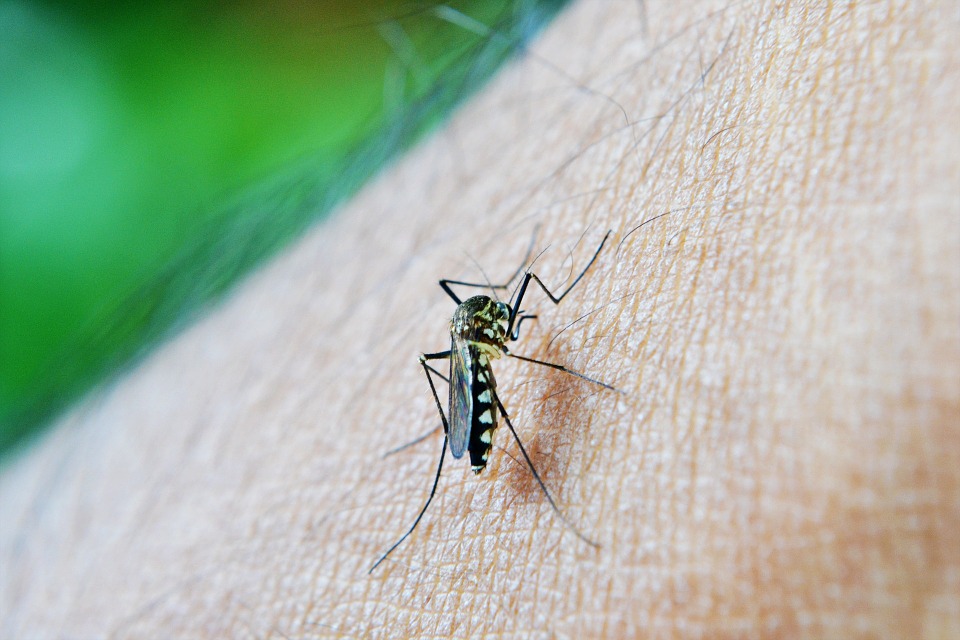
- Dengue Fever: Dengue is a mosquito-borne virus that is endemic to Sri Lanka. A person can contract dengue any time of year. However, the risk elevates during the monsoon season. This is the time of year when dengue-bearing mosquitos are most common, and severe storms often inhibit travel for care. The year 2019 saw double the cases when compared to the previous year with over 99,000 reported cases and 90 deaths. The World Health Organization (WHO) is currently working with Sri Lanka’s Ministry of Health, Nutrition and Indigenous Medicine to control the spread of dengue fever by enhancing dengue surveillance and training health care workers dengue case management and prevention. Among the suggested prevention strategies, WHO advises keeping neighborhoods clean and using mosquito netting and repellents to prevent bites.
- Acute Lower Respiratory Infections: Acute lower respiratory infections (ALRI) are leading causes of childhood mortality and morbidity in Sri Lanka; they are responsible for 9 percent of deaths of children under age 5. Poor access to health care, food shortages, lack of safe water and poor sanitation elevate the risk and disease burden. Fortunately, the political prioritization of public health has led to increased administration of vaccinations. This has reduced the impact of contracted ALRI. In 2014, Sri Lanka’s government enacted a national immunization policy which guarantees every citizen the right to vaccination. A separate line in the national budget aims to ensure the continuous availability of immunizations.
- Typhoid Fever: Typhoid is a bacterial infection that has a high mortality rate when a person does not receive treatment. Between 2005 and 2015, Sri Lank had 12,823 confirmed cases of typhoid fever. The risk of typhoid is related to overcrowding, food shortages and poor water quality. Sri Lanka’s prevention strategy has largely focused on disease surveillance and health education. Every medical practitioner has to notify the government of any typhoid fever diagnosis. Health education has involved the promotion of proper sanitation and immunization campaigns.
- Meningitis: Meningitis, a bacterial disease, was the 20th leading cause of premature death in Sri Lanka in 2010. Malnutrition, poor access to health care and poor sanitation are risk factors for infection and disease severity. Since 1990, the annual number of deaths due to meningitis in Sri Lanka has decreased. It was formerly the 16th leading cause of premature death. Experts largely attribute this to the growing accessibility of the Haemophilus Influenzae B vaccine.
- Tuberculosis: Tuberculosis was the 21st leading cause of premature death in Sri Lanka in 2010. The estimated number of cases has progressively increased from 10,535 in 1990 to 11,676 in 2007. The National Strategic Plan for Tuberculosis Control 2015-2020 states that Sri Lanka has successfully maintained a high treatment rate for tuberculosis. Because tuberculosis transmits from person-to-person, a high treatment rate reduces the risk of transmitting further infections. Additionally, Sri Lanka has received funding from the Global Fund for AIDS, Tuberculosis and Malaria. The funds are for raising awareness and increasing access to medication.
Non-communicable diseases currently represent a larger health burden. However, the continued incidence of infectious diseases in Sri Lanka highlights the burden of poverty. For many of these five leading diseases in Sri Lanka, vaccinations are widely available and accessible in developed countries. Yet, reports of cases and fatalities in Sri Lanka still occur.
Still, for infectious diseases where vaccines remain elusive, poverty is a prominent risk factor for infection and severity of illness. Poverty affects the ability to receive adequate nutrition, sanitary housing, health care and more.
“Around the clock, patients died from diseases that are definitely preventable,” Mendelsohn said. “Coming from a developed country where medical care is among the best in the world, it was hard for me to accept that, just a continent away, people were still dying of infectious diseases to which the cures had already been found.”
– Kayleigh Rubin
Photo: Pixabay
