10 Facts About Life Expectancy in the Dominican Republic
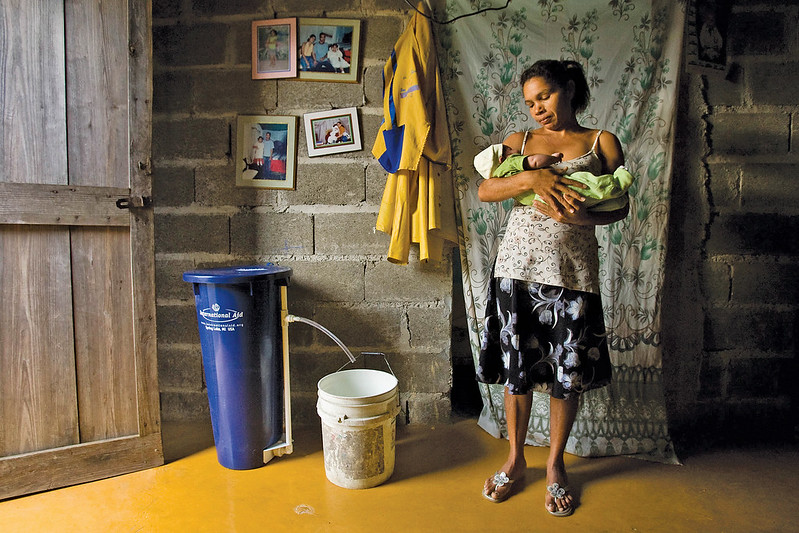 Situated in the Caribbean and sharing the island of Hispaniola with Haiti, the Dominican Republic is home to nearly 11 million inhabitants. While health challenges persist, there have been many positive signs of progress in the past few decades in health care, funding, implementation and education that have resulted in a trend of higher life expectancy every year. Here are 10 facts about life expectancy in the Dominican Republic.
10 Facts About Life Expectancy in the Dominican Republic
- Life expectancy in the Dominican Republic has steadily increased over time. The average life expectancy will increase 6.99 percent from 2000 to 2020 according to projections by the U.N. Life expectancy from the time of birth in the country is currently 74.15 years of age.
- According to 2018 data collected by the World Health Organization, the leading causes of death in the Dominican Republic are coronary heart disease (19.85 percent), stroke (10.65 percent), prostate cancer (3.57 percent), HIV/AIDS-related illnesses (5.45 percent) and violence (5.51 percent).
- Infant mortality rates have dropped dramatically. Between 1990 and 2015, the infant mortality rate in the Dominican Republic fell by 50.3 percent due to expanded health coverage and immunization campaigns. However, the World Health Organization (WHO) has identified a priority gap for infant mortality rates of children under age 5 and maternal mortality. Infant mortality rates also decreased by 2.32 percent from 2019 to 2020.
- An increasing number of people are covered by health insurance. Between 2011 and 2015, 22 percent more of the population was covered by government-provided health insurance. In spite of higher out-of-pocket expenditures and gaps in services for a large portion of the population, the country is on track to universal coverage.
- There is greater access to safe drinking water. National and international groups developed programs in the past five years to improve coverage of clean and safe drinking water in the Dominican Republic, including the Drinking Water Monitoring System in 2015, which expanded monitoring in five provinces. On average, 86.8 percent of homes (urban and rural) have an improved water source.
- Natural disasters are being mitigated by better risk management systems. Because of its location, the Dominican Republic is ranked among the top 10 countries experiencing extreme weather due to hurricanes, tropical storms and seismic risk along tectonic plates. Since 2013, the incorporation of “disaster risk reduction” into laws and government systems has made the country a safer place to live, including Law 147-02 on risk management and the National Plan for Comprehensive Disaster Risk Management.
- Dominicans are more educated than ever before. As of 2016, the Dominican Republic had a literacy rate of 93.78 percent, up 1.79 percent from 2015. The mean number of years of schooling in 1990 was five. In 2014, it was recorded at 7.7 years.
- Greater attention is being placed on family planning and contraceptives. Around 99 percent of pregnant women in 2013 received prenatal care by a medical professional and 72 percent of partnered women used some form of contraception. Government resources combat adolescent pregnancies and promote family planning for women and couples. U.N. projections show the fertility rate (births per woman) declined 1.07 percent between 2019 and 2020, in line with yearly trends.
- Health services have been expanded to cover HIV treatment and prevention. Programs through the United States Agency for International Development (USAID) has offered assistance and services to the Dominican Ministry of Health for the past few decades to help prevent the transmission of HIV and offer treatment to those living with HIV. Between 2010 and 2014, the country increased antiretroviral coverage for populations living with HIV from 51 percent to 63 percent.
- Death by violence has declined over the past decade. Figures from the World Bank show that homicide rates decreased by 12.72 percent from 2014 to 2016 in the Dominic Republic. Since 2014, death by violence or other external causes has become a major concern, sparking the creation of public initiatives such as the Public Safety 9-1-1 Emergency Systems launched in Santo Domingo.
Considerable progress in life expectancy and quality of life have been made in the Dominican Republic in spite of new and old challenges to health and wellbeing. Data shows that in all these areas, overall improvements on the part of the Dominican government, as well as international organizations, have contributed to a steady improvement of living conditions.
– Caleb Cummings
Photo: Flickr
