• Link to X
  • Link to Facebook
  • Link to Instagram
  • Link to TikTok
  • Link to Youtube
  • About
    • About Us
      • President
      • Board of Directors
      • Board of Advisors
      • Financials
      • Our Methodology
      • Success Tracker
      • Contact
  • Act Now
    • 30 Ways to Help
      • Email Congress
      • Call Congress
      • Volunteer
      • Courses & Certificates
      • Be a Donor
    • Internships
      • In-Office Internships
      • Remote Internships
    • Legislation
      • Politics 101
  • The Blog
  • The Podcast
  • Magazine
  • Donate
  • Click to open the search input field Click to open the search input field Search
  • Menu Menu
Blog - Latest News
Global Poverty

Nepal Innovates Traditional Compost with Urine
Nepal_Urine_Fertilizer
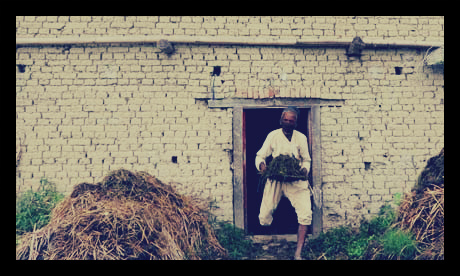
Instead of using the traditional nitrogen-rich fertilizer typically used to encourage crop growth, researchers in Nepal are experimenting with an unlikely candidate for fertilizer: human urine.

Urea, which is typically used as fertilizer, was found by researchers in Nepal’s capital to be inferior to human urine in fertilizing crops. As part of their research, compost was mixed with different types of fertilizer sources, including urine mixed with compost, and the combinations were tested on pepper plants. The plants in which a mix of urine and compost was used grew the tallest plants that bore the most peppers.

Scientia Horticulturae, who released the study, attributed the positive affect of the unique mixture to “reduced nitrogen loss and enhanced availability of organic carbon in the soil.” The researchers conclude that human urine could be a possible alternative to traditional fertilizers in enhancing sustainable agriculture.

The study goes on to point out that although the use of urine may enhance crop growth, the use of it alone is not sufficient to have a positive effect on plants – it must be used in addition to compost. Currently in Nepal, farmers are applying urine directly to soil, which is not efficient.

Urine alone does not contain organic matter to become a viable source of nutrients for crops, but does provide “faster-releasing nutrients that complement slow-release nutrients from compost, which has a higher content of organic matter and beneficial microbes.”

Researchers acknowledge that although the combination of urine and  compost is sustainable, efficient, and cost-effective, marketing this to farmers may be difficult due to “cultural factors” and reluctance of farmers to handle human urine. Experts also cite that government subsidies to mineral fertilizers will stand in the way of widespread use of urine in agriculture.

– Christina Kindlon

Source: Guardian

April 10, 2013
Share this entry
  • Share on Facebook
  • Share on X
  • Share on WhatsApp
  • Share on Pinterest
  • Share on LinkedIn
  • Share on Tumblr
  • Share on Vk
  • Share on Reddit
  • Share by Mail
https://borgenproject.org/wp-content/uploads/borgen-project-logo.svg 0 0 Borgen Project https://borgenproject.org/wp-content/uploads/borgen-project-logo.svg Borgen Project2013-04-10 09:13:432020-05-12 06:57:24Nepal Innovates Traditional Compost with Urine

Get Smarter

  • Global Poverty 101
  • Global Poverty… The Good News
  • Global Poverty & U.S. Jobs
  • Global Poverty and National Security
  • Innovative Solutions to Poverty
  • Global Poverty & Aid FAQ’s
Search Search

Take Action

  • Call Congress
  • Email Congress
  • Donate
  • 30 Ways to Help
  • Volunteer Ops
  • Internships
  • Courses & Certificates
  • The Podcast
Borgen Project

“The Borgen Project is an incredible nonprofit organization that is addressing poverty and hunger and working towards ending them.”

-The Huffington Post

Inside The Borgen Project

  • Contact
  • About
  • Financials
  • President
  • Board of Directors
  • Board of Advisors

International Links

  • UK Email Parliament
  • UK Donate
  • Canada Email Parliament

Get Smarter

  • Global Poverty 101
  • Global Poverty… The Good News
  • Global Poverty & U.S. Jobs
  • Global Poverty and National Security
  • Innovative Solutions to Poverty
  • Global Poverty & Aid FAQ’s

Ways to Help

  • Call Congress
  • Email Congress
  • Donate
  • 30 Ways to Help
  • Volunteer Ops
  • Internships
  • Courses & Certificates
  • The Podcast
Link to: Volunteers Pitch Funding Needs Link to: Volunteers Pitch Funding Needs Volunteers Pitch Funding Needs Link to: Child Marriage: A Promise of Poverty Link to: Child Marriage: A Promise of Poverty Child Marriage: A Promise of Poverty
Scroll to top Scroll to top Scroll to top