Top 10 Facts About Girls’ Education in Guinea
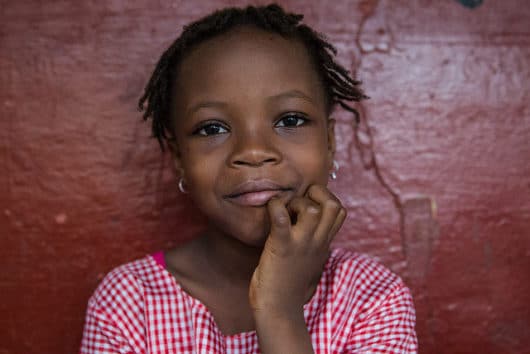
Education is the key to a healthier, more economically developed society, especially when every child has a chance to benefit from it. Guinea, a small country in West Africa, is no exception. Although girls’ education in Guinea is often impeded by gender bias and traditional views of women’s roles in society, the country has made great strides to create a more equal education system. Keep reading to learn the top 10 facts about girls’ education in Guinea.
Top 10 Facts About Girls’ Education in Guinea
- Gender bias hinders girls’ education in Guinea. Families with multiple children, especially those in rural areas, tend to choose to educate boys instead of girls. Guinean girls face the issue of being taken out of school to help with younger siblings and assist with cooking or other housework. This significantly affects their ability to keep up with schoolwork, which furthers the likelihood of dropping out altogether.
- There is a steep drop in girls’ enrollment between primary and secondary school. While 84% of girls attend primary school, only 30% attend and complete secondary school. Even fewer graduate and move on to higher education. This dramatic drop is largely due to teen girls dropping out of school to fulfill family expectations, like helping out at home. As girls get older, these expectations become bigger pressures to leave school.
- There is a major disparity in literacy rates between girls and boys. While 71% of males ages 15 to 24 are literate, only 49% of females can say the same. This gap has significant long-term consequences, limiting women’s access to higher education and reducing their participation in the workforce. Lower literacy levels can also restrict economic independence and career advancement, reinforcing cycles of poverty and inequality over time.
- Child marriage is a major barrier to girls’ education. The frequency of teen girls who are married has dropped in the last decade. However, 46% of girls still marry before 18, and 11.5% give birth before they are 19 years old. Early marriage prevents girls from completing their education.
- A lack of proper toilet facilities keeps many girls out of school. For girls of menstruating age, the ability to dispose of sanitary pads and wash their hands in a single-sex bathroom is essential. Between 27 and 95% of all female students in Guinea will miss school at some point due to menstruation. Missing even a week of class can raise the likelihood of abandoning school altogether.
- Gender-based violence also poses a problem to girls’ education in Guinea. Sexual harassment—even assault—is not uncommon for female students to experience. In fact, up to 28% of adolescent girls in Guinea report experiencing physical or sexual violence in their lives. Male teachers may exploit their authority over students, and violence is common enough to create worries for families sending their daughters to school.
- The COVID-19 pandemic severely impacted education. Students missed at least 36 weeks of school during the COVID-19 outbreak, which put girls at more risk for dropping out to support their families through marriage or work. After the shutdown, this effect was amplified by the resurgence of Ebola in 2021. While schools did not close, public fears of disease spread deterred families from sending children to school.
- The Sahel Women’s Empowerment and Demographic Dividend (SWEDD+) project is expanding girls’ education in Guinea. The SWEDD+ project was launched in 2015 to promote opportunities for women in the Sahel region. SWEDD+ has supported more than 100,000 Guinean girls’ education through “performance incentives, school materials, bicycles and training in life skills.” Because of SWEDD+, Guinean girls have access to new education infrastructure specifically designed to help them.
- In 2024, UNICEF launched its partnership with the Agence Française de Développement (AFD). Together, they secured $9 million to fund the Global Partnership for Education’s Girls’ Education Accelerator, which supports girls’ educational opportunities in countries around the world. An estimated 1.6 million children will benefit. In addition to their national advocacy campaign, this funding will help expand the Girls’ Education Accelerator services.
- Girls who are in school have been staying in school. The retention rate for girls enrolled in school was nearly 100% in 2024. Because of new programs and partnerships, more girls are being encouraged to continue their education. While girls’ education in Guinea still has a long way to go, girls have seen real improvements in recent years. Retention is the first step to expansion and continuation through secondary school.
Education is a powerful tool, especially for girls who so often find themselves fighting to stay in school. The top 10 facts on girls’ education in Guinea prove that while progress may be slow, it is still happening. Implementing programs to bring educational opportunities to girls in rural areas, discouraging child marriage and eradicating harassment in the classroom is essential to create a more equal platform for education in Guinea.
– Holli Flanagan and Divya Beeram
Photo: Flickr
