10 Facts About Isaaq Genocide
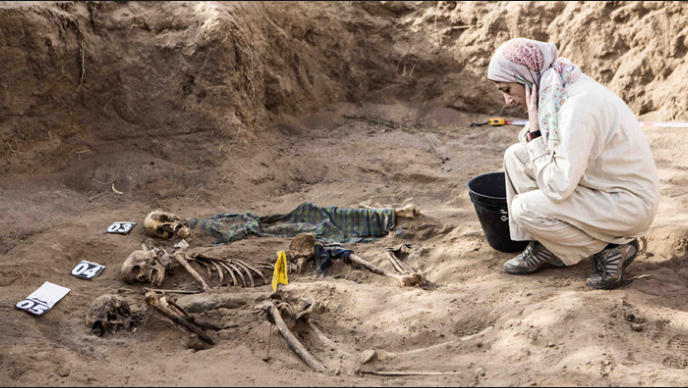 Since its creation, Somalia has been involved in war and instability. The first 30 years as an independent country were marked by a brutal genocide that almost wiped out one of the original tribes of the region: The Isaaq. The Borgen Project brings to you 10 facts that you need to know about the Isaaq genocide.
- In 1960, Somalia declared independence from Italy and Britain, who controlled different regions of modern Somalia territory.
- The Somalia genocide started in 1969 when Siad Barre, a military leader, overtook the government and led the nation into a partnership with the Soviet Union, declaring the country a socialist state.
- In 1978, the Somali army attempted to invade Ogaden, a territory located on Ethiopia’s border. Thanks to the help of Cuba and the Soviet Union, Ethiopian soldiers were able to drive Somali forces out of the region and strike different villages in Ogaden. Around 1 million people, who lived in those villages, had to flee to Somalia’s border, specifically women and children.
- The Somali government asked for support from the United States after socialist countries, Cuba and the USSR, provided military aid to Ethiopia.
- After the war with Ethiopia, Somalia was left with a severe crisis and became divided by strong opposition groups. These groups were led by the Somali National Movement which was established by the Isaaq clan of the northern regions.
- In consequence, Barre’s government carried out aerial and artillery bombardment over three Isaaq cities: Hargeisa, Berbera and Bur’o.
- Before the attack, Barre forced marches of Isaaq across the desert towards the Ethiopian border. In 1990 there were around 360,000 Somali refugees in Ethiopia. After the incident, thousands of Isaaq fled their homes in Somalia, leaving behind ghost cities.
- The Washington Post reported that around 50,000 Somali citizens died during the war, a majority of whom were Isaaq civilians.
- In 1988, the Somali government signed a peace agreement with Ethiopia.
- In 1991, President Barre was forced into exile after the Somali Congress overthrew his military regime.
Almost 27 years after the Isaaq genocide event, Somalia still faces a violent crisis between different political and religious groups. Organizations like the United Nations are trying to stop the violence in the country and provide security to its citizens.
– Dario Ledesma
Photo: Google
