• Link to X
  • Link to Facebook
  • Link to Instagram
  • Link to TikTok
  • Link to Youtube
  • About
    • About Us
      • President
      • Board of Directors
      • Board of Advisors
      • Financials
      • Our Methodology
      • Success Tracker
      • Contact
  • Act Now
    • 30 Ways to Help
      • Email Congress
      • Call Congress
      • Volunteer
      • Courses & Certificates
      • Be a Donor
    • Internships
      • In-Office Internships
      • Remote Internships
    • Legislation
      • Politics 101
  • The Blog
  • The Podcast
  • Magazine
  • Donate
  • Click to open the search input field Click to open the search input field Search
  • Menu Menu
Blog - Latest News
Global Poverty

The Basics of Agroecological Farming
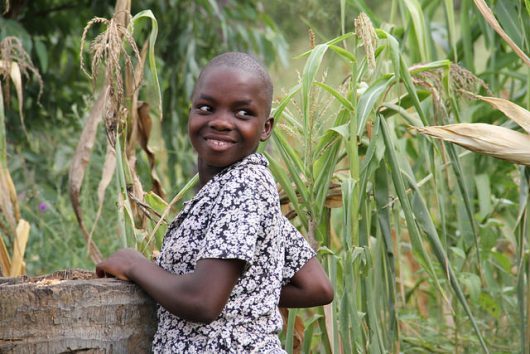

There is no doubt that flaws exist within our global food and agriculture systems. However, there are several innovative options for how to improve these systems. Many farmers and communities worldwide have discovered a possible solution through a technique known as agroecological farming.

The idea behind agroecological farming is to link ecology, culture, economics and society to foster a healthy environment for food production. It focuses on food production that maximizes the use of goods and services without harming these resources in return.

Studies show that agroecological farming programs are more efficient than conventional methods. Improving upon efficiency also increases cost efficiency. By using fewer inputs, expenses are reduced, soil fertility is maintained, pests are managed and higher incomes for farmers are possible.

The Muscatine Island LTAR is a long-term agroecological farming site as well as a soil fertility research field where research has shown the benefits of agroecological farming. In a study comparing the yield of fruit quantity of conventional versus organic peppers, no significant difference in yield was found, but organic peppers fetched prices 70 percent higher at market value. Analyzing this study economically, the organic plants cost more to produce, but being able to sell them for more, they far exceeded the conventional plants in profits made. The benefits of the organic method reach beyond profit. In this study, soil fertility in organic plots actually improved over time. The Muscatine Island LTAR allows for long-term cropping systems experiments that have land tenure and advanced management.

Organizations around the globe are investing in agroecological farming practices to improve them and, along with farmers, develop ways to create more efficiency within these programs.

Agroecological farming allows farmers to participate in innovative processes where creativity and skills are encouraged to jump-start agriculture and food production, which forms the basis for life as well as the economy. Agriculture, especially agroecological farming, and food production are centers for addressing challenges like hunger and poverty.

The U.N. confirms that agroecological farming could double global food production within ten years, reduce the effects of climate change and help alleviate poverty. This farming style also conserves biodiversity and improves nutrition by creating a more well-balanced diet. Since production happens locally, it brings families and communities closer together.

– Katelynn Kenworthy

Photo: Flickr

August 18, 2017
Share this entry
  • Share on Facebook
  • Share on X
  • Share on WhatsApp
  • Share on Pinterest
  • Share on LinkedIn
  • Share on Tumblr
  • Share on Vk
  • Share on Reddit
  • Share by Mail
https://borgenproject.org/wp-content/uploads/borgen-project-logo.svg 0 0 Borgen Project https://borgenproject.org/wp-content/uploads/borgen-project-logo.svg Borgen Project2017-08-18 01:30:052024-05-28 00:02:13The Basics of Agroecological Farming

Get Smarter

  • Global Poverty 101
  • Global Poverty… The Good News
  • Global Poverty & U.S. Jobs
  • Global Poverty and National Security
  • Innovative Solutions to Poverty
  • Global Poverty & Aid FAQ’s
Search Search

Take Action

  • Call Congress
  • Email Congress
  • Donate
  • 30 Ways to Help
  • Volunteer Ops
  • Internships
  • Courses & Certificates
  • The Podcast
Borgen Project

“The Borgen Project is an incredible nonprofit organization that is addressing poverty and hunger and working towards ending them.”

-The Huffington Post

Inside The Borgen Project

  • Contact
  • About
  • Financials
  • President
  • Board of Directors
  • Board of Advisors

International Links

  • UK Email Parliament
  • UK Donate
  • Canada Email Parliament

Get Smarter

  • Global Poverty 101
  • Global Poverty… The Good News
  • Global Poverty & U.S. Jobs
  • Global Poverty and National Security
  • Innovative Solutions to Poverty
  • Global Poverty & Aid FAQ’s

Ways to Help

  • Call Congress
  • Email Congress
  • Donate
  • 30 Ways to Help
  • Volunteer Ops
  • Internships
  • Courses & Certificates
  • The Podcast
Link to: Human Rights in Norway Link to: Human Rights in Norway Human Rights in Norway Link to: Food for Soul: A Chef’s Foundation to Feed the Hungry Link to: Food for Soul: A Chef’s Foundation to Feed the Hungry Food for Soul: A Chef’s Foundation to Feed the Hungry
Scroll to top Scroll to top Scroll to top