10 Facts About Women’s Rights in Brazil
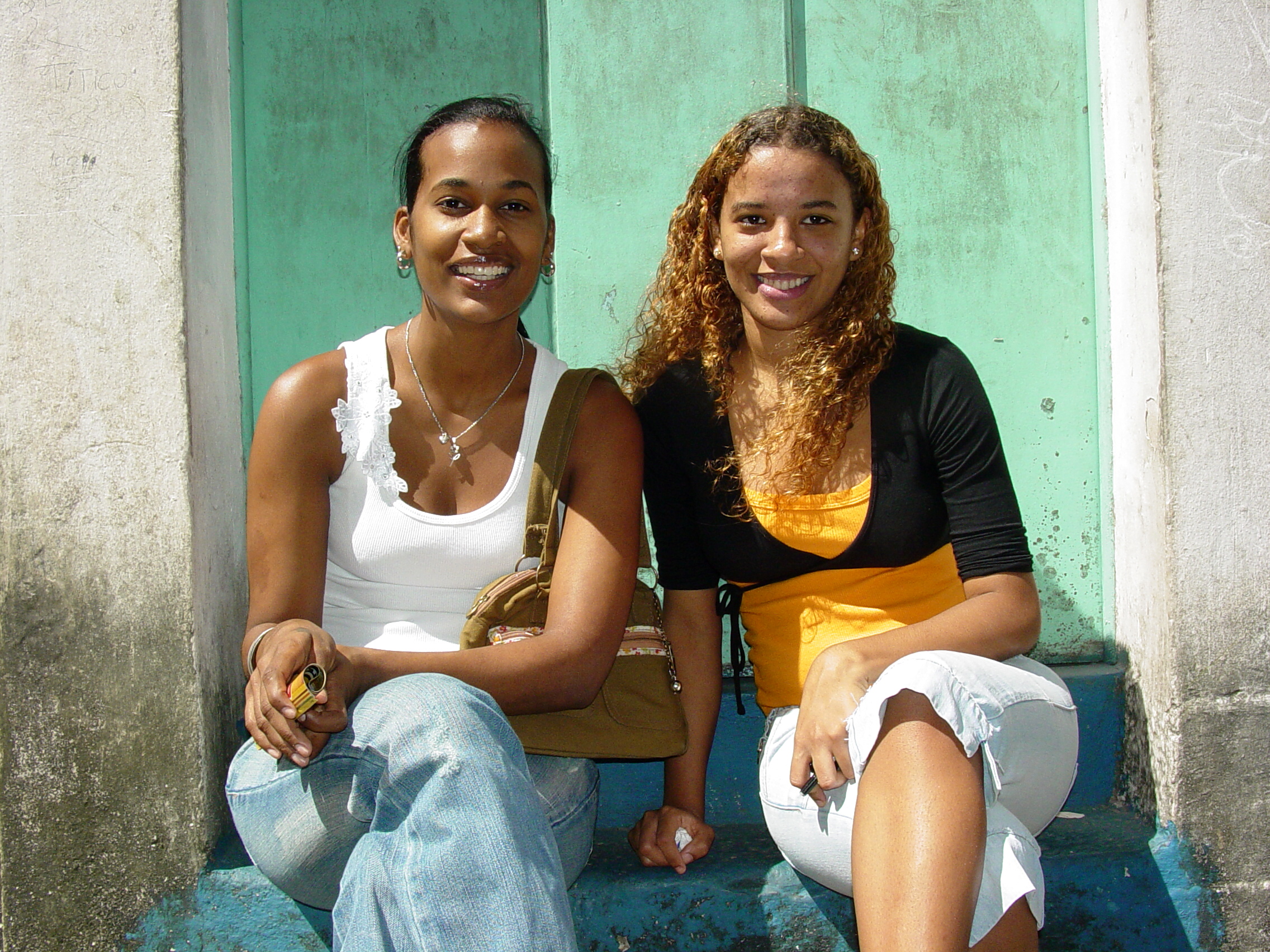
Brazil is the largest country in South America with a population of more than 200 million. Though the country has taken many legal steps forward towards improving women’s rights in Brazil — a number of hurdles remain in the way of equal representation and gender equality within the country. Below is a list of 10 facts about women’s rights in Brazil.
10 Facts About Women’s Rights in Brazil
- The Convention on the Elimination of all Forms of Discrimination Against Women (CEDAW) was ratified in Brazil in 1979. The United Nations General Assembly adopted the treaty in the same year. The treaty aimed to act as a bill of rights, an international baseline of privileges that should be afforded to all women — focusing on protection against discrimination. Despite this positive first step four decades ago, rights violations against women continue in Brazil.
- Only men were considered official heads of households until 1988. Despite ratification of CEDAW in 1979, solely men were able to be legally recognized as head of household for an additional nine years. Under this provision of the Civil Code, only men were able to manage the home and joint assets.
- Brazil had a female president. From 2011 to 2016, Dilma Rousseff held the position of President of Brazil. Though Brazil does not hold one of the highest rates of female political representation, female participation rates in government have been steadily increasing. Elections in 2018 saw a record number of women run for office, in all sectors of government.
- As female political representation increases, child mortality decreases. As more women are elected into office, they bring with them increased awareness regarding issues that disproportionately impact women and children. This has created a negative correlation (but a positive outcome) between increased female political representation and decreased mortality in children under 5-years-old from 2000 to 2015.
- In 2015, Brazil committed to upholding gender equality at the United Nations Global Leaders meeting. The president at the time, Dilma Rousseff, affirmed her commitment to protecting women from violence as well as further including female voices in policy-making decisions. On a practical level, Rousseff promised to improve available education to women, in addition to maternal healthcare. Previous commitments to improve women’s rights in Brazil have included establishing care for victims of gender violence as well as increased penalties known as “femicide laws” for those who perpetrate these crimes against women. These commitments suggest a hopeful, forward movement for women’s rights in Brazil.
- Brazil instituted equal pay laws in 2017. Under Brazilian labor laws prior to 2017, gender discrimination was prohibited during the hiring process. That said, there were no laws mandating equal pay. However, in 2017, Brazilian labor laws consolidated additional regulations requiring equal pay and creating penalties for non-compliance.
- Funding for projects protecting women has decreased since January 2019. When President Jair Bolsonaro took office in January 2019, the budget for the Secretariat of Policies for Women was cut by 27%. Much of the funds available to the department went to maintaining a hotline for women to report violence and receive guidance on support-resources. This service has not received adequate support from the federal government in terms of funding, despite its importance to improving women’s rights in Brazil.
- Femicide rates continue to rise in Brazil. Despite increasing female representation in government and strides toward female-centered legislation in the country — Brazil continues to have one of the highest rates of femicide in the world. Even as murder rates fall, femicide, a phenomenon defined as violence against women resulting in death — continued to rise as much as 7% from 2018 to 2019.
- Brazil has the highest instances of child marriage in South America. Though the legal age of marriage in Brazil is 18, there is an exception for pregnant females 16 and older. In 2016, 36% of girls were married before they turned 18. Child marriage remains a barrier to the full realization of women’s rights in Brazil.
- COVID-19 has caused an increase in violence toward females. Most cases of femicide and domestic violence occur within the home. Due to increased time in isolation as a result of lockdowns, rates of femicide across South America and in Brazil have seen a dramatic rise since March 2020. Six states in Brazil experienced a 56% increase in femicide during March alone.
Brazil has made good and meaningful progress in the past, regarding women’s rights. However, issues such as the increasing rate of femicide, coupled with the country’s already high rates of child marriage must be remedied in order to bring about true gender equality. The outlook should prove promising if previous positive trends continue.
– Jazmin Johnson
Photo: Google Images
