COVID-19’s Impact on NGOs in India
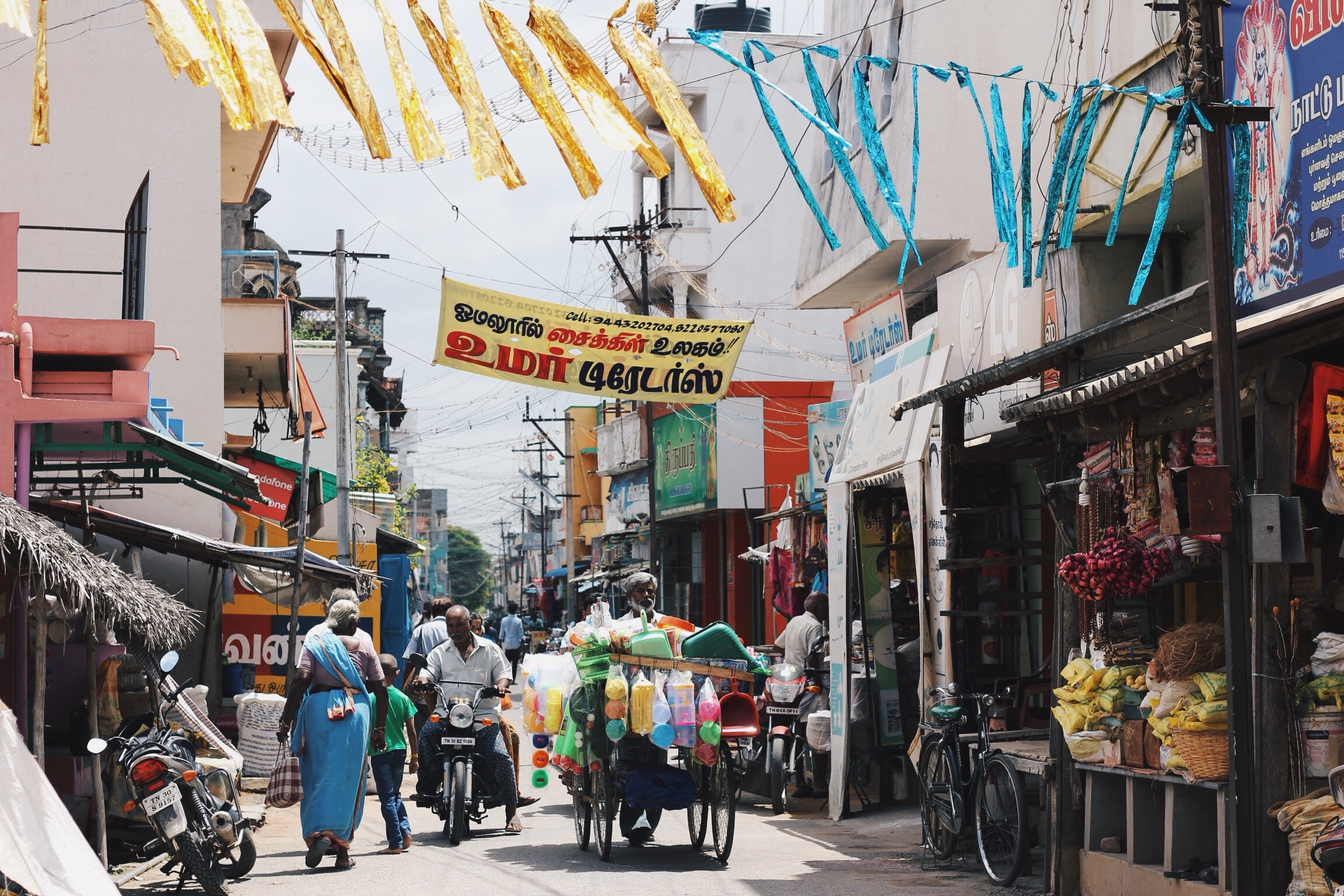 The global impact of COVID-19 has disrupted the lives of billions worldwide. This has resulted in widespread job and life losses, economic crises and societal turmoil. Amid these unprecedented challenges, the nonprofit sector has emerged as a crucial force. Nongovernmental Organizations (NGOs) are actively contributing in areas such as humanitarian aid, diplomacy, advocacy and global governance. While the world has recognized the pivotal roles played by NGOs during the pandemic, one notable aspect is COVID-19’s impact on the NGOs in India. The Borgen Project interviewed NGO Leader Sri Gopalakrishnan, the founder of KindKart, to gather insights about the state and growth of NGOs in India.
Lack of Funds and Infrastructure – The Biggest Challenge for the NGOs in India
The pandemic severely impacted India’s social sector, redirecting funds to emergency relief and causing financial challenges for NGOs. About 33% of Indian NGOs faced a six-month survival crisis due to inadequate funds. As rightly pointed out by Sri Gopalakrishnan, although the specific needs of the NGOs may have evolved, addressing the basic needs continues to be the main driver for several local charities in India as COVID-19’s virulence continues to morph since the onset.
Lack of government support and unethical practices by some of the unregistered NGOs usually result in investors and the public losing trust and turning away from donating, exacerbating COVID-19’s impact on the NGOs in India. Moreover, public fundraising activities shifted to online events and social media campaigns due to COVID-19, compelling NGOs to scale back their operations.
Loss of Jobs & Disruption at Schools Impact the NGOs
The closure of schools, businesses and workplaces led to the loss of jobs and income for employed individuals and disruption for children. About 10 million Indians lost their jobs during the second wave of the pandemic. COVID-19’s impact on the NGOs forced them to shift to remote work, impacting operations and creating challenges in balancing fieldwork and digital tasks.
The global unemployment rate hit 6.5% as an additional 33 million people lost their employment in 2020, bringing the total number of unemployed individuals worldwide to 220 million. The economic crisis triggered by the pandemic constrained donors’ capacity, resulting in NGOs facing a decline in voluntary income.
Collaboration Enables Chartering the Course for the NGOs
In 2021, under the Pradhan Mantri Garib Kalyan Yojana (PMGKY) program instituted by the prime minister of India, the World Bank approved $500M to improve response to social protection. This enabled the state and the central government organizations to define a more adaptive social protection system, reaching more groups based on individual needs.
As of current data, there are more than 190,000 registered NGOs in India, according to information from the NGO Darpan portal, a platform that provides space for collaboration between NGOs and key government ministries and departments.
Corporate Social Responsibility (CSR) and the Influence of Technology
Amid the crisis, there is an opportunity to reshape relationships between the social sector, businesses and government, with CSR playing a key role. The government mandates companies to allocate 2% of their profits to CSR projects. Increasing CSR commitments and leveraging technology through socio-tech ventures can bring about impactful change in addressing India’s vast socio-economic challenges for nonprofits.
Policy Changes, Governance and Technology Mark the Future
Several reports, including the Center for Monitoring of the Indian Economy (CMIE) statistics, revealed 10 million job losses during the second wave of the pandemic. Therefore, the government requires support from India’s social sector to achieve significant positive change in health, economy and society.
Over the past decade, the World Bank partnered with tech providers, foundations, think tanks and Indian agencies to develop social protection systems. This initiative engaged experts to enhance India’s social protection architecture. To avoid falling into the trap of the global economic crisis, the Government of India must strategize its objectives, introduce many policy changes and enhance the country’s stature in international relations.
– Sudha Krishnaswami
Photo: Unsplash
