OUR ADVOCACY.
REAL RESULTS.
For more than two decades, The Borgen Project has mobilized people, met with political leaders and helped build support for policies addressing global poverty.
20+ yearsof sustained advocacy
Making global poverty a political priority since 2003.
410meetings with Congress
In support of the Water for the World campaign, 2009–2014.
138Capitol Hill meetings
Supporting the READ Act and earlier education legislation.
9,000+constituent emails
Mobilized for education legislation in the READ Act campaign.
Legislation We Helped Champion
Legislation supported by The Borgen Project that went on to become law, alongside some of the advocacy campaigns behind the work.
118th Congress
BECAME LAW · 2024
—24
117th Congress
BECAME LAW · 2022
BECAME LAW · 2022
—22
116th Congress
—20
115th Congress
—18
What Sustained Advocacy Looks Like
Some wins take years. These campaigns show how meetings, constituent action and persistence can build political support.
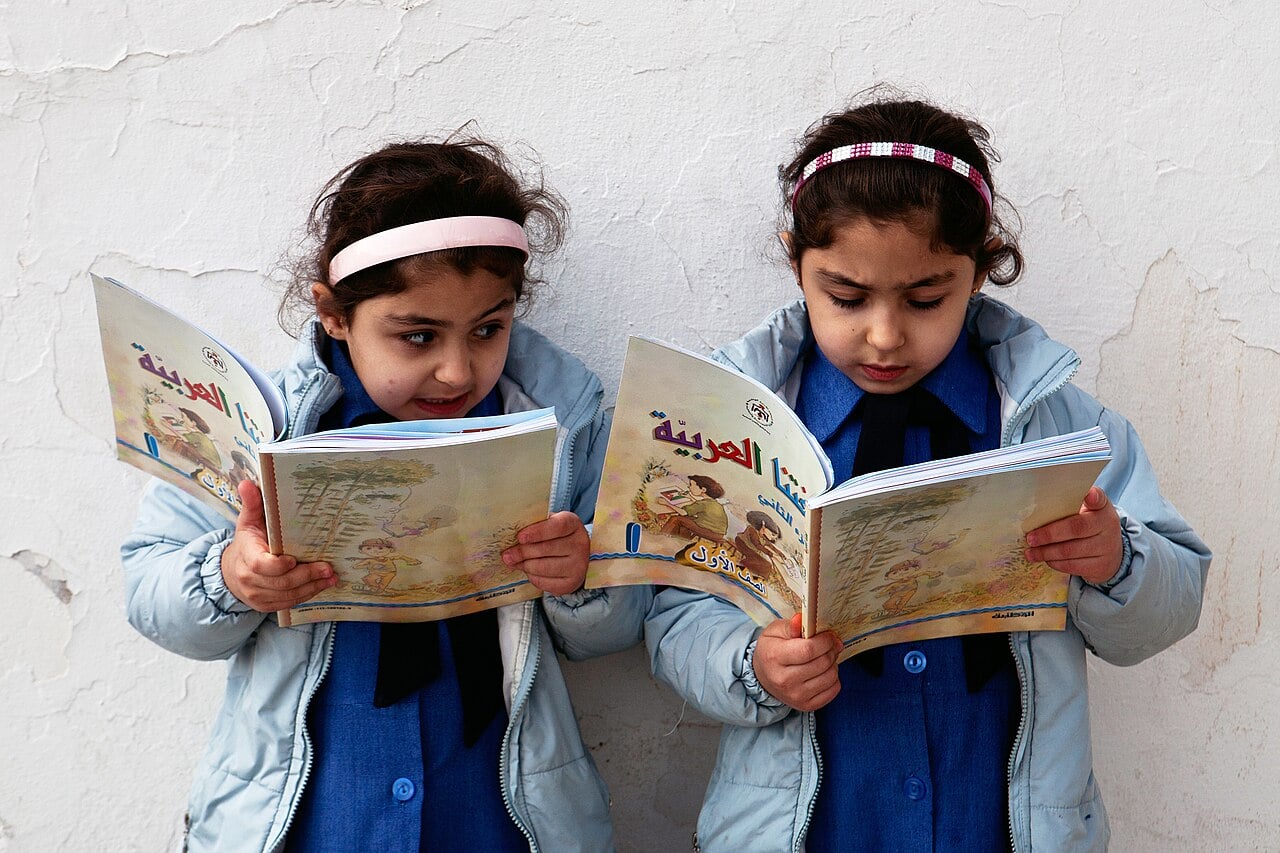

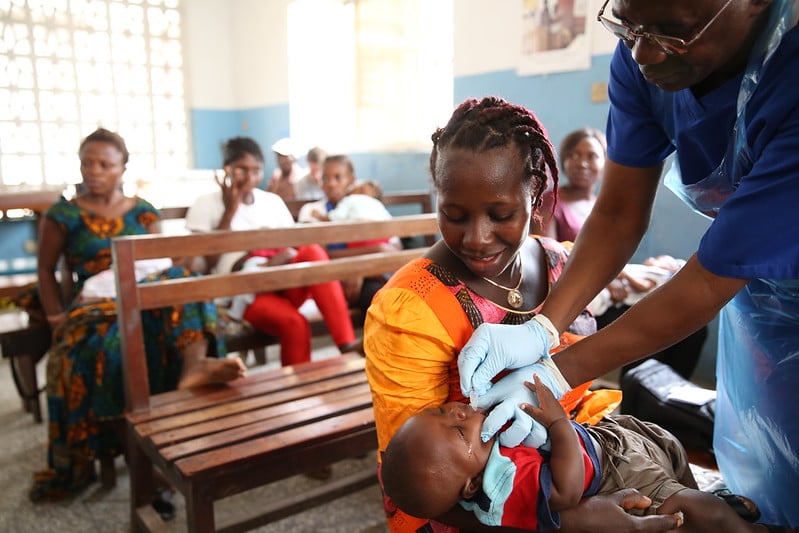
The Borgen Project joined U.S. leaders and organizations opposing a planned $1 billion cut to global health funding. The current Success Tracker records what that level of funding supported.
Getting Global Poverty Into the Rooms Where Decisions Are Made
In 2022, The Borgen Project reported meetings with large shares of congressional committees that shape U.S. foreign policy and spending.
“The Borgen Project’s reputation for smart advocacy was confirmed to me when a senior Congressional staffer told me what an impression the organization had made on him.”
ADAM OLSON · OXFAM AMERICA
Earlier Campaigns and Advocacy Milestones
Explore the earlier campaigns, congressional outreach and public initiatives that helped shape The Borgen Project’s advocacy over more than two decades.
Earlier Legislation and the 114th Congress
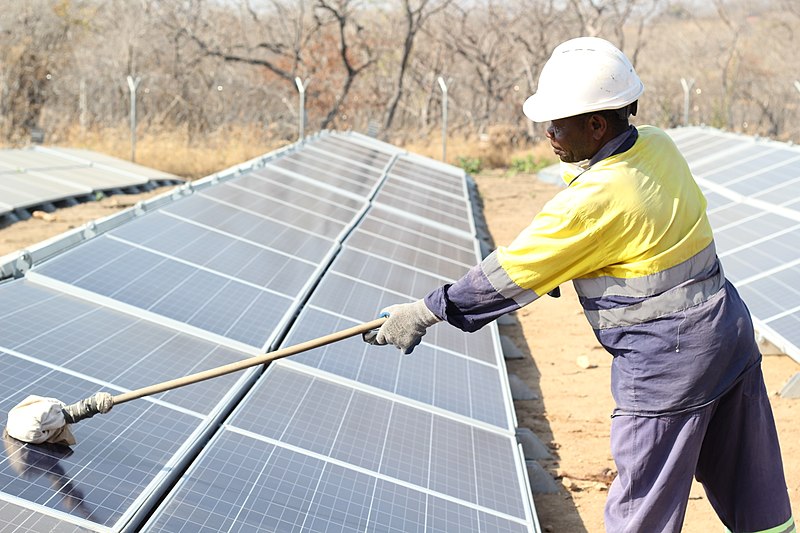
The Borgen Project continued advocating for international development priorities throughout the 114th Congress (2015–2016). The Electrify Africa Act, which aimed to expand access to electricity in sub-Saharan Africa, became law in 2016.
The Water for the World Act had become law in December 2014, following years of congressional outreach. Both campaigns are featured above as examples of sustained engagement with lawmakers.
Food Aid Reform · 2014
In 2014, The Borgen Project joined efforts to make U.S. emergency food assistance more efficient and flexible. The organization met with 26 Senate offices and 17 House offices while Congress considered increasing the share of food aid transported on U.S.-flagged vessels from 50% to 75%. The proposed increase did not pass the Senate.
Borgen also engaged congressional offices during consideration of the Johanns–Leahy amendment. Adopted by the Senate Appropriations Committee on May 8, 2014, the amendment proposed an additional $35 million in cash flexibility for Food for Peace. Borgen’s historical record notes that nine of the 16 senators voting in favor had met with Borgen within the previous 48 hours. The amendment was not included in the final budget.
Global Food Security · 2009–2010
In 2009, Borgen met with more than 100 congressional offices to build awareness of global food security. Its public outreach reached more than 100,000 people and encouraged constituents to contact elected representatives.
In 2010, the United States established Feed the Future and proposed $3.5 billion for agricultural development. G20 countries also pledged $22 billion toward food security. At the time, the initiatives projected higher incomes for at least 40 million people and nutrition interventions for 25 million children; these figures were projections rather than measured outcomes.
Political Accountability
The Borgen Project has used public education, commentary and direct congressional engagement to bring attention to decisions affecting people living in poverty.
In 2010, after the Water for the World Act advanced in the Senate but stalled in the House, Borgen published commentary explaining the legislative situation and the need for sustained public attention.
Millennium Development Goals · Early Advocacy
Beginning in 2006, The Borgen Project promoted the United Nations Millennium Development Goals through congressional meetings and online public-awareness campaigns.
This early outreach included meetings with staff for then-Senator Barack Obama and efforts to make reducing extreme poverty a more prominent U.S. foreign-policy priority. The Obama–Biden administration’s 2009 foreign-policy agenda subsequently included a commitment to reducing extreme poverty.
Feeding the World · Historical Context
Borgen’s food-security advocacy has addressed agricultural livelihoods, access to markets and financing, and infrastructure that helps communities produce, transport and sell food.
These campaigns connected long-term development policies with the daily challenges facing farming communities and families, while encouraging public engagement with the policymakers responsible for international development decisions.
HELP PUT GLOBAL POVERTY ON THE AGENDA.
Contact political leaders, volunteer or support the advocacy that keeps poverty-reducing policies in front of decision-makers.
