• Link to X
  • Link to Facebook
  • Link to Instagram
  • Link to TikTok
  • Link to Youtube
  • About
    • About Us
      • President
      • Board of Directors
      • Board of Advisors
      • Financials
      • Our Methodology
      • Success Tracker
      • Contact
  • Act Now
    • 30 Ways to Help
      • Email Congress
      • Call Congress
      • Volunteer
      • Courses & Certificates
      • Be a Donor
    • Internships
      • In-Office Internships
      • Remote Internships
    • Legislation
      • Politics 101
  • The Blog
  • The Podcast
  • Magazine
  • Donate
  • Click to open the search input field Click to open the search input field Search
  • Menu Menu
Blog - Latest News
Food Security, United Nations

2013: The International Year of Quinoa
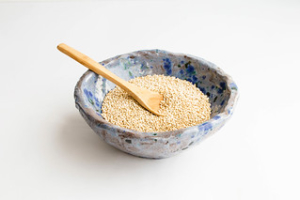
2013: The International Year of QuinoaThe year 2013 has been titled “The International Year of Quinoa” by the United Nations and the Food and Agricultural Organization (FAO) has named Bolivia’s president, Evo Morales, the Special Ambassador for the International Year of Quinoa. So, why is that important?

Quinoa is a semi-cereal, not quite a grain, that is mostly grown in Peru and Bolivia. If you have any “foodie” friends or know any hip cooks, you will probably have heard a lot about quinoa. In fact, the factor of “hipness” may have had a huge part in increasing the popularity of the food, as well as the fact that it has astonishing nutritional value. The UN’s declaration of 2013 being the International Year of Quinoa is part of an effort to further increase the food’s popularity. The real reason that quinoa is being pushed as a popular food is that quinoa is extraordinarily hardy, and is a great source of amino-acids. It is one of the most durable foods on Earth. Quinoa is able to thrive even in semi-arid deserts and the high Altiplano.

Quinoa is now being planted more and more in other harsh climates that span countries like Chad and Niger. While most of the world’s quinoa still comes from Peru and Bolivia, it is gaining ground in other countries. The heightened popularity of the food has increased the average crop value and provided higher income to farmers and local business owners alike. Hopefully, the popular attention that quinoa is receiving will help consumers make the choice to join in and celebrate the International Year of Quinoa.

– Kevin Sullivan

Source: United Nationsl

February 23, 2013
Share this entry
  • Share on Facebook
  • Share on X
  • Share on WhatsApp
  • Share on Pinterest
  • Share on LinkedIn
  • Share on Tumblr
  • Share on Vk
  • Share on Reddit
  • Share by Mail
https://borgenproject.org/wp-content/uploads/borgen-project-logo.svg 0 0 Borgen Project https://borgenproject.org/wp-content/uploads/borgen-project-logo.svg Borgen Project2013-02-23 19:33:562024-06-10 02:52:482013: The International Year of Quinoa

Get Smarter

  • Global Poverty 101
  • Global Poverty… The Good News
  • Global Poverty & U.S. Jobs
  • Global Poverty and National Security
  • Innovative Solutions to Poverty
  • Global Poverty & Aid FAQ’s
Search Search

Take Action

  • Call Congress
  • Email Congress
  • Donate
  • 30 Ways to Help
  • Volunteer Ops
  • Internships
  • Courses & Certificates
  • The Podcast
Borgen Project

“The Borgen Project is an incredible nonprofit organization that is addressing poverty and hunger and working towards ending them.”

-The Huffington Post

Inside The Borgen Project

  • Contact
  • About
  • Financials
  • President
  • Board of Directors
  • Board of Advisors

International Links

  • UK Email Parliament
  • UK Donate
  • Canada Email Parliament

Get Smarter

  • Global Poverty 101
  • Global Poverty… The Good News
  • Global Poverty & U.S. Jobs
  • Global Poverty and National Security
  • Innovative Solutions to Poverty
  • Global Poverty & Aid FAQ’s

Ways to Help

  • Call Congress
  • Email Congress
  • Donate
  • 30 Ways to Help
  • Volunteer Ops
  • Internships
  • Courses & Certificates
  • The Podcast
Link to: Smog From China is Crossing Borders Link to: Smog From China is Crossing Borders Smog From China is Crossing Borders Link to: New Proposals for Development in Haiti Link to: New Proposals for Development in Haiti New Proposals for Development in Haiti
Scroll to top Scroll to top Scroll to top