• Link to X
  • Link to Facebook
  • Link to Instagram
  • Link to TikTok
  • Link to Youtube
  • About
    • About Us
      • President
      • Board of Directors
      • Board of Advisors
      • Financials
      • Our Methodology
      • Success Tracker
      • Contact
  • Act Now
    • 30 Ways to Help
      • Email Congress
      • Call Congress
      • Volunteer
      • Courses & Certificates
      • Be a Donor
    • Internships
      • In-Office Internships
      • Remote Internships
    • Legislation
      • Politics 101
  • The Blog
  • The Podcast
  • Magazine
  • Donate
  • Click to open the search input field Click to open the search input field Search
  • Menu Menu

Tag Archive for: USAID

Information and news about mobile technology

Posts

Global Poverty

USAID Helps Boost Pakistan Mango Exports

Pakistani_mango_USAID_opt
The US Agency for International Development (USAID) has helped boost Pakistan mango production and exports to international markets. This has led to a 75% increase in farm revenues and the creation of hundreds of jobs across the country. Through USAID, the U.S. government is supporting Pakistan’s mango farmers by creating new market opportunities, infrastructure upgrades, and access to international certifications. The programme’s achievements were celebrated in Islamabad on Monday at the 3rd Annual Mango Conference.

According the USAID, limitations to Pakistan’s export supply chain and lack of farm infrastructure for processing mangoes have been holding back the nation’s mango sector. The USAID Firm Project has invested $5.8 million in Pakistan’s mango production, providing the means for new infrastructure and marketing assistance to help farmers sell their products globally. $1.6 million has also been invested in small and medium sized farms to work with USAID to develop commercially feasible fresh and dried mango businesses.

The program has helped 26 mango orchards receive the Global GAP certification required for exports to high-end markets. 15 on-farm mango processing facilities have been established, with around 2,500 jobs created and 3,700 farmers trained in the process. Mango sales have increased about $20.5 million with a five-fold increase in exports of mangoes to the international market.

“We are thankful to the US government for their support to mango growers and producers, which has led to increased productivity and jobs for Pakistani people. A relationship that is based on trade, not just aid is one that we will look forward to in our relationship with the United States,” said Qasim Niaz.

Richard Olson, the US ambassador to Pakistan expressed that the US government will continue to focus on its partnership with Pakistan in strengthening the country’s private sector.

– Ali Warlich

Source: Tribune, Daily TImes
Photo: The News Tribe
July 17, 2013
https://borgenproject.org/wp-content/uploads/borgen-project-logo.svg 0 0 Borgen Project https://borgenproject.org/wp-content/uploads/borgen-project-logo.svg Borgen Project2013-07-17 11:17:452024-05-25 00:03:59USAID Helps Boost Pakistan Mango Exports
Aid Effectiveness & Reform, Malaria, USAID

USAID Distributes 12 Mil Mosquito Nets in Ghana

Nets to Ghana
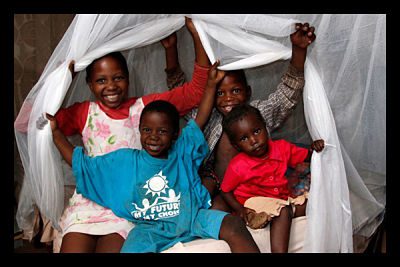
The Promoting Malaria Prevention and Treatment (ProMPT) Project in partnership with USAID and the Ghana Health Service has developed an innovative way to distribute mosquito nets in Ghana. The ProMPT project has delivered over 12 million mosquito nets to prevent the spread of malaria in Ghana. The four year project has given households training on how to use treated mosquito nets that are covered with insecticide to kills the mosquitoes. USAID was a major donor of the $20 million dollar project and support from the U.S. and Ghana governments was strong.

The Ghana Health Service has worked hard to educate citizens against malaria. The ProMPT project strengthened malaria prevention through door-to-door mosquito net distribution, increasing prevention efforts geared towards pregnant women, and improving malaria treatment in health care facilities. The project also utilized community volunteers to educate households on the proper way to hang a mosquito net.

USAID acknowledged the success of the project was only possible through the collaborative efforts of the USAID, the Ghana Health Service, and the government of Ghana. The holistic nature of the project and the inclusion of factors relating to prevention, education, and treatment led to a drastic reduction in malaria-caused deaths. Program officers encourage other organizations to adopt the collaborative model in other malaria prevention projects.

In Ghana, malaria is a major problem for the country’s overall health. Over 40% of outpatient illnesses and visits in health care facilities are contributed to malaria as well as a third of all admissions. The World Health Organization attributed around 14,000 annual childhood deaths in Ghana to malaria as well. The goal is to reduce the impact of malaria in Ghana by 75% by the year 2015.

The program worked to put at least one net in every dwelling place as well as educate health care workers on proper malaria management and prevention. Areas of focus were especially on women who are pregnant and health care facility management of malaria care. The program has so far trained 21,000 health care workers in over 2,000 health care facilities. The ProMPT project officially ended in March,but Ghana plans to continue the efforts began in the prevention of malaria.

– Amanda Kloeppel

Source: Science Codex
Photo: Ghana Health Nest

July 13, 2013
https://borgenproject.org/wp-content/uploads/borgen-project-logo.svg 0 0 Borgen Project https://borgenproject.org/wp-content/uploads/borgen-project-logo.svg Borgen Project2013-07-13 04:40:302020-05-14 11:05:41USAID Distributes 12 Mil Mosquito Nets in Ghana
Global Poverty, Malaria

Poverty in the Democratic Republic of the Congo

Poverty in the Democratic Republic of the Congo
A country two thirds the size of Europe, and rich in mineral and agricultural resources, the Democratic Republic of the Congo  is also the site of the “deadliest conflict since World War II,” which has killed more than 5.4 million people. The country is recovering from this civil war, but its infrastructure has been nearly destroyed. As a result, poverty in the Democratic Republic of the Congo is widespread and severe, and it requires urgent attention.


Breakdown of Poverty in the Democratic Republic of the Congo


Effects of the War
Today, the effects of the conflict in the DRC are extremely apparent. Life expectancy is 49 years compared to the global average of 70 years, and 168 children born out of every 1,000 die before reaching the age of five. In 2011, more than a quarter of the population was sickened by malaria. More than 2.3 million citizens remain displaced from their homes within the country, and thousands more have fled to neighboring countries for refuge from the ongoing violence.

Present Challenges
Though these statistics have improved slightly since the peak of the civil war in the mid-1990s, 71 percent of the DRC’s population continues to live below the poverty line. Experts say that the country’s scale is a primary factor causing many to die from “easily preventable conditions” such as malnutrition, malaria, and pneumonia. Humanitarian and aid organizations struggle to serve the DRC’s large population as “renewed rebel activities” in eastern provinces continue to displace large segments of the population.

Addressing Poverty
The World Bank reopened in the DRC in 2001 after operations were suspended for almost ten years because of political instability and corruption in the country. The Bank has committed $3.1 billion to the DRC, aiming to rebuild the country’s infrastructure, decrease corruption in public and private sectors, and rehabilitate the country’s health and education systems.

The United Nations has also been instrumental in the DRC’s recovery. The Security Council established MONUSCO in 1999, supplying peacekeeping troops to the region. In addition to the UN’s peacekeeping efforts, USAID provides emergency assistance to the displaced and has established long-term programs to address food security, democracy, education, the environment, and global health in the DRC.

Results
Since late 2010, USAID has given a comprehensive malaria prevention package in 70 health zones in the DRC, greatly reducing the incidence of malaria in the country. USAID also provides health services to pregnant women with HIV/AIDs, preventing them from passing the virus on to their children. The DRC happens to be one of the five countries in the world that accounts for half of all child deaths, but USAID recently provided health services to more than 12 million people who previously lacked access to healthcare.

The situation in the DRC remains one of the most urgent humanitarian crises in the world, but efforts to relieve the widespread poverty are proving successful. In order to maintain this trajectory, though, continued funding for USAID will be critical.

– Katie Bandera

Sources: BBC, Global Issues, USAID, WHO
Photo: BBC

July 10, 2013
https://borgenproject.org/wp-content/uploads/borgen-project-logo.svg 0 0 Borgen Project https://borgenproject.org/wp-content/uploads/borgen-project-logo.svg Borgen Project2013-07-10 04:00:282019-08-14 11:46:39Poverty in the Democratic Republic of the Congo
Women and Female Empowerment

Women, Pakistan, and Int. Trade

pakistan
The U.S. Agency for International Development operates a program in Pakistan focused on increasing the participation of women in international trade. The program recently celebrated its second crop of graduates.

According to the agency, the Women in Trade (WIT) program is part of USAID’s PakistanTrade Project, which represents a commitment to Pakistan to help boost economic growth, education and other areas to help ensure a future of stability and prosperity for the country. WIT is a mentorship and management training program that launched in 2011.

Through WIT women trainees (both graduates and post graduates) have access to three months of management training experience in the private sector with companies that are involved in importing and exporting goods to and from Pakistan. WIT gives the women trainees a monthly stipend for the training.

According to USAID research released in March 2011, women represented just 10 percent of the staff hired by private sector, international trade focused firms in Pakistan. Women’s participation rates in Pakistan’s formal economy are low in general. An estimated fewer than one third of the 31 million women in Pakistan who are of working age are considered economically active. And more than half of the women who are part of the workforce are either unpaid family helpers or low-skilled workers.

Through WIT trainee participants have worked with large international firms, including Target and Li $ Fung (a major apparel supplier). One of WIT’s goals is to help more women explore careers in international trade sourcing, marketing, product design, product development and supply chain management.

WIT launched as a one year program in 2011 with 17 graduates. For the second round of the program WIT placed 57 trainees, 48 of whom completed the full three months of their training by the end of 2012. Thirty-three percent of the WIT trainees in the 2012 cohort have also been fully employed as a result of their participation in the program.

– Liza Casabona

Source: USAID Business Recorder
Photo: Gender Concerns

July 4, 2013
https://borgenproject.org/wp-content/uploads/borgen-project-logo.svg 0 0 Borgen Project https://borgenproject.org/wp-content/uploads/borgen-project-logo.svg Borgen Project2013-07-04 15:00:162016-02-08 14:27:19Women, Pakistan, and Int. Trade
Refugees and Displaced Persons

Poverty in Djibouti

Poverty in Djibouti
Djibouti is a small country in the Horn of Africa. Surrounded by Ethiopia and Somalia, the country has a strategic location and fruitful fishing waters. However, regional instability has put pressure on Djibouti’s economy and resources, heightening poverty levels. Djibouti has taken on many refugees and immigrants from Ethiopia and Somalia, burdening its already weak economy.

The average unemployment rate in the country is around 45% and over half of the very poor in Djibouti have no employed members of their family. Poverty in Djibouti is also affected largely by poor education, health, and nutrition. Djibouti has a literacy rate of 57%, life expectancy at birth is 49 years, and 26% of children under five years old are chronically malnourished.

This data underscores the need to invest in human capital to alleviate poverty in Djibouti. Pro-poor education strategies need to be adopted with a particular focus on education for women and girls, who have a much higher illiteracy rate than men. Preventive health programs should also be enacted to develop human capital. Women often have too many children at too young of an age, and education could increase the ability of couples to space their children properly and promote family planning methods.

USAID has enacted several programs to address poverty in Djibouti. USAID works with Djibouti’s Ministry of Education to develop a teacher training plan and has trained over 1,200 teachers in the country. USAID has also, according to its website, supported parent-teacher associations, linked secondary schools with university mentors, and developed strategies to improve access to education for girls. USAID has also contributed to programs combating polio and tuberculosis, in addition to aiding food distribution to combat malnutrition. The U.S. is currently the largest contributor of humanitarian assistance to the Horn of Africa, where Djibouti is located.

The effort to combat poverty in Djibouti suffered hardship in 2011 when the eastern Horn of Africa was hit with its most severe drought in 60 years. The drought-affected more than 10 million people, inducing high child mortality rates and sharply increasing food prices in the region. Djibouti is still in the process of recovering from the crisis.

USAID’s website describes Djibouti as a “unique and strategic partner for the United States.” The U.S. maintains the military base Camp Lemonnier in the country which serves as a staging ground for U.S. counter-terrorism efforts in the Horn of Africa and the Arabian Peninsula.

Djibouti’s government is committed to peace and holds moderate views compared to some others in the region which includes the conflict-prone countries of Yemen, Somalia, Eritrea, and Ethiopia. Combating poverty in Djibouti is crucial to the stability of the region, and could lead to more prosperous economies on the Horn of Africa that contribute to the global economy.

– Martin Drake
Source: World Bank, Reuters, Washington Post
Photo: The Guardian
July 2, 2013
https://borgenproject.org/wp-content/uploads/borgen-project-logo.svg 0 0 Borgen Project https://borgenproject.org/wp-content/uploads/borgen-project-logo.svg Borgen Project2013-07-02 04:00:162024-06-04 02:43:54Poverty in Djibouti
Global Poverty

Poverty in Namibia

Poverty in Namibia

Located on the southernmost part of Africa’s western coast, Namibia is not recognized by most Americans.  Namibia invests heavily in its people’s education and health, possesses a free press, competitive business markets and one of the lowest rates of corruption in Africa.

However, it is marked by an extremely large economic divide among its citizenry.  Although it is technically a middle-income country, there is much poverty in Namibia as a result of income inequalities.  The UNDP rates the income disparity in Namibia as the highest in the world, at 70.7 on a scale of 0 to 100. The top 5 percent of Namibians control 70 percent of the country’s GDP, while the poorest half of the population controls only 3 percent of GDP.  Poverty is most prevalent in rural areas of the country and among women, as is often the case.  Women head around 40 percent of households in Namibia, and these households are the poorest in the country.  Half of the country’s population lives below the poverty line.

The government’s poor land redistribution contributes significantly to Namibian poverty.  During the era in which Namibia was ruled by the apartheid regime in South Africa, large white-owned commercial farms dominated agriculture with cattle production.  The Namibian government has now divided these farms up and given the portions to natives in Namibia, still committing them to cattle production.  Essentially, the government has reproduced the apartheid era farms, but in a weakened form, as they are smaller and no longer subsidized by the South African government.  Experts suggest that a shift towards tropical agriculture and crop cultivation rather than cattle production is the solution to these land distribution issues.

Namibia also faces a severe HIV/AIDS epidemic, in which 19.7 percent of the country is afflicted.  As a result, life expectancy in the country has declined from 61 to 49 years.  Promoting economic growth in the country is difficult due to an under-educated and low-skilled workforce.  The economy is subsisted largely on the export of primary resources for little profit.

USAID uses its “ABCDE’s of development” to combat poverty in Namibia:  AIDS and TB prevention, care, and treatment, basic education, community-based natural resource management, democracy and governance, employment creation/enterprise development.  Through PEPFAR, the US has given $42.8 million in funds for disease management and prevention.  USAID has also provided training to 4,000 teachers in Namibia in the hope of developing human capital to form a more skilled workforce.  USAID also promotes community-based democratic programs to help strengthen the country’s democracy and governance.

Namibia, rich in natural resources such as diamonds, uranium, lead, gold, copper, zinc, bountiful fisheries, natural gas, and some of the most spectacular and varied scenery and wildlife in the world, could greatly benefit the world’s economy. It also benefits from an extremely developed infrastructure and a politically stable government.  If the country can overcome its disease issues, poor land redistribution and income inequalities, it will be an asset to the global economy.

–  Martin Drake

Source: World Bank, USAID, IRIN News
Photo: Steps For Children

July 2, 2013
https://borgenproject.org/wp-content/uploads/borgen-project-logo.svg 0 0 Borgen Project https://borgenproject.org/wp-content/uploads/borgen-project-logo.svg Borgen Project2013-07-02 04:00:012020-07-12 20:13:39Poverty in Namibia
Developing Countries, Development, Extreme Poverty, Global Poverty

Camel Milk: The Future of Nutrition in Ethiopia?

Camel_milk_USAID

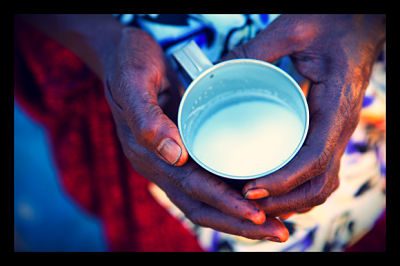
USAID is partnering with Somalia groups to form the Camel Milk Value Chain Development project. This project is part of the U.S. President’s Feed the Future Initiative in Ethiopia. Feed the Future is a project started by the Obama Administration that focuses on helping countries become self-sustainable through agriculture reforms and improvements. The goal of the Camel Milk Development project is to improve the production of camel milk and to make it more marketable and competitive in Ethiopian communities.

The camel milk initiative is projected to benefit 50,000 “targeted households” in the country. Abdifatah Mohamud Hassan, Somali Regional State Vice President, said, “The Camel Milk Value Chain Development project is an innovative project that addresses cultural wealth of the pastoralists and contributes to the Ethiopia Agricultural Growth and Transformation Plan.”

Once the project is underway, local farmers will be educated on camel productivity, which includes breeding, better feed, and improvements to the camels’ health. The last aspect of this strategy to increase productivity will be a main focus as USAID trains more animal health care workers. Another goal of the organization is improved camel milk quality. This will happen through extensive trainings that teach workers about proper sanitation.

Finally, USAID hopes to create a better market for camel milk by connecting local milk markets with larger milk networks. This will generate a more stable market for farmers, negating some of the uncertainty and stress that goes along with the agriculture sector. Along with a stronger market, USAID will improve hygiene, food safety standards, and infrastructure.

Given Somalia’s unpredictable weather patterns that often include drought, camels could prove to be a vital source of nutrients for a majority of the country. The USAID Ethiopia Mission Director, Dennis Weller, has even called camels the “animal of the future.” As camel milk becomes more common, those living in Somalia will experience better food security as well as economic independence.

– Mary Penn

Source: USAID
Photo: Mercy Corps

July 1, 2013
https://borgenproject.org/wp-content/uploads/borgen-project-logo.svg 0 0 Borgen Project https://borgenproject.org/wp-content/uploads/borgen-project-logo.svg Borgen Project2013-07-01 10:25:082024-05-24 23:52:05Camel Milk: The Future of Nutrition in Ethiopia?
Technology

USAID Gives Contracts to Louis-Berger Group

USAID Gives Contracts to Louis-Berger Group
The United States Foreign Aid budget recently contracted several development projects to the Louis-Berger Group, Inc (LBG).  The contracts, which will continue for the next three to five years, will provide logistical support, aid in information technology and clean energy, and help with legal reforms in conflict-prone areas in the Philippines.

Providing logistical and especially legal support is important, especially for the autonomous region in the Muslim Mindanao. LBG previously did work in the area and saw growth in economic activity, business development, and better governance practices as a result.

The Louis-Berger group, founded in 1953, has worked in over 70 developing countries since its beginning in 1959. It is a privately-owned company that specializes in work in the following areas: buildings and facilities, development economics, energy, environment, public administration, reconstruction and recovery, transportation, and water.

Afghanistan is one of the areas in which this company is heavily involved. In the Helmand province, Louis-Berger helped rehabilitate two turbines and generators at the Kajakai power plant.  With LBG’s help, the all-Afghani run plant now supplies sufficient power for both Helmand and Kandahar provinces.

Louis-Berger has over 30 U.S. Federal agencies as clients, including the Departments of Defense, Transportation, and Energy. It not only works inside the U.S., but also has client relationships with other countries in the Middle East, Africa, and Asia. It purports its goal is to ‘work its way out of a job’ by emphasizing local development and sustainability. This, hopefully, will be the case for the Philippines in these new contracts funded by USAID.

– Aysha Rasool
Feature Writer

Source: PR Web

July 1, 2013
https://borgenproject.org/wp-content/uploads/borgen-project-logo.svg 0 0 Borgen Project https://borgenproject.org/wp-content/uploads/borgen-project-logo.svg Borgen Project2013-07-01 05:43:422024-05-24 23:56:51USAID Gives Contracts to Louis-Berger Group
Development, USAID

What is International Relief and Development?

What is International Relief and Development?
While some humanitarian organizations will avoid areas of conflict, members of International Relief and Development (IRD) seek it. IRD, a non-profit relief organization founded in 1998, believes that proper governance is necessary for all other sectors’ infrastructure to develop. Since 2001, it has initiated and managed over $1 billion dollars of infrastructure projects. The numbers, however, are less important when we want to see results.

The United States Agency for International Development (USAID) has been a partner and donor of IRD since its beginning. It is the largest donor to IRD and therefore, we can expect USAID’s vision of good governance and universal human rights to filter through in its work. IRD also partners with the US State Department, United Nations and World Bank.

International Relief and Development has over 2,900 staff worldwide. IRD prides itself on the fact that over 90 percent of these staff members are hired locally. There are currently 122 projects worldwide, the majority taking place in the Middle East.

Infrastructure in West Bank

In the West Bank, IRD was awarded the 2008 INP IQC ―Infrastructure Needs Program Indefinite Quantity Contract. This USAID-led 5 year-long contract was awarded to only four organizations; IRD was the only non-profit to receive the contract. The infrastructure building of roads, schools, and water development systems were the main focus of this 300 million dollar project. West Bank, located in the Palestinian territory near the state of Israel, is one the most desperate regions in the world that seeks independence and peace with its neighbors.

Iraqi Water Supply

The challenge of obtaining potable water is found all over the world. In Iraq, IRD addressed the needs of 15,000 residents of a neighborhood in Baghdad. The Iraqi Community Action Program was granted the funds it requested. The funds, which came from USAID, helped a water production unit run at its full capacity, fully supplying the neighborhood with ample water. Instead of functioning on its previous level of 13,000 gallons per hour, it ran at 50,000 gallons per hour.

Vocational Training in Pakistan

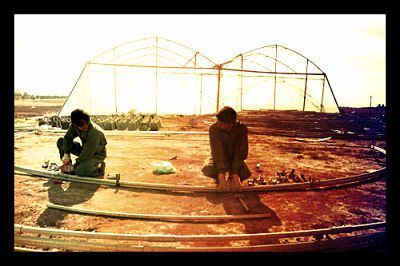
To understand what the solutions to poverty are, we have to understand that they are many. This includes vocational training to give people the skills they need in order to support their families. Some families lose a breadwinner in the family due to war or war-related violence. In Charsadda, Pakistan, IRD, in conjunction with USAID, implemented a vocational training program in tailoring, electrical work, auto mechanics, computing, and others. In addition to receiving the training, the 116 Pakistanis that participated in the program also received small grants to start their own business.

These projects and many more are just prime examples of the work USAID funds through reputable organizations such as IRD. With its professionalism, good ethics, and ability to work in all regions in the world, International Relief and Development live up to its name.

– Aysha Rasool
Feature Writer

Source: IRD Success Stories, USAID, IRD
Photo: International Relief and Development

July 1, 2013
https://borgenproject.org/wp-content/uploads/borgen-project-logo.svg 0 0 Borgen Project https://borgenproject.org/wp-content/uploads/borgen-project-logo.svg Borgen Project2013-07-01 05:00:462024-06-05 01:53:32What is International Relief and Development?
Global Poverty

Teachers Education Program in Pakistan

Teachers Education Program in Pakistan

Armed with nuclear technology and on the border of Afghanistan, Pakistan has become an important country in the War on Terror. While the primary method for addressing terrorism has been militaristic and reactive, the United States Agency for International Development (USAID) has created a program to strengthen Pakistan’s educational system and thus help prevent the spread of terrorism – the Teachers Education Program.

Although it possesses nuclear technology and the world’s 6th largest military, Pakistan is still a developing country with roughly 60% of the population living close to or under the poverty line. Communities that struggle to meet basic needs are more susceptible to terrorist influences. The first step to converting someone into a terrorist is to meet the basic needs of a community that otherwise doesn’t have the resources to meet those needs.

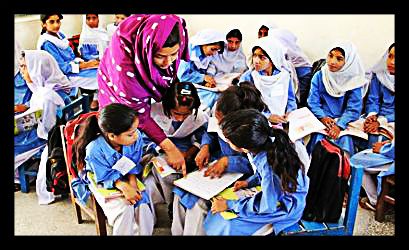
The Teachers Education Program has recently awarded 200 scholarships of 20,000 Pakistani Rupees to students pursuing an associate’s or bachelor’s degree in education. This type of education reinforces the transition the Pakistani educational system is undergoing.

In Pakistan, the educational system is modernizing by moving from a base in rote memorization (which is founded on repetition) to a system based on critical thinking. With an updated and fortified educational system, Pakistani students will be better prepared to contribute to the economic development of their communities and thus limit the persuasive ability of terrorist cells.

Investing in the economic development of impoverished communities through education is an excellent way to prevent the spread of terrorism and strengthen the global economy.

– Pete Grapentien

Source The Express Tribune, University of Massachusetts
Photo: Facebook

June 30, 2013
https://borgenproject.org/wp-content/uploads/borgen-project-logo.svg 0 0 Borgen Project https://borgenproject.org/wp-content/uploads/borgen-project-logo.svg Borgen Project2013-06-30 11:08:172020-07-08 19:17:35Teachers Education Program in Pakistan
Page 87 of 92«‹8586878889›»

Get Smarter

  • Global Poverty 101
  • Global Poverty… The Good News
  • Global Poverty & U.S. Jobs
  • Global Poverty and National Security
  • Innovative Solutions to Poverty
  • Global Poverty & Aid FAQ’s
Search Search

Take Action

  • Call Congress
  • Email Congress
  • Donate
  • 30 Ways to Help
  • Volunteer Ops
  • Internships
  • Courses & Certificates
  • The Podcast
Borgen Project

“The Borgen Project is an incredible nonprofit organization that is addressing poverty and hunger and working towards ending them.”

-The Huffington Post

Inside The Borgen Project

  • Contact
  • About
  • Financials
  • President
  • Board of Directors
  • Board of Advisors

International Links

  • UK Email Parliament
  • UK Donate
  • Canada Email Parliament

Get Smarter

  • Global Poverty 101
  • Global Poverty… The Good News
  • Global Poverty & U.S. Jobs
  • Global Poverty and National Security
  • Innovative Solutions to Poverty
  • Global Poverty & Aid FAQ’s

Ways to Help

  • Call Congress
  • Email Congress
  • Donate
  • 30 Ways to Help
  • Volunteer Ops
  • Internships
  • Courses & Certificates
  • The Podcast
Scroll to top Scroll to top Scroll to top