• Link to X
  • Link to Facebook
  • Link to Instagram
  • Link to TikTok
  • Link to Youtube
  • About
    • About Us
      • President
      • Board of Directors
      • Board of Advisors
      • Financials
      • Our Methodology
      • Success Tracker
      • Contact
  • Act Now
    • 30 Ways to Help
      • Email Congress
      • Call Congress
      • Volunteer
      • Courses & Certificates
      • Be a Donor
    • Internships
      • In-Office Internships
      • Remote Internships
    • Legislation
      • Politics 101
  • The Blog
  • The Podcast
  • Magazine
  • Donate
  • Click to open the search input field Click to open the search input field Search
  • Menu Menu

Tag Archive for: USAID

Information and news about mobile technology

Posts

Global Poverty, Natural Disaster, USAID

USAID Programs in Thailand and Myanmar After Earthquake

USAID Programs in ThailandDisplaced persons seeking refuge in Thailand following a 7.7 magnitude earthquake in Myanmar in March are amongst those facing dwindling American assistance after the United States federal government initiated drastic reductions to the United States Agency for International Development (USAID) programs in Thailand, Myanmar and other countries in need of humanitarian aid. While non-government organizations (NGOs) are working diligently to provide humanitarian assistance to those affected by the second-largest recorded earthquake in Southeast Asia and its hundreds of aftershocks, USAID’s absence is noticeable in the region. 

USAID Cuts Coincide With Devastation in Asia

Myanmar state media reported that, as of April 19, the earthquake killed more than 3,700 people and injured 5,100 in the country, with 114 residents still missing. Thai newspaper Khaosod reported that, as of April 29, 66 people had died, 28 people were missing and nine people were injured.

Refugees from the ongoing civil war in Myanmar have relied on humanitarian assistance and medical care in neighboring Thailand for decades. USAID programs in Thailand bolstered the assistance Thai hospitals could provide those in need. Before the earthquake in Myanmar occurred, the Border Consortium aid group reported that many Thai hospitals helping around 100,000 refugees from Myanmar had to close following cuts to USAID in late February.

On March 28, the region experienced “a level of devastation that has not been seen in over a century in Asia,” according to Marie Manrique, the acting head of the International Federation of Red Cross and Red Crescent Societies in Myanmar. The same day, The U.S. State Department formally notified Congress that it was moving to dissolve USAID.

The Results of USAID Cuts

The earthquake’s epicenter was in Myanmar’s second-largest city, Mandalay; however, 600 miles away, in the Thai capital city of Bangkok, residents felt widespread shaking and saw significant damage to infrastructure, including a skyscraper that collapsed when it was under construction.

While USAID cuts have backtracked in recent weeks due to pushback from Americans and the country’s federal agencies, aid workers report that, with thousands of residents remaining homeless in Mandalay after the destruction, U.S. assistance is lacking.

“The United States only sent a paltry amount of assistance…it sent only three workers, which then, subsequently, were fired,” Francisco Bencosome, a former USAID worker, said. Some workers were notified of their termination while in the earthquake’s disaster zone.

The ongoing poverty crisis in Myanmar, escalating in recent years due to ongoing civil conflict, saw almost doubled rates from 24.8% in 2017 to 49.7% in 2023. In the beginning of 2025, around 19.9 million people, or about 35% of the country’s population, were in dire need of humanitarian assistance; this included 6.4 million children.

The destruction due to the earthquake in Myanmar has exacerbated existing pervasive poverty conditions, resulting in 4.3 million people lacking basic needs such as shelter, nutrition and clean water.

Solutions

After the reduction of USAID programs in Thailand and Myanmar, NGOs have stepped in to address the earthquake in Myanmar. Here are some examples of NGO efforts in Thailand and Myanmar:

  • The Myanmar Red Cross Society: The Myanmar Red Cross Society and its partners successfully delivered eight charter flights and six cargo shipments of aid into Myanmar within the first week of the earthquake’s aftermath, according to the organization. The IFRC is rapidly mobilizing, adapting and delivering critical aid to the hardest-hit areas. The Myanmar Red Cross Society initiated its Emergency Operations Centers after the earthquake. Additionally, it sent out volunteers to search for and rescue those the earthquake affected, while also sending out teams to connect hospitals and clinics with emergency blood donations.
  • UNICEF: UNICEF is on the ground in Myanmar, working with other aid organizations to meet children’s needs. According to UNICEF, the organization and its partners have delivered emergency water, sanitation and hygiene kits, medical kits and nutrition supplies; UNICEF is also delivering essential health and nutrition services through temporary emergency health facilities and mobile clinics.
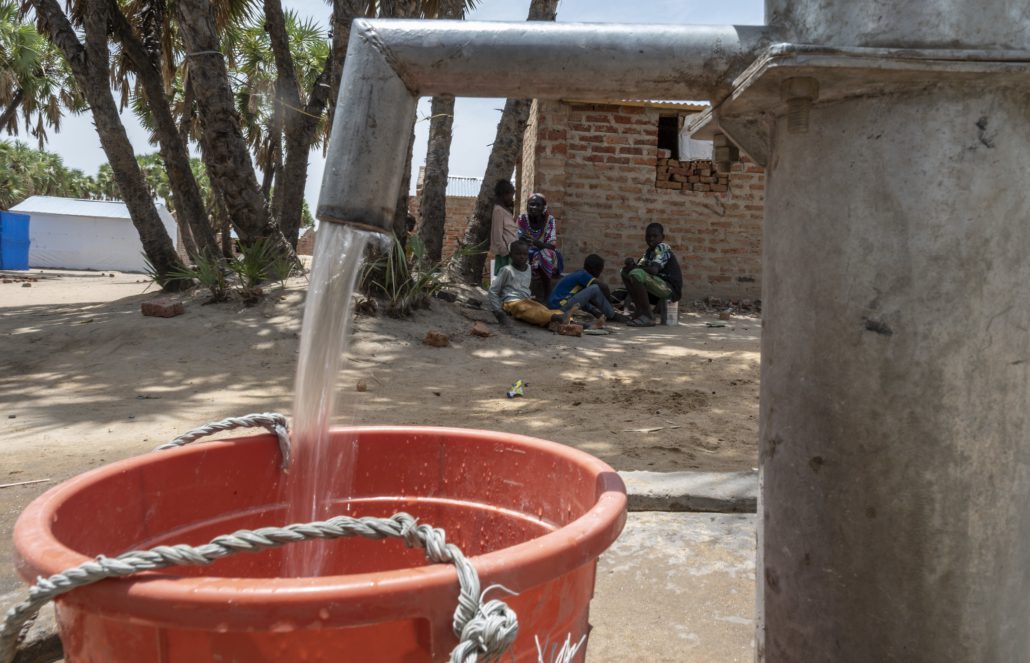
  • Doctors Without Borders: Doctors Without Borders deployed medical, mental health, logistics and water and sanitation staff to areas that experienced the earthquake. The organization is working to provide support to hospitals with special focus on sanitation, water, infection control and waste management. It also installed a water filtration system and a water tank at the Mandalay General Hospital.
  • Save the Children: Save the Children has launched a “Children’s Emergency Fund” to support adolescents in Myanmar in need of shelter and other basic needs in the aftermath of the earthquake. Aid workers are responding to the urgent, lifesaving needs of children and their families by providing water, food and health care services.
  • United Nations Humanitarian Crisis Relief (UNHCR): The UNHCR has reported that its team is on the ground responding with other UN agencies by providing “medical care, shelter, safe water, hygiene kits and food,” despite dealing with extremely damaged infrastructure and a lack of telecommunications. As of April 23, UNHCR reported that the organization provided critical aid – including core relief items (CRIs) and emergency shelter materials – to 48,354 people who experienced earthquake in Myanmar and Thailand. CRIs include mattresses, blankets, hygiene kits, solar lamps and cooking essentials kits. On April 15, the city of Yangon received more than 40,000 kg of supplies to help 16,000 people from UNHCR, and there was a promise of more supplies in the following weeks.

Looking Ahead

Though USAID downsizes have immobilized necessary American federal assistance in Myanmar and Thailand following the historic earthquake in Myanmar, other aid organizations are using donor funding to make effective strides in alleviating poverty conditions and the ongoing refugee crisis.

– Erin Hellhake

Erin is based in Old Bridge, NJ, USA and focuses on Global Health and Politics for The Borgen Project.

Photo: Unsplash
May 26, 2025
https://borgenproject.org/wp-content/uploads/borgen-project-logo.svg 0 0 Jennifer Philipp https://borgenproject.org/wp-content/uploads/borgen-project-logo.svg Jennifer Philipp2025-05-26 01:30:412025-07-03 06:12:48USAID Programs in Thailand and Myanmar After Earthquake
Aid, Global Poverty, Nonprofit Organizations and NGOs

Local Solutions Drive Madagascar’s Poverty Solutions

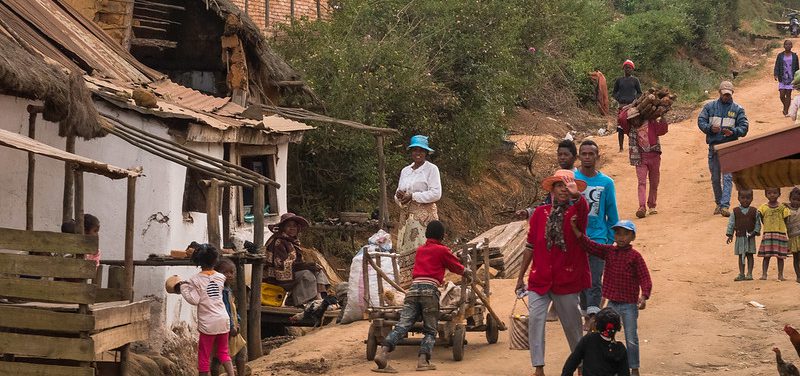
Madagascar's poverty solutionsMadagascar, the world’s fifth-largest island, is renowned for its unique biodiversity and natural resources. Yet, the country faces persistent poverty, with 75% of its population living below the national poverty line as of 2022. Rural areas are particularly affected, with poverty rates reaching 79.9%. Political instability, limited infrastructure and changing weather patterns destabilize the region and exacerbate the situation.

Battling Hunger and Malnutrition

Since 2019, the southern regions of Madagascar have been grappling with severe droughts, leading to famine-like conditions. Approximately 1.3 million people are food insecure, with malnutrition rates among children under 5 doubling in recent years. In response, the World Food Programme (WFP) and UNICEF have collaborated to deliver life-saving nutrition supplies, such as Plumpy’Sup, to malnourished children in remote areas. Innovative methods, including Unmanned Aircraft Systems, have been employed to reach isolated communities.  

Madagascar’s reliance on rain-fed agriculture makes it vulnerable to the harsh climate. Prolonged droughts have devastated crops, leading to food shortages and economic hardship. To combat this, Madagascar’s poverty solutions include programs promoting climate-smart agriculture. These initiatives teach farmers sustainable practices, such as using drought-resistant crops and mulching, to improve food security and protect the environment. 

International Support and Development Projects

The U.S. Agency for International Development (USAID) committed $22.1 million to support Madagascar’s southern regions through projects like Vikina and Harea. These initiatives aim to build resilience, improve food security and promote sustainable farming practices. Additionally, USAID’s Mikajy project focuses on linking biodiversity conservation with sustainable livelihoods. By supporting community-based enterprises and introducing conservation farming, the project helps communities achieve economic growth while preserving natural resources.

In 2023, the World Bank approved a $250 million credit to expand access to social protection for extremely poor households across all 23 regions of Madagascar. The initiative aims to strengthen the national safety net system and improve household resilience to economic and climate-related shocks. In the same year, the World Bank committed an additional $400 million to the Digital and Energy Connectivity for Inclusion in Madagascar Project (DECIM). This program aims to double the country’s energy access from 33.7% to 67% and expand internet connectivity by reaching 3.4 million new users. The investment supports long-term development by promoting digital inclusion, clean energy and infrastructure growth.

Community-Driven Initiatives

Local communities are also taking action in Madagascar’s poverty solutions by preserving their lush forests. Reforestation projects, such as those by Eden Reforestation Projects, aim to restore mangroves and upland forests while providing both environmental benefits and employment opportunities.  In the Makay region, eco-tourism initiatives promote low-impact tourism, generating income for local communities while funding conservation efforts. Microfinance programs, like those supported by Money for Madagascar, empower individuals to start small businesses, fostering economic independence and community development. 

Looking Ahead

By focusing on sustainable development, climate resilience and economic empowerment, Madagascar continues to build a path toward resilience and improved well-being for its people.

– Giovanni Garcia

Giovanni is based in Long Beach, CA, USA and focuses on Good News and Politics for The Borgen Project.

Photo: Flickr

May 21, 2025
https://borgenproject.org/wp-content/uploads/borgen-project-logo.svg 0 0 Precious Sheidu https://borgenproject.org/wp-content/uploads/borgen-project-logo.svg Precious Sheidu2025-05-21 01:30:552025-05-20 01:30:50Local Solutions Drive Madagascar’s Poverty Solutions
Global Poverty, Homelessness, Natural Disaster

Addressing Homelessness in Comoros

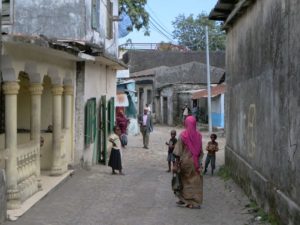
Homelessness in ComorosThe Comoros is a developing country located off the coast of East Africa, consisting of three islands, including Grande Comore, Anjouan and Moheli. Poverty and homelessness have been a large issue for the country for over 10 years, but the country truly focused on reforming development after the 2019 cyclone and the COVID-19 pandemic, causing a growth in poverty rates. Here is more information about homelessness in Comoros. 

The Issue

Homelessness in Comoros tends to stem from a lack of opportunities, which results in an unequal distribution of consumption expenditures. Within the years 2004-2014, supplies and housing conditions saw improvements, with the percentage of people going through hardships dropping from 85% to 75%, but the number of people lacking access to supplies remained high. As educational and job developments began to increase, the Comoros’ homeless faced major setbacks due to a natural disaster and health crisis.

In April 2019, Tropical Cyclone Kenneth hit the Comoros, causing flood damage, contaminated water tanks, loss of power for days and damaged roads limiting travel access. The cyclone resulted in the loss of more than half of the Comoros’ main crop food source, affecting the food supply and livelihoods. The severe damage to homes and land resulted in an estimated 20,000 people experiencing displacement.

Despite the immediate response from supporting organizations, flooded roads and a loss of power supply caused difficulty in moving supplies. The capacity of the Comoros’ Government to respond to a crisis like this is limited, putting a strain on the country as a whole.

Cyclone Kenneth’s impact already affected the homeless, and the people faced further hardship with the arrival of COVID-19, which caused a restraint in job opportunities and increased health issues as the country does not have the services to respond to a national pandemic.

Developments 

Despite the increased hardships, the Comoros’ Government sought immediate support from “UN agencies, the Red Crescent, and local NGOs” to respond to Cyclone Kenneth’s damages. These organizations assisted with food security, shelter, health conditions and education. All schools and government facilities remained closed, so UNICEF provided children with alternative learning opportunities to prevent disruptions in their education. Individuals and families who experienced displacement received nutritional and health supplies along with shelters for protection.

By 2023, the economy had grown, which benefited homelessness in the Comoros, as those individuals and many more depend on agriculture. There was an increase in agricultural prices due to agreeable climate conditions, leading to a decline in inflation, which largely assisted the economy. The inflation percentage in the year 2022 sat at 12.4% and saw a significant decline to 9.2% by 2023.

Although COVID-19 and the cyclone slowed down economic recovery, projects including the El Maarouf hospital, the Galawa hotel and the repairs of roads are in the works. In 2023, an energy law was put in place that “promotes the production of electricity from renewable sources.” As the poverty rate remains at 38.2%, it will likely reduce to 36.2% by 2026 with an expanding and further recovered economy.

US Assistance

The U.S. may not have an embassy located in the Comoros, but the U.S. Ambassador in Madagascar is accredited to the Comoros. The U.S. and the Comoros have had an established diplomatic relationship since 1977, occurring only two years after the Comoros gained independence from France in 1975.

During the 2024 celebration of the long lasting, expanding relationship between the U.S. and the Comoros, the U.S. Ambassador to Madagascar announced USAID programming funds that will go towards “renewable energy, food security and workforce development.” The USAID program will receive $5 million along with $1 million to fund education and better the governments financial needs.

Looking Ahead

The country’s economy is expanding and putting every effort into recovering, which has provided them with critical improvements. Slowly but surely, the homelessness in Comoros is gaining the needed attention to live more safely and healthily.

– Sarina Francis

Sarina is based in Tallahassee, FL, USA and focuses on Global Health for The Borgen Project.

Photo: Flickr

May 14, 2025
https://borgenproject.org/wp-content/uploads/borgen-project-logo.svg 0 0 Jennifer Philipp https://borgenproject.org/wp-content/uploads/borgen-project-logo.svg Jennifer Philipp2025-05-14 01:30:502025-05-14 00:57:07Addressing Homelessness in Comoros
Aid, Development, Global Poverty

Nepal’s Poverty Reduction Through Local Solutions

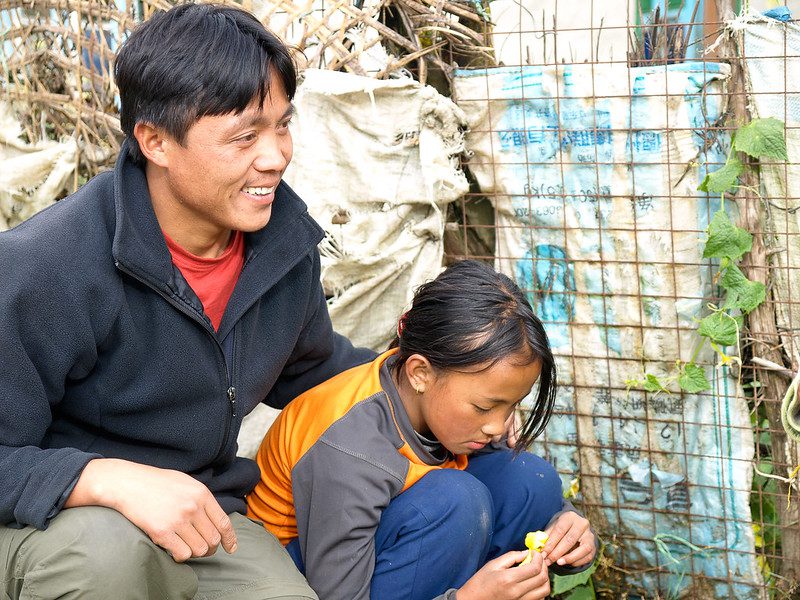
Nepal's poverty reductionNepal, a landlocked Himalayan nation, has made significant strides in poverty reduction over recent decades; however, significant challenges persist, particularly in rural and underdeveloped regions. According to the Fourth Nepal Living Standards Survey (NLSS) 2022–23, the national poverty rate stands at 20.27%. Rural areas are disproportionately affected, with a poverty rate of 24.66%, compared to 18.34% in urban regions. Contributing factors include limited access to essential services such as education, health care and clean drinking water. Youth unemployment remains a pressing issue, with more than 19% of young people unemployed, a figure significantly higher than the national average. This has led to increased migration, both internally to urban centers and externally abroad, as youths seek better employment opportunities.

Government Initiatives

The Nepalese government has implemented several programs aimed at poverty alleviation. The 15th Periodic Plan (2019–2024), developed by the National Planning Commission, focuses on achieving sustainable development goals and transitioning Nepal to a middle-income country. Key objectives include economic diversification, infrastructure development and social inclusion. Another significant initiative is the Prime Minister Employment Program (PMEP), which seeks to provide short-term employment opportunities to unemployed individuals, particularly in rural areas. The program aims to enhance skills and increase income levels among marginalized populations.

International Aid and Partnerships

International organizations have played a crucial role in supporting Nepal’s poverty reduction efforts. USAID has been instrumental in sectors such as education, agriculture and health through financial aid. However, recent budget cuts have led to the suspension of several projects, raising concerns about the continuity of essential services.

The World Bank’s Rural Access Improvement and Decentralization Project has improved rural infrastructure, facilitating better access to markets and services. Similarly, the United Nations Development Programme (UNDP) has supported climate resilience and local governance initiatives, including the implementation of Local Adaptation Plans of Action (LAPAs) that empower communities to address climate change impacts.

Community-Based Efforts

Grassroots organizations have been vital in addressing poverty at the local level. READ Nepal, part of the READ Global network, organizes Community Library and Resource Centers that offer educational resources, vocational training and women’s empowerment programs. These centers have reached millions in rural communities, fostering literacy and economic development while reducing income inequality. The Federation of Community Forestry Users, Nepal (FECOFUN) empowers local communities to manage forest resources sustainably. By providing employment opportunities and generating income from selling forest products, FECOFUN promotes environmental stewardship and economic development.

The Role of Remittances

Remittances from Nepalese working abroad account for a significant portion of the country’s GDP. In 2023, remittances totaled more than $11 billion, accounting for more than 25% of the GDP. These funds have been instrumental in reducing poverty, improving household incomes and contributing to economic stability.

Moving Forward

Nepal’s comprehensive approach to poverty reduction—combining government policies, international aid and community initiatives—demonstrates the effectiveness of collaborative efforts in addressing economic challenges. Continued support and investment in these areas are essential for sustaining progress and achieving long-term development goals.

– Giovanni Garcia

Giovanni is based in Long Beach, CA, USA and focuses on Good News and Politics for The Borgen Project.

Photo: Flickr

May 12, 2025
https://borgenproject.org/wp-content/uploads/borgen-project-logo.svg 0 0 Precious Sheidu https://borgenproject.org/wp-content/uploads/borgen-project-logo.svg Precious Sheidu2025-05-12 01:30:272025-05-11 12:38:15Nepal’s Poverty Reduction Through Local Solutions
Global Health, Global Poverty, Women & Children

USAID cuts deprioritizes Women’s Health in Afghanistan

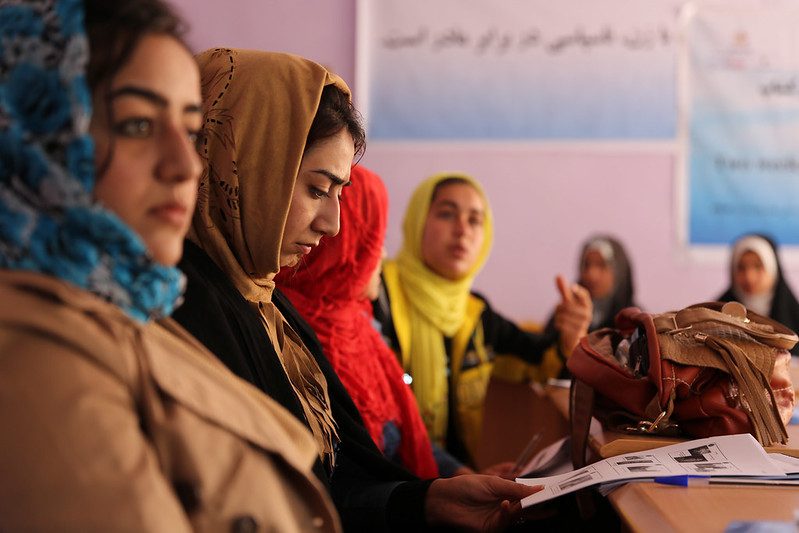
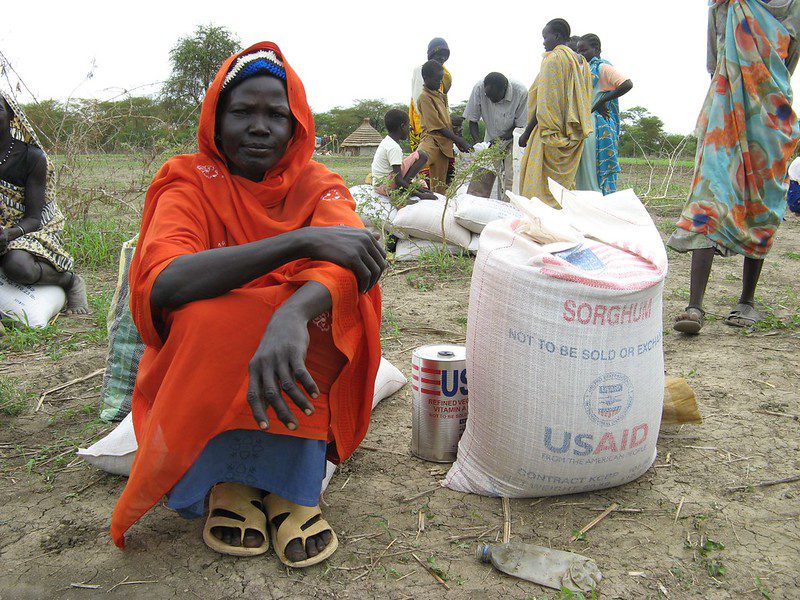
Women’s Health in Afghanistan The Trump Administration’s USAID cuts have affected many in Afghanistan, severely fracturing their already vulnerable health system. The U.S. previously provided more than 40% of foreign aid to Afghanistan, one of the poorest nations in the world, with a population of roughly 40 million. The World Health Organization (WHO) claims that more than 200 clinics have been closed, deprioritizing women’s health in Afghanistan.
Clinics Closing

Midwives in Afghanistan claim that mother and infant deaths have increased since the health clinics in many remote villages have been permanently closed. Women have not been able to reach the leading hospitals in time to receive proper care from a midwife. Many European nations have also revoked their foreign aid, leaving Afghanistan in a grueling position. The WHO believes 200 more facilities will be permanently closed by June 2025, NPR reports. These foreign aid cuts affect the most vulnerable patients in this developing nation: women, children and low-income populations. There is no direct data on complications and deaths due to the 206 clinics that closed as of March 2025. Midwives from village to village are spreading awareness to each other about pregnancy and childbirth deaths. USAID cuts are deeply deprioritizing women’s health in Afghanistan.

Midwives Testimony

In the western provinces of Herat, a midwife, Faezeh, experienced her clinic closing due to aid cuts. Previously, the clinic had been active at all hours. Many health clinics in Afghanistan not only assist with maternal and newborn care but also provide for the most vulnerable patients, including malnourished children and the elderly, NPR reports. The clinics offer vaccination and nutrition. The clinic in Herat was not reopened despite the older generation’s efforts to negotiate with the public health officer. There is no donor funding available to establish a reopening. Faezeh believes that if the clinic had not closed, the women who recently experienced maternal and infant death would have been able to make it, according to NPR. Clinics that remain open are distantly spaced out, making it virtually inaccessible for Afghans to receive care.

Karima, a maternal care doctor at a regional hospital in Afghanistan, believes that maternal and infant death rates are increasing due to the cuts in prenatal and postpartum services, previously provided by foreign NGOs. The NGO cuts only further deprioritizes women’s health in Afghanistan. A woman in a rural area of Herat lost her baby due to a condition known as meconium aspiration syndrome. A condition in which the baby has been in the womb for too long. This condition only occurs in 5% to 10% of births, NPR reports. It is treatable, but not having professional care in her community prevented this mother from having a life with her child. Women already have strict travel regulations imposed on them by the Taliban. The closing of the clinics is imposing a higher risk on women who do seek to travel to a further village to receive maternal care.

Women for Afghan Women

Foreign aid cuts have affected many nations in the developing world. Women for Afghan Women is partnering with organizations in Afghanistan to expand its help. Like many organizations trying to establish aid and funding for Afghanistan, they have been limited in their pursuits due to government control of the nation. Afghan midwives are the hope for maternal care. Private funding is being sought, but grassroots support is limited. International financing is persistently in conversation in U.S. government relations settings. Support from congressional leaders for the International Affairs budget could bring resolution for the deprioritization of women’s health in Afghanistan and developing nations across the world.

– Mackenzie Inman

Mackenzie is based in Washington DC, US and focuses on Global Health for The Borgen Project.

Photo: Flickr

April 17, 2025
https://borgenproject.org/wp-content/uploads/borgen-project-logo.svg 0 0 Naida Jahic https://borgenproject.org/wp-content/uploads/borgen-project-logo.svg Naida Jahic2025-04-17 01:30:552025-04-17 02:14:36USAID cuts deprioritizes Women’s Health in Afghanistan
Aid, Global Poverty, USAID

Stepping Up as Global Funding Declines: NGOs Replacing U.S. Aid

NGOs Replacing U.S. AidSince January 2025, significant shifts in U.S. foreign aid policy have left a substantial void in global development funding. The Trump administration’s decision to freeze the USAID funding has disrupted health and humanitarian programs worldwide and damaged its credibility in previous commitments to public health and humanitarian efforts. This abrupt halt has suspended vital initiatives, forcing many organizations to shut down projects, lay off staff and withdraw from communities—further intensifying the challenges that NGOs replacing U.S. aid in affected regions face

The Immediate Impact of Aid Cuts

The immediate impact of USAID cuts has been severe and far-reaching, affecting millions of people worldwide. The U.S. has historically been a driving force in international development assistance, but the recent cuts have led to the collapse of USAID-backed programs, creating a funding void that private donors struggle to fill.

Global health programs like the International Rescue Committee (IRC), which works to prevent and treat infectious diseases, and the Joint United Nations Programme on HIV/AIDS (UNAIDS) are among the hardest hit. With fewer resources, NGOs replacing U.S. aid face an uphill battle in controlling outbreaks, leaving the most vulnerable populations at higher risk.

To put the impact into numbers, “about 80% of the 1,460 community kitchens across Sudan shut down when USAID paused all funding,” according to Hajooj Kuka, spokesperson for the Emergency Response Rooms (ERRs) in Khartoum state, as reported by Al Jazeera, an independent news channel in the Arab world.

In contrast, advocacy groups continue to push forward for restored funding, emphasizing that foreign aid is not just a moral duty but a strategic investment in global stability.

NGOs’ Strategic Responses and Challenges

As NGOs replacing U.S. aid navigate these challenges, they have intensified efforts to influence policy changes and secure alternative resources. One of their key strategies is diversification, with public-private partnerships emerging as a major source of funding. This advocacy is essential to keeping global development priorities on the international agenda.

To cope with funding shortfalls, many NGOs are implementing temporary measures such as tapping into their financial reserves and unrestricted funds to sustain essential operations. They are also renegotiating agreements with other donors and seeking waivers to maintain critical services. Additionally, some staff members are working voluntarily to keep essential programs running. While these efforts demonstrate the dedication of those in the sector, they also underscore the urgent need for sustainable funding solutions.

The Future of NGOs in a Changing Aid Scene

With persistent global challenges such as changing weather patterns, rising inequality and ongoing conflicts, the need for resilience and adaptability among NGOs replacing U.S. aid is more critical than ever. These organizations are actively seeking diverse funding alternatives, forging strategic partnerships and embracing technology to sustain their operations. The ability of NGOs to replace U.S. aid to navigate these changes could be crucial in shaping the future of international aid and development.

– Rhasna Albuquerque

Rhasna is based in Fortaleza, Brazil and focuses on Good News and Celebs for The Borgen Project.

Photo: Flickr

April 10, 2025
https://borgenproject.org/wp-content/uploads/borgen-project-logo.svg 0 0 Naida Jahic https://borgenproject.org/wp-content/uploads/borgen-project-logo.svg Naida Jahic2025-04-10 07:30:342025-04-10 00:26:29Stepping Up as Global Funding Declines: NGOs Replacing U.S. Aid
Global Poverty, Humanitarian Aid, Migration

USAID Programs in Ecuador

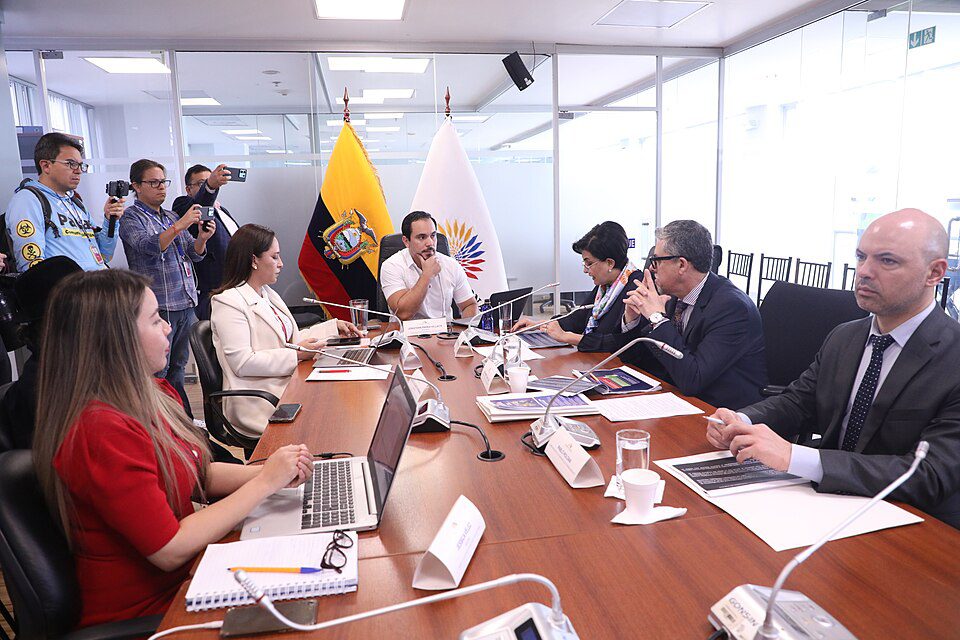
USAID Programs in EcuadorEcuador is a small, diverse country in South America, bordering Colombia to the north, Peru to the south and east and the Pacific Ocean to the west. Despite its size, it ranks among the most biologically diverse countries in the world, with the Amazon rainforest, the Andes mountains, coastal plains and the Galápagos Islands shaping its rich ecosystems. While the country boasts beautiful cities and landscapes, many Ecuadorians face economic instability, limited job opportunities and displaced populations.

Ecuador’s rising violence, driven by drug cartels and organized crime, destabilizes the economy, deters investment and disrupts businesses. This worsens poverty by reducing job opportunities, increasing insecurity and straining public resources for civilians.

To address these issues, the United States Agency for International Development (USAID) has implemented key programs that aim to strengthen Ecuador’s development. From environmental conservation to economic growth and democratic governance, USAID programs in Ecuador have played a crucial role in the country’s stability and sustainability. Here are seven key initiatives shaping USAID’s efforts in Ecuador.

Strengthening Development and Resilience

Since 1961, USAID has worked with Ecuador to improve the quality of life. Programs have promoted sustainable economic growth, strengthened governance and protected the environment. USAID programs in Ecuador plays a crucial role in advancing the country’s development through key initiatives:

  1. Driving Economic Growth: Ecuador’s economy is vulnerable to shocks and macroeconomic instability due to its high reliance on the export of primary goods. More than 84% of “Ecuador’s farmers are small producers” with few opportunities to grow more crops. USAID has invested in the EDGE fund, which sought to narrow the gap between small-scale farmers and the markets that support them. These efforts support small businesses, increase employment opportunities and strengthen Ecuador’s economic foundation. Job growth reduces poverty, strengthens economic stability and improves quality of life.
  2. Advancing Environmental Conservation: Ecuador’s biodiversity remains one of its most valuable assets. It is home to many species and a variety of ecosystems. Between 2009 and 2014, USAID programs in Ecuador helped conserve 2.7 million hectares of biodiverse land in protected areas and Indigenous territories. This allowed the indigenous Cofán community to strengthen their culture, identity and ancestral knowledge. By funding sustainable land management practices and conservation programs, USAID helps Ecuador preserve its forests, rivers and wildlife for future generations.
  3. Strengthening Democratic Governance: Indigenous peoples in Ecuador possess a rich culture and a deep connection to their ancestral lands. However, they continue to face substantial challenges related to poverty, environmental threats and the preservation of their rights and heritage. An article by the International Fund for Agricultural Development stated, “Income inequality remains a problem, with almost half the rural population living in poverty compared to a third of people nationwide. The rates of extreme poverty in rural areas are double that of the total population.” USAID’s Amazon Indigenous Rights and Resources program strengthened Indigenous governance in Ecuador by promoting land rights, transparency and citizen participation. It improved resilience to climate change and empowered communities to work with government institutions on environmental and social challenges.
  4. Expanding Education and Workforce Development: Through programs like the Farmer-to-Farmer initiative, USAID connects experts with Ecuadorian farmers and business owners to share knowledge and improve agricultural practices. This will equip farmers with modern techniques to boost crop productivity, sustainability and economic resilience. It also strengthens the agricultural sector’s contribution to national economic growth.
  5. Improving Public Health Services: Ecuador has a small budget that is dedicated to their health system. As a result, the healthcare sector in the country experiences low numbers of medical personnel. Furthermore, there is a shortage of medicine, and outdated or lacking healthcare equipment. USAID plays a critical role in strengthening Ecuador’s health care system. Initiatives such as the Amazon Malaria Initiative focus on controlling and preventing malaria in Ecuador and neighboring countries. By improving disease prevention and health care infrastructure, USAID helps Ecuadorians, particularly those in rural and underserved communities, access better medical services.
  6. Delivering Humanitarian Aid and Disaster Relief: Ecuador faces frequent natural disasters, including earthquakes, floods and landslides. The Ecuador Building Resilience Program equips communities with technical assistance and training in seismic-resistant construction. By improving infrastructure, USAID helps Ecuadorians build safer homes and withstand natural disasters.
  7. Supporting Migrants and Displaced Populations: Ecuador has become a key destination for migrants and displaced populations seeking economic opportunities. USAID’s RADAR project strengthens solid waste management systems, creates business opportunities and supports communities. Many Venezuelan migrants are significantly involved in the informal recycling sector. The RECIPRI association in Priorato, Ecuador, was created by Venezuelan migrants to organize their recycling activities. This provides training and promotes entrepreneurship, while also enhancing social and economic inclusion.

USAID’s Lasting Impact in Ecuador

USAID programs in Ecuador are vital. They address challenges by improving governance, expanding job growth and supporting vulnerable communities. Programs like Farmer-to-Farmer boost agricultural productivity, while RADAR helps integrate migrants into the economy. By improving resilience and stability, USAID programs in Ecuador play a key role in improving livelihoods and establishing long-term stability in Ecuador.

– Giovanni Garcia

Giovanni is based in Long Beach, CA, USA and focuses on Good News and Politics for The Borgen Project.

Photo: Wikimedia Commons

April 5, 2025
https://borgenproject.org/wp-content/uploads/borgen-project-logo.svg 0 0 Jennifer Philipp https://borgenproject.org/wp-content/uploads/borgen-project-logo.svg Jennifer Philipp2025-04-05 04:05:522025-04-05 04:05:52USAID Programs in Ecuador
Africa, Global Poverty, USAID

USAID Programs in Cameroon

USAID Programs in CameroonCameroon evolved into one of Africa’s most prosperous nations following its triumphant independence in 1960; however, significant GDP reductions plunged the country into a 10-year recession. While economic recovery progressed in the early 2000s, Cameroon’s poverty reduction rates stagnated, where in 2022, a significant portion of the population lived on just $2.15 per day. The United States, a global leader in humanitarian assistance, responds to such inequity with relief initiatives from the U.S. Agency for International Development (USAID). Today, USAID programs in Cameroon actively improve health, maintain security and governance and ensure economic development for more than 27 million Cameroonians. 

Health Programs

Health crises remain the greatest threat to Cameroon, where communicable diseases like malaria, tuberculosis and HIV dominate the West African region’s total morbidity and death rates.

  • Malaria claims the most lives of children under five .
  • Cameroon had 164 tuberculosis cases per 100,000 people in 2021.
  • Estimates in 2023 indicated that 500,000 people in Cameroon had HIV.

This regressive health trend eventually necessitated USAID programs in Cameroon that lowered health care costs, secured basic access and increased productivity and wages. 

The Global Health Supply Chain Program – Procurement and Supply Management (GHSC-PSM) is a USAID-sponsored initiative heightening the availability and accessibility of essential medicines and commodities by reinforcing the pharmaceutical supply network. GHSC-PSM subsidiaries like the U.S. President’s Malaria Initiative (PMI) deliver more than 8 million malaria preventive treatments annually. Additionally, the Last Mile Delivery (LMD) program of 2022 guaranteed regular deliveries of HIV commodities by developing optimized routes to “all 320 facilities across all 10 Cameroon regions.” From 2020 to 2021, the LMD program increased the health facility order submission rate by 76%.

Furthermore, the President’s Emergency Plan for AIDS Relief (PEPFAR) supports Cameroon’s efforts toward universal health coverage (UHC), ensuring unimpeded access to essential health services, especially for those living with HIV. PEPFAR initiatives and the UHC program help alleviate up to 70% of health care costs for Cameroonians, who statistically cannot afford direct payments. Among several key accomplishments, the UHC program, as of 2024, insures more than 2.5 million individuals in Cameroon.

Security and Governance Programs

Security is a primary concern for USAID and Cameroon, as the ongoing Anglophone-Francophone disputes continue dividing the Northwest and Southwest regions. Since 2016, the conflict has disproportionately affected women and children, resulting in at least 6,500 deaths. Violence is often rooted in extreme poverty in these rural areas, where disagreements erupt between Cameroon security forces and armed separatists jockeying over access to scarce government resources. As both sides vie for political power, students, teachers and humanitarian workers face invasions, human rights violations and restricted access to educational and health care services. The Global Centre for the Responsibility to Protect revealed that 1.8 million Cameroonians in 2025—both Francophone and Anglophone—lack humanitarian assistance, with approximately 583,000 internally displaced individuals.

Ultimately, USAID programs in Cameroon work to empower communities by circumventing violent, poverty-inducing extremism. The Cameroon Peace Promotion Project is a USAID-funded initiative dedicated to strengthening communities by working with radio stations to deter extremist rhetoric and encourage community engagement and peace throughout Cameroon. The CPP Project strengthens Cameroon’s governance over regional terrorist organizations, assists maritime security in the Gulf of Guinea, contributes to regional stability and promotes respect for education, democratization and Cameroonian human rights. In 2021 alone, more than 10 radio stations reached approximately 2.5 million listeners.

Economic Development Programs

Initially estimated at a 4% increase, 2023 revealed decelerated GDP in Cameroon, falling to 3.3% from 3.6% due to weak economic infrastructure, volatile inflation and persistent internal conflicts delaying the region’s financially gainful sectors. Prioritizing potential profitability, USAID programs in Cameroon restructure the country’s financial orientation to increase revenue, ensure economic safety and promote economic expansion: 

  • Feed the Future (FTF): Feed the Future is a USAID-led initiative prioritizing agricultural and research development for increased productivity, agriculture optimization and enhanced land tenure and market accessibility. In Cameroon, agricultural transformation helps fiscally support more than two-thirds of the entire population.
  • Prosper Africa: Prosper Africa is a U.S.-led initiative facilitating trade and investment between U.S. businesses and African countries, focusing on digital, agribusiness and renewable energy sectors. Prosper Africa supports projects in Cameroon that offer higher wages, new jobs and clean energy while preserving business relationships with the U.S. worth $22 billion.
  • Power Africa Off-Grid Program (PAOP): This program is a USAID electrification expansion program providing technical assistance and targeted grant funding to private sector power generating companies. Despite having plentiful resources, Cameroon faces frequent electricity outages due to dated infrastructure. However, with PAOP, Cameroon could observe significant energy sector advancements while presenting opportunities for U.S. companies to capitalize on the prevalent hydropower in the region, which remains untapped at just 4%.

Concluding Thoughts

Founded in 1961 by President John F. Kennedy, USAID catapulted American influence and foreign policy globally. However, on March 10, 2025, Secretary of State Marco Rubio cut 83% of funding for USAID, effectively slashing humanitarian assistance to 160 countries and regions. Without USAID programs in Cameroon, this could weaken governance, increase conflict geography and social inequities and compromise economic and health security. While known as “Africa in miniature,” Cameroon could largely depend on U.S. competitors for foreign aid, should the Trump administration continue dismantling USAID — a vital bridge to prosperity for many impoverished nations.

– Marcus Villagomez

Marcus is based in Dallas, TX, USA and focuses on Business and Good News The Borgen Project.

Photo: Flickr

April 5, 2025
https://borgenproject.org/wp-content/uploads/borgen-project-logo.svg 0 0 Jennifer Philipp https://borgenproject.org/wp-content/uploads/borgen-project-logo.svg Jennifer Philipp2025-04-05 04:05:512025-04-23 19:30:25USAID Programs in Cameroon
Africa, Global Poverty, Water

How Development Workshop is making a difference in Angola

development workshopAngola is located in Southern Africa and borders Namibia, the Democratic Republic of Congo and Zambia. It became an independent state in 1975 and has since garnered a population of 36.75 million. Angola has a high poverty rate of 51.1%. Many of its citizens are also plagued with a lack of food supply. Studies show that approximately 37.6% of children aged less than 5 years suffer from suppressed growth. Fortunately, many NGOs have stepped forward to take the initiative. The first of its kind is Development Workshop.

Development Workshop

Founded in 1981, Development Workshop was “the only NGO in the country’ for many years. On its website, the organization states: “We have continuously worked with our partners to build and empower local capacities and search for sustainable solutions throughout and post, the emergency environment.”

Development Workshop has significantly contributed to water sanitation in Angola. From 1995 to 1998, it provided advice on the country’s water system expansion project. This project was a part of the Luanda Infrastructure Program; it gathered insights into community water needs and their willingness to pay for these services. This data helped inform the expansion of the city’s main water supply network, benefiting over a million residents to this day.

Aside from this massive endeavor, Development Workshop also helped in the restoration of the Huambo Water supply system and its damaged infrastructure, providing even more access to safe drinking water. These improvements affected around 130,000 people.

Helping the Society

To provide a voice for the community, Development Workshop also founded the paper Ondaka. This is a local newspaper that states the ideas and opinions of groups in Angola.

Recently, the organization launched the “Espaco Muhler” project, focusing on providing training and resources to enhance women’s participation in the community. Through this program, women learn the skills to take on leadership roles within their communities. The project also offers workshops on entrepreneurship and small business management. Furthermore, women also learn about the rights they possess such as land ownership, inheritance and protection against gender-based violence, which is prevalent in Angola. According to UNICEF, “almost 34% of women have been survivors of violence throughout their lives.”

Digital Workshop also established KixiCredito, a microfinance agency that aims to provide small loans to entrepreneurs who could not get them from traditional banks. Since then, KixiCredito now operates in 17 Angolian provinces and serves more than 25,000 active clients.

Development Workshop has been extremely successful since its founding. It has partnered with numerous equally successful organizations such as the Bill and Melinda Gates Foundation, UNICEF, USAID and Homeless International. It has made a huge impact on the lives of Angolans and will hopefully continue to do so.

– Mustafa Tareen

Mustafa is based in Lahore, Punjab, Pakistan and focuses on Global Health and Celebs for The Borgen Project.

Photo: Flickr

March 30, 2025
https://borgenproject.org/wp-content/uploads/borgen-project-logo.svg 0 0 Naida Jahic https://borgenproject.org/wp-content/uploads/borgen-project-logo.svg Naida Jahic2025-03-30 01:30:242025-03-29 04:43:47How Development Workshop is making a difference in Angola
Aid, Foreign Aid, Global Poverty

US Foreign Aid to Taiwan

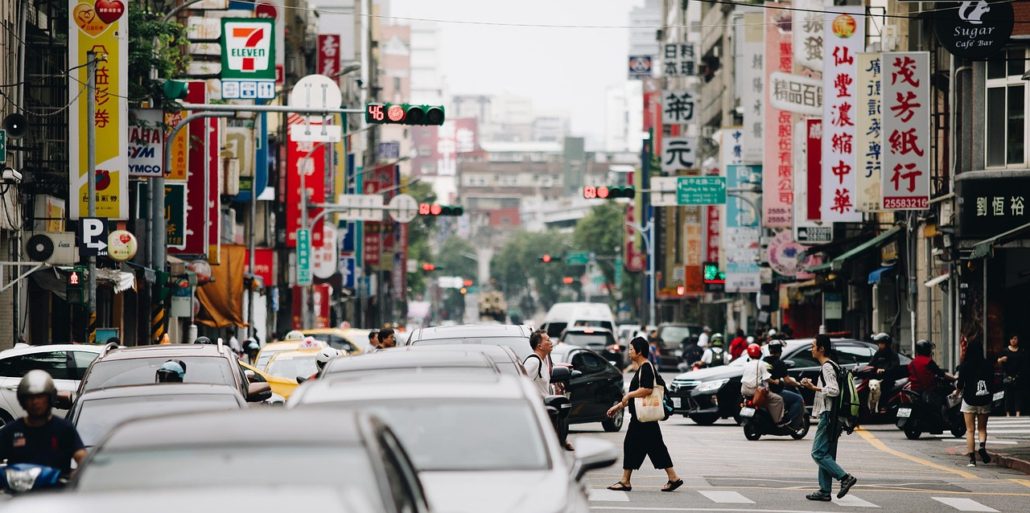
Foreign Aid to TaiwanTaiwan experienced a period of extreme poverty after World War II and the Chinese Civil War. Farming was the most common way to earn a living during the early 1950s, contributing to a low Gross National Product (GNP) per capita of $200 USD (at 1950s price levels) and extreme income inequality. Taiwan’s economic conditions shifted after the land reform began in 1949 and again in the late 1950s when the government prioritized export-oriented growth. Although the export-oriented growth model had a significant impact on Taiwan’s success, aid from the United States also made a lasting impact. Here is information about the history of U.S. foreign aid to Taiwan.

History

From 1950 to 1965, Taiwan received a significant portion of U.S. economic aid. Over this period, Taiwan received around $100 million USD in monetary assistance each year, which accounted for almost 9% of Taiwan’s gross domestic product (GDP).

The focus of foreign aid to Taiwan evolved throughout the years as living conditions improved and U.S. foreign policy objectives shifted. After the Chinese Civil War, people had minimal access to necessities like food and clothing. Starting in the early 1950s, U.S. foreign aid to Taiwan prioritized economic aid and provided military materials due to the widespread poverty and economic and political instability. With this aid, Taiwan was able to stabilize the political situation, which prevented the government from directing all funds toward defense and raising taxes on a population that already struggled financially.

In the mid-1950s, the U.S, directed aid toward infrastructure projects and industrial development. About 37.3% of aid funds went toward infrastructure, 21.5% to agriculture, 25.9% to workforce development and 15.3% to industry. The final stage of U.S. aid programs emphasized shifting from import-based industries to export-oriented growth. However, after 1960, the United States concluded that Taiwan had “graduated” from the aid programs and moved to cut concessional assistance. 

Current US Aid to Taiwan

The United States no longer provides the island with development assistance but continues to offer military financing loans and contribute to disaster preparedness. Before the suspension of the U.S. Agency for International Development (USAID), the organization initiated emergency response and joint training programs that have increased Taiwan’s ability to withstand natural disasters and military pressure from the People’s Republic of China (PRC).

Although disaster preparedness is an objective of aid to Taiwan, military support has been the primary focus of U.S. assistance in recent years. The National Defense Authorization Act of Fiscal Year 2023 and the Consolidated Appropriations Act, 2023 allow for the U.S. to provide up to $10 billion in grant assistance over five years and up to $2 billion in loans.

The goal of current U.S. aid is to maintain peace and stability in the Indo-Pacific region, while 20th century aid was intended to promote economic and social development. The demand for poverty-reducing aid programs diminished as previous initiatives proved successful, which explains this shift in U.S. aid objectives.

The Outcome of Foreign Aid

Taiwan recognizes that it owes much of its progress to the foreign aid it received over the decades. Today, the World Bank considers Taiwan a high-income economy. It is one of the world’s largest producers of semiconductors and electronics and is a driving force behind innovations in artificial intelligence. 

Foreign aid to Taiwan spurred economic development and substantially improved the well-being of Taiwan’s population. Taiwan’s GNP per capita was $1,132 USD by 1976 and $12,396 USD in 1995. With a higher GNP per capita, Taiwan’s population had more job opportunities, a more equitable income distribution and access to basic necessities like food, health care and education.

From 1953 to 1995, the mortality rates in children under 5 decreased from 21.1 per 1,000 to 1.9 per 1,000, while life expectancy increased by 3.2 years for men and 5.9 years for women as a result of lower income inequality. “By using this aid, we were able to build up our infrastructure… And we were also able to set up our import substitution industries…” remarked Ma Ying-jeou (馬英九), President of the Republic of China (Taiwan) from 2008-2016, in a speech. With U.S. assistance on infrastructure, industry and defense, Taiwan increased GNP per capita and established more income equality, improving life expectancy and the overall quality of life for its citizens. 

These improvements in health and economic outcomes demonstrate that foreign aid to Taiwan has made a noteworthy impact. At a time when the United States is reassessing its foreign aid commitments, it must recognize the positive influence of foreign aid on Taiwan’s success and rapid reduction of poverty.

– Haley Parilla

Haley is based in Cape Coral, FL, USA and focuses on Business and Politics for The Borgen Project.

Photo: Pixabay

March 29, 2025
https://borgenproject.org/wp-content/uploads/borgen-project-logo.svg 0 0 Jennifer Philipp https://borgenproject.org/wp-content/uploads/borgen-project-logo.svg Jennifer Philipp2025-03-29 01:30:082025-03-28 06:31:54US Foreign Aid to Taiwan
Page 4 of 92«‹23456›»

Get Smarter

  • Global Poverty 101
  • Global Poverty… The Good News
  • Global Poverty & U.S. Jobs
  • Global Poverty and National Security
  • Innovative Solutions to Poverty
  • Global Poverty & Aid FAQ’s
Search Search

Take Action

  • Call Congress
  • Email Congress
  • Donate
  • 30 Ways to Help
  • Volunteer Ops
  • Internships
  • Courses & Certificates
  • The Podcast
Borgen Project

“The Borgen Project is an incredible nonprofit organization that is addressing poverty and hunger and working towards ending them.”

-The Huffington Post

Inside The Borgen Project

  • Contact
  • About
  • Financials
  • President
  • Board of Directors
  • Board of Advisors

International Links

  • UK Email Parliament
  • UK Donate
  • Canada Email Parliament

Get Smarter

  • Global Poverty 101
  • Global Poverty… The Good News
  • Global Poverty & U.S. Jobs
  • Global Poverty and National Security
  • Innovative Solutions to Poverty
  • Global Poverty & Aid FAQ’s

Ways to Help

  • Call Congress
  • Email Congress
  • Donate
  • 30 Ways to Help
  • Volunteer Ops
  • Internships
  • Courses & Certificates
  • The Podcast
Scroll to top Scroll to top Scroll to top