• Link to X
  • Link to Facebook
  • Link to Instagram
  • Link to TikTok
  • Link to Youtube
  • About
    • About Us
      • President
      • Board of Directors
      • Board of Advisors
      • Financials
      • Our Methodology
      • Success Tracker
      • Contact
  • Act Now
    • 30 Ways to Help
      • Email Congress
      • Call Congress
      • Volunteer
      • Courses & Certificates
      • Be a Donor
    • Internships
      • In-Office Internships
      • Remote Internships
    • Legislation
      • Politics 101
  • The Blog
  • The Podcast
  • Magazine
  • Donate
  • Click to open the search input field Click to open the search input field Search
  • Menu Menu

Tag Archive for: USAID

Information and news about mobile technology

Posts

Conflict, Global Poverty

Social Protection: The Answer to Poverty in Conflict Zones?

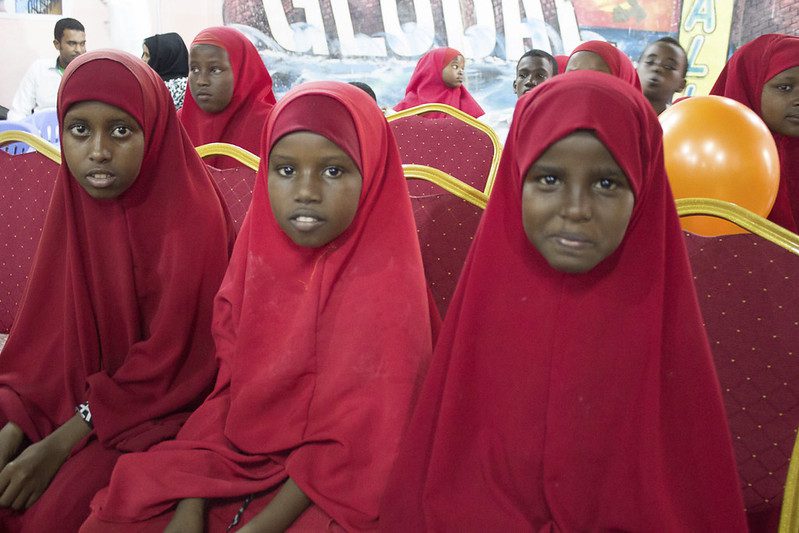
Social Protection: The Answer to Poverty in Conflict Zones? On Nov. 4, 2025, the United Kingdom’s (U.K.’s) Foreign, Commonwealth & Development Office, in collaboration with the government of Somalia, published the outcome document of the High-Level Panel on Social Protection in Fragile and Conflict-Affected Settings. Motivated by the need for practical solutions to alleviate poverty in the world’s most fragile contexts, the panel developed a roadmap for increasing investment in social protection. With decreasing global aid spending, this could represent an affordable and proactive method to help those in extreme poverty.

Fragility and Conflict

Currently, 25% of the global population lives in zones of high or extreme fragility. Brutal conflicts in Sudan, Gaza and the eastern Democratic Republic of the Congo (DRC) are exacerbated by climate shocks, economic instability and mass displacement. For many regions, fragility has become the norm and now represents the epicenter of humanitarian, development and security challenges. Of the planet’s population living in extreme poverty, more than 70% live in these fragile zones with a high incidence of violent conflict.

Social protection, as laid out in the 1948 Universal Declaration of Human Rights, is a fundamental human right. It includes those support mechanisms such as social insurance, jobseekers’ assistance, care services and cash support. In times of crisis and in zones of high or extreme fragility, these policies and programs become crucial, allowing people to better endure, adapt and recover. Globally, only 52.4% of people benefit from just one social protection program, a figure that drops dramatically in fragile contexts.

The High-Level Panel

The High-Level Panel on Social Protection in Fragile and Conflict-Affected Settings was convened to ascertain why social protection is not the norm – and how to change that fact. Co-chaired by Rt Hon Baroness Chapman of Darlington (U.K. Minister of State for International Development and Africa), and H.E. Salah Ahmed Jama (Deputy Prime Minister of Somalia), the panel brought together leading experts in the fields of humanitarian action, development and social protection. 

With the support of a public enquiry, the panel found that implementing social protection in fragile regions has been hampered by strong barriers to progress. From a lack of political buy-in to chronic underinvestment, social protection has been underappreciated and underutilized. Finding solutions to these entrenched barriers, therefore, has required a shift in attitudes, brought about in no small part by a need to find cheaper solutions to poverty alleviation. 

Fiscal Constraints

One of the key recognitions made by the High-Level Panel is the severe pressure on both domestic and international spending. Operating in the reality of a tightened global fiscal situation – where the United States Agency for International Development (USAID) with its $63 billion budget has closed, and where the U.K. has reduced its aid spending to 0.3% of Gross National Income (GNI) – the Panel argues that increasing social protection offers a cost-effective and proactive alternative to expensive reactionary humanitarian responses. It is this shift in the financing of global development and poverty alleviation assistance that will be most conducive to the realization of the Panel’s aims.

Recommendations for Implementation

As part of the outcome document published by the two co-chairs of the High-Level Panel, a “catalytic agenda” was laid out. This set out nine recommendations for the implementation of the Panel’s vision – for social protection to provide peace, resilience and stability in fragile and conflict-affected settings. The agenda focuses on the recognition of social protection as a priority, the centering of people in future implementations, and the importance of robust and diverse financing mechanisms.

The document concludes with a call to action directed at stakeholders, including the United Nations (U.N.), G7+ and Organization for Economic Co-operation and Development (OECD), requesting firm commitments to the panel’s recommendations. The inclusion of clear steps, rather than general statements, underscores the panel’s position that social protection in conflict-affected settings is achievable.

A Path Forward

Financing social protection in those regions of the world most affected by severe instability offers a proactive, affordable solution to extreme poverty.  Social protection enhances safety and stability for the general population and plays a critical role in supporting society’s most vulnerable, including women, children, the elderly and people with disabilities. The conclusions and recommendations of the High-Level Panel on Social Protection in Fragile and Conflict-Affected Settings provide a clear path forward.

– Henry Weiser

Henry is based in Cornwall, UK and focuses on Technology and Politics for The Borgen Project.

Photo: Flickr
November 30, 2025
https://borgenproject.org/wp-content/uploads/borgen-project-logo.svg 0 0 Precious Sheidu https://borgenproject.org/wp-content/uploads/borgen-project-logo.svg Precious Sheidu2025-11-30 01:30:532025-12-08 01:14:18Social Protection: The Answer to Poverty in Conflict Zones?
Economy, Foreign Aid, Global Poverty

The African Union’s SSE Strategy

SSE StrategyIn recent years, foreign aid has become increasingly political and divisive among Western nations. During his presidency, Donald Trump significantly reduced funding to the United States Agency for International Development (USAID), arguing for a more “America First” approach to spending. Similarly, countries such as the United Kingdom, France and the Netherlands have also scaled back their foreign aid commitments, citing shifting domestic priorities, according to The Financial Times.

The reduction in foreign aid spending by many Western countries has put significant pressure on global health organizations and the United Nations (U.N.), influencing them to adapt to a world where foreign aid budgets are no longer top priorities for high-income countries. A senior U.N. official, quoted in The Financial Times, acknowledged the severity of this shift, stating, “Around a fifth of the total aid budget is gone and we have to accept that.” In response, international agencies like the Global Fund to Fight Aids and the Vaccine Alliance are forced to scale back programs and sometimes discontinue aid projects altogether.

The Impact of Foreign Aid Cuts on Africa

Reductions in foreign aid spending, specifically budget cuts to USAID, have disproportionately impacted Africa, where millions rely on foreign aid assistance for health care services. In 2024, under the Biden administration, USAID allocated 31% of its total budget—totaling $12.7 billion—to aid programs across the continent.

These funds supported critical health initiatives targeting HIV/AIDS, malaria, tuberculosis, maternal and child health and nutrition. According to African Practice, the African Center for Disease Control and Prevention estimates that aid reductions could push an additional 5.7 million Africans into extreme poverty.

In the wake of aid cuts, the African Union has implemented a plan to navigate away from aid reliance and toward continent-wide development. The plan is a 10-year Social and Solidarity Economy (SSE) strategy, which focuses on strengthening locally rooted businesses and providing community-led public services and health care. By reinvesting the profits from these programs, the goal is to stimulate growth and create new jobs, ultimately stabilizing the continent and reducing the need for foreign aid.

Impacts from the African Union’s SSE strategy are already being seen across the continent. Below are a few highlights.

Babban Gona

Babban Gona is a farmer-owned cooperative based in Nigeria that supports the development of smallholder farms. Since its founding in 2010, the organization has created more than 80,000 jobs, impacted above 35,000 individuals in local communities and invested tens of millions of dollars into rural economies. These efforts have significantly reduced poverty and regional violence. The African Union’s SSE strategy aims to build on successful models like Babban Gona to promote broader community-driven growth across the continent.

Broad Reach

South Africa’s BroadReach program utilizes AI-driven data platforms to improve HIV and tuberculosis treatment nationwide. With support from government partners, BroadReach has enhanced the efficiency and reach of public health care systems, positively impacting millions of people and raising the overall quality of care. The program serves as a blueprint for how other African countries can scale health care services locally, minimizing foreign aid reliance for health care initiatives.

Esoko

Esoko is a Ghana-based project that uses mobile technology to provide communities with the necessary information to support positive change in agricultural markets. With more than one million farmers already impacted, Esoko delivers real-time updates on market prices and climate data to smallholders, improving both sustainability and productivity, according to Esoko.

Esoko has already improved farmers’ livelihoods across Ghana by creating a more interconnected agricultural market chain. This success can be scaled to surrounding regions under the African Union’s SSE strategy, making agriculture more dependable and profitable for many of Africa’s most vulnerable communities.

Final Remarks

While foreign aid cuts from Western nations have created challenges across Africa, they’ve also forced a necessary shift toward self-reliance and continent-wide development. Indeed, the African Union’s SSE strategy offers a new path forward. Programs like Babban Gona, BroadReach and Esoko show that locally based solutions already positively impact Africa. With continued support from the African Union, Africa has the tools to stimulate growth without depending on foreign aid.

– Jordan Venell

Jordan is based in Edina, MN, USA and focuses on Good News and Technology for The Borgen Project.

Photo: Flickr
October 9, 2025
https://borgenproject.org/wp-content/uploads/borgen-project-logo.svg 0 0 Hemant Gupta https://borgenproject.org/wp-content/uploads/borgen-project-logo.svg Hemant Gupta2025-10-09 01:30:322025-10-08 10:23:17The African Union’s SSE Strategy
Global Poverty, Hunger

How US Support Is Tackling Hunger and Malnutrition in Kenya

Hunger and Malnutrition in KenyaKenya faces a persistent hunger and malnutrition crisis, with more than 18.7 million people, more than one-third of the population, undernourished. Recurring droughts, floods and disease outbreaks exacerbate this process. However, United States (U.S.) foreign aid alleviates this situation through various programs and initiatives.

US Humanitarian Assistance in Kenya

In response to the 2023 Horn of Africa drought, the U.S. government, through USAID, provided nearly $310 million in humanitarian assistance to Kenya. This funding supported emergency food aid, nutrition programs and resilience-building activities.

Additionally, the U.S. Department of Agriculture (USDA) has been instrumental in combating child malnutrition in Kenya through the McGovern-Dole Food for Education Program. In 2023, this program supplied U.S.-grown food to more than 650,000 children across more than 2,000 schools, ensuring they receive nutritious meals that support their education and overall well-being.

Addressing Acute Malnutrition

Acute malnutrition remains a significant concern, particularly among children under 5. As of October 2023, approximately 847,000 children in Kenya were facing acute malnutrition. U.S. aid contributes to programs that provide therapeutic feeding, micronutrient supplementation and community-based nutrition interventions to address this issue.

Supporting Refugees and Vulnerable Populations

Kenya hosts a substantial refugee population, many of whom are at heightened risk of food insecurity. In 2024, the U.S. government allocated $37 million to support refugees in Kenya, enabling the World Food Programme (WFP) to increase food rations and resume cash transfers in camps like Dadaab and Kakuma. These efforts are crucial in preventing malnutrition and promoting the self-reliance of displaced individuals.

Challenges and Ongoing Needs

Despite these efforts, challenges persist. The Global Hunger Index 2024 categorizes Kenya’s hunger level as “serious,” with indicators such as child stunting and undernourishment remaining high. Moreover, recent U.S. aid cuts have led to significant reductions in food assistance for refugees, with some receiving only 28% of the recommended food rations, putting vulnerable populations at further risk.

Funding shortfalls have also become a pressing challenge. In recent years, reductions in U.S. aid have forced humanitarian organizations to scale back food assistance. Such shortfalls endanger vulnerable populations and risk undoing years of progress in improving food security. Without sustained investment, cycles of hunger and malnutrition in Kenya could worsen, especially during climate shocks.

Another obstacle is climate instability. Kenya’s heavy reliance on rain-fed agriculture makes its population highly vulnerable to droughts and floods. Extreme weather events have become more frequent, damaging crops, killing livestock and reducing access to safe water. While humanitarian assistance can provide short-term relief, long-term resilience requires greater investment in sustainable farming practices, climate adaptation and diversified food systems.

U.S. programs that combine food assistance with resilience-building measures are therefore vital. However, their reach remains limited compared to the scale of the crisis.

Looking Forward

The partnership between the U.S. and Kenya shows the importance of international cooperation in fighting hunger. U.S. assistance has helped millions of Kenyans access life-saving food, reduced rates of acute malnutrition among children and supported education through school meals. Often among the hardest hit, refugees have also benefited from direct food aid and cash transfers that restore dignity and choice in how families feed themselves.

Still, the persistence of hunger in Kenya serves as a reminder that humanitarian aid cannot be the only solution. Addressing root causes—poverty, inequality, climate instability and fragile health systems—is essential for long-term progress. Programs that integrate food assistance with agricultural development, women’s empowerment and climate adaptation can create more sustainable outcomes. The U.S., alongside Kenyan institutions and international partners, will need to continue expanding investments in these areas to prevent recurring food crises.

Ultimately, U.S. foreign aid is more than just emergency relief—it is an investment in human potential and stability. By ensuring children are well-nourished, families are food-secure and communities are resilient, these efforts contribute to Kenya’s broader development goals. While challenges remain, ongoing U.S. support provides a foundation of hope that Kenya can reduce hunger and malnutrition, even in the face of climate and economic pressures.

– Skylar Roy

Skylar is based in Carlsbad, California, USA and focuses on Good News and Politics for The Borgen Project.

Photo: Wikimedia Commons

October 7, 2025
https://borgenproject.org/wp-content/uploads/borgen-project-logo.svg 0 0 Hemant Gupta https://borgenproject.org/wp-content/uploads/borgen-project-logo.svg Hemant Gupta2025-10-07 01:30:042025-10-06 00:16:25How US Support Is Tackling Hunger and Malnutrition in Kenya
Global Poverty, Hunger, Malnourishment

US aid fighting hunger in Kenya

hunger in kenyaKenya faces a persistent hunger and malnutrition crisis, with more than 18.7 million people, more than one-third of the population, undernourished. Recurring droughts, floods and disease outbreaks exacerbate this process. However, U.S. foreign aid alleviates this situation through various programs and initiatives.

US Humanitarian Assistance in Kenya

In response to the 2023 Horn of Africa drought, the U.S. government, through USAID, provided nearly $310 million in humanitarian assistance to Kenya. This funding supported emergency food aid, nutrition programs and resilience-building activities.

Additionally, the U.S. Department of Agriculture (USDA) has been instrumental in combating child malnutrition in Kenya through the McGovern-Dole Food for Education Program. In 2023, this program supplied U.S.-grown food to more than 650,000 children across more than 2,000 schools, ensuring they receive nutritious meals that support their education and overall well-being.

Addressing Acute Malnutrition

Acute malnutrition remains a significant concern, particularly among children under 5. As of October 2023, approximately 847,000 children in Kenya were facing acute malnutrition. U.S. aid contributes to programs that provide therapeutic feeding, micronutrient supplementation and community-based nutrition interventions to address this issue.

Kenya hosts a substantial refugee population, many of whom are at heightened risk of food insecurity. In 2024, the U.S. government allocated $37 million to support refugees in Kenya, enabling the World Food Programme (WFP) to increase food rations and resume cash transfers in camps like Dadaab and Kakuma. These efforts are crucial in preventing malnutrition and promoting the self-reliance of displaced individuals.

Challenges and Ongoing Needs

Despite these efforts, challenges persist. The Global Hunger Index 2024 categorizes Kenya’s hunger level as “serious,” with indicators such as child stunting and undernourishment remaining high. Moreover, recent U.S. aid cuts have led to significant reductions in food assistance for refugees, with some receiving only 28% of the recommended food rations, putting vulnerable populations at further risk.

Funding shortfalls have also become a pressing challenge. In recent years, reductions in U.S. aid have forced humanitarian organizations to scale back food assistance. Such shortfalls endanger vulnerable populations and risk undoing years of progress in improving food security. Without sustained investment, cycles of hunger and malnutrition could worsen, especially during weather shocks.

Another obstacle is climate instability. Kenya’s heavy reliance on rain-fed agriculture makes its population highly vulnerable to droughts and floods. Extreme weather events have become more frequent, damaging crops, killing livestock and reducing access to safe water. While humanitarian assistance can provide short-term relief, long-term resilience requires greater investment in sustainable farming practices, climate adaptation and diversified food systems.

U.S. programs that combine food assistance with resilience-building measures are therefore vital. However, their reach remains limited compared to the scale of the crisis.

Looking Forward

The partnership between the U.S. and Kenya shows the importance of international cooperation in fighting hunger. U.S. assistance has helped millions of Kenyans access life-saving food, reduced rates of acute malnutrition among children and supported education through school meals. Often among the hardest hit, refugees have also benefited from direct food aid and cash transfers that restore dignity and choice in how families feed themselves.

Still, the persistence of hunger in Kenya serves as a reminder that humanitarian aid cannot be the only solution. Addressing root causes—poverty, inequality, weather instability and fragile health systems—is essential for long-term progress. Programs that integrate food assistance with agricultural development, women’s empowerment and climate adaptation can create more sustainable outcomes. The U.S., alongside Kenyan institutions and international partners, will need to continue expanding investments in these areas to prevent recurring food crises.

Ultimately, U.S. foreign aid is more than just emergency relief—it is an investment in human potential and stability. By ensuring children are well-nourished, families are food-secure and communities are resilient, these efforts contribute to Kenya’s broader development goals. While challenges remain, ongoing U.S. support provides a foundation of hope that Kenya can reduce hunger and malnutrition, even in the face of climate and economic pressures.

– Skylar Roy

Skylar is based in Carlsbad, CA, U.S.A and focuses on Good News and Global Health for The Borgen Project.

Photo: Wikimedia Commons

October 5, 2025
https://borgenproject.org/wp-content/uploads/borgen-project-logo.svg 0 0 Naida Jahic https://borgenproject.org/wp-content/uploads/borgen-project-logo.svg Naida Jahic2025-10-05 01:30:202025-10-05 03:12:35US aid fighting hunger in Kenya
Electricity and Power, Foreign Aid, Global Poverty

USAID Programs in Moldova

USAID Programs in MoldovaMoldova is a country in Eastern Europe and a former Soviet republic. In 1992, a year after the fall of the USSR, USAID started working with the country to facilitate the state’s transition, including ending extreme poverty, supporting democracy and advancing resilience and security. Since then, USAID programs in Moldova have amounted to $2.5 billion with focus on both rural and urban areas. 

Despite these efforts, poverty remains a serious issue, particularly in rural regions. For example, last year the Southern region experienced an absolute poverty rate of 51.4%, while the capital region, with better opportunities, reported a significantly lower rate of 14.6%.

These challenges make USAID programs particularly important, and the following are some of the most notable USAID programs with poverty reducing effects.

The Moldova Competitiveness Enhancement Program (MCE)

The Moldova Competitiveness Enhancement Program (MCE) was a large investment aiming to integrate Moldova with European markets. It aimed to increase competitiveness of Moldovan producers through various improvements in the business environment. The profits have far exceeded the project’s cost of $37 million as the World Bank estimated them to be between $69 million to $93 million in value added exports.

The improvements included facilitated access to finance, help in meeting western production standards and major investments in tourism, wine and clothing industries.

The program also improved access to MSTQ (Metrology, Standardization, Testing and Quality) services which enabled small and medium sized enterprises to increase revenues and create jobs, directly contributing to poverty reduction. On top of that, it provided targeted assistance to female entrepreneurs, ensuring inclusive growth. 

Notably, the program supported more than 60 Moldovan wine producers in meeting global food safety certificates, consequently helping them access higher-paying markets which boosts incomes for families in rural areas dependent on wine making. The World Bank evaluated the efficiency of the program as substantial, emphasizing the positive effects of USAID.

Energy Security of the Republic of Moldova

The ongoing energy security program in Moldova aimed at addressing humanitarian and economic issues. While the donors have continued to support the program beforehand, the U.S. marked a major milestone in 2022 directly after the Russian invasion of Ukraine, by promising $300 million in aid to improve energy security which DW described as “a major issue in Moldova.”

The U.S. embassy in Chisinau aimed to cover the following using the funds

  • Direct support to relieve Moldovans of record high electricity costs ($80 million).
  • Development of power plants projects to diversify power supply. This includes an ambitious new high voltage line between Romania and Moldova for energy security and European integration ($135 million).
  • Enhancement of Moldova’s ability to produce energy from alternative sources ($85 million).

Officials in the U.S. and Moldova planned the money to support economic development and energy security while promoting sustainability through integration of renewable energy, which also helps protect low-income households from future energy shocks. Importantly, the energy security program directly contributed to lower electricity costs, which alleviates poverty as it reduces economic strain on low-income families. 

According to the UN, during the 2022-2023 and 2023-2024 winter seasons, the average energy poverty rate in Moldova fell from 89% to 81.3%. While this improvement reflects the UN’s targeted support, USAID’s efforts in the energy infrastructure and affordability during the same period likely contributed to this positive outcome, helping low-income families manage the rising costs of living.

Inclusive and Participatory Processes Project (IPP)

Among the USAID programs in Moldova, the IPP has focused on democracy strengthening and greater overall participation in decision-making which can be poverty reducing. USAID started the project before the 2020 presidential election in Moldova to ensure transparency and accountability of the vote.

The financial assistance allowed easier election tracking for voters in real time, it provided political training for all parties and notably helped improve the electoral system which managed to withstand a cyberattack on election day. The funding also focused largely on educating voters through sponsoring 25 candidate debates and supporting a government exchange program which educated more than 500 Moldovans on the electoral process. 

The fund also created equal opportunities for citizens through increasing access to polling stations for all. Vasile Savca, the monitor of accessibility in Causeni – a city in Moldova – spoke positively about recent changes saying “I am glad to notice the House of Culture in my village has become more accessible lately … We shall remind the society that people with disability have equal rights as all citizens.” Crucially, the IPP helps ensure that government resources reach communities in need, through transparent and accountable elections, thus indirectly supporting poverty reduction. Moreover, the IPP helps ensure that policies and budgets better address economic needs through increased participation of marginalized populations in elections.

Life After USAID Suspension

Sadly, in 2025 the U.S. Congress voted to reduce the international aid fund, consequently cutting funding for USAID programs in Moldova. Due to that, the government will not be able to undertake many projects and will have to suspend many others. This, for instance, includes the earlier mentioned high voltage line between Moldova and Romania.

However, residents have generally positive feelings towards the aid and they praised USAID programs in Moldova such as the creation of the national wine brand. Despite this setback, people stay optimistic and while American money has been helpful now Europe has stepped up to fill in the gap. For instance, Moldova.org, a feminist news page tackling sensitive stories had three European NGOs pay salaries of their workers for around 3 months after the USAID budget cut.

Ana Gherciu, the director of development of the site, is confident that “there are solutions” to the issue. They are far from being the only case and the attempts to secure aid from other sources are becoming a countrywide pattern. Even the government announced that it is seeking European funding for the power line. In the face of this challenge, Moldovans are staying hopeful and resourceful as they have experienced themselves the positive impacts of humanitarian aid.

– Karol Hejduk

Karol is based in London, UK and focuses on Good News and Politics for The Borgen Project.

Photo: Wikimedia Commons

September 26, 2025
https://borgenproject.org/wp-content/uploads/borgen-project-logo.svg 0 0 Jennifer Philipp https://borgenproject.org/wp-content/uploads/borgen-project-logo.svg Jennifer Philipp2025-09-26 01:30:202025-09-25 15:07:53USAID Programs in Moldova
Food & Hunger, Global Poverty, USAID

3 Ways USAID Programs in Mali Are Changing Lives

USAID Programs in MaliMali has a complicated relationship with recurring challenges such as climate crisis’ and conflict-driven violence. Whether it be due to the shocks of extreme heat and floods, or the violence from armed forces within different villages, USAID programs in Mali have benefited Malians greatly, with more than a third of the population being in need of humanitarian assistance.

U.S. assistance in Mali has allowed the pursuit for peace and stability; there have been major investments towards the healthcare system, agriculture, education and peacebuilding. Despite the recent cuts made to USAID’s funding, there are still efforts being made to retain relations between the states. USAID’s Country Development Cooperation Strategy for 2022-2026 represents the commitment towards providing humanitarian assistance while aligning with Mali’s national interests and plans. Thus, it is important to highlight the preexisting successes and the progress made due to USAID programs in Mali.

1. Boosting Food Security Through Feed the Future

In Mali, 1.6 million people or 6% of the population suffer due to acute food insecurity. USAID’s Feed the Future program in Mali makes an effort to improve the livelihoods of people improving food security and creates income and food opportunities for Malians, by boosting millet, rice and livestock production. Farmers gain access to improved seeds, livestock care and markets. Furthermore, these programs tackle malnutrition through prevention; investments into Mali’s agricultural systems will open economic opportunities for Malian people, who typically migrate away from the country for work, as there are newfound opportunities in their own nation. This program allows USAID to invest into Mali, allowing them to build themselves from the ground up and become self-sufficient to combat issues with malnutrition and food insecurity, and in the future, they will be able to thrive without foreign intervention.

2. Improving Health

In 2021, more than 60% of Mali’s deaths were due to communicable, maternal or perinatal and nutritional issues. However, this number should ultimately improve due to investments and more attention to the health care system and facilities.

Launched in 2020, and receiving a 16-month extension in 2024, USAID funded the Mali Health Systems Strengthening, Governance and Finance project (HSS) which had the goal of empowering Mali’s plan, management and financing of its own health care system. This project focused on multiple regional and national developments for the health care system, and has provided training for 26 health districts and more than 700 facilities. USAID supported them by also improving supply chain management, data monitoring and providing essential supervision for the improvements being made. By improving the governance of healthcare systems and management, it improves the health outcomes for the region and allows under-resourced regions to thrive on their own. Thus, once there is a transition of power, local organizations will be well equipped.

3. Strengthening Governance and Stability

Due to the challenges with civil conflict, there is often mistrust between local governments and communities. The USAID Mali Peacebuilding, Stabilization and Reconciliation (PSR) Program worked on building resilience of 43 communes so they could address violence and extremism. To build trust between the state and local communes, USAID approached it in a nuanced way to encourage multi-actor participation in commune decisions, the use of citizen voice and inclusive decision making. The PSR program’s training module on decentralization is in use for the national center for community training. Thus, there is more active collaboration between citizens and the state, creating more trust towards the government and improves state legitimacy. 

Looking Ahead

Overall, USAID programs in Mali have provided the funding and opportunities to improve nutrition, health and governance. The programs in place will ideally give Mali the strength and facilities to eventually become self-sufficient and no longer need the foreign intervention from USAID.

Through the Feed The Future program, it creates economic opportunities by creating jobs in agriculture, and it also provides the natural resources to feed the nation. The HSS program provides training and the facilities to allow the healthcare system to thrive. Finally, the PSR program works on improving relations between the government and civilians, which would reduce the mistrust of the government whilst incorporating the civic voice into governmental decisions.

Despite the hardships Mali has been facing, its GDP growth has been steadily increasing; estimates placed it at 4% in 2024 and part of its growth has been due to agriculture and services. USAID programs in Mali have undoubtedly provided several benefits to the country.

– Aaida Nuren

Aaida is based in London, UK and focuses on Good News for The Borgen Project.

Photo: Flickr
September 9, 2025
https://borgenproject.org/wp-content/uploads/borgen-project-logo.svg 0 0 Jennifer Philipp https://borgenproject.org/wp-content/uploads/borgen-project-logo.svg Jennifer Philipp2025-09-09 01:30:142025-09-08 23:36:243 Ways USAID Programs in Mali Are Changing Lives
Disease, Global Poverty, HIV/AIDS

Addressing HIV/AIDS in Kazakhstan

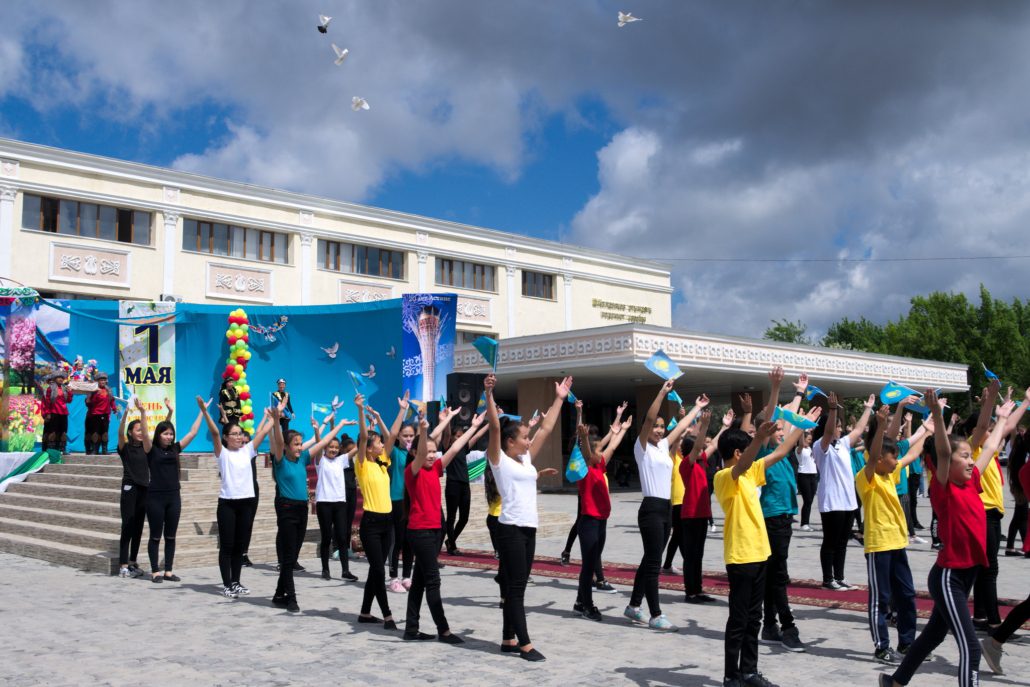
HIV/AIDS in KazakhstanKazakhstan is a large Central Asian country, bordering Russia at its north, and Uzbekistan and Kyrgyzstan at its south. It is a developing country, and international aid plays a large part in disease control. HIV/AIDS in Kazakhstan has been a growing problem for years. A combination of domestic and international aid has been successfully active in Kazakhstan, but this problem is very much ongoing. Furthermore, U.S. budget cuts are threatening aid which Kazakhstan relies on.

Overview of HIV/AIDS in Kazakhstan

The Eastern Europe and Central Asian region (EECA) is the only region in the world where HIV and AIDS infections, as well as AIDS-related deaths, are still rising. A study carried out under Dove Press shows a consistent increase in the percentage of the Kazakh population living with HIV since 2010 – 0.12% of the population in 2010, and 0.27% in 2020. As of 2024, around 43,000 adults aged above 15 live with HIV in Kazakhstan.

Poverty also has some correlation with HIV/AIDS in Kazakhstan. Sex workers are at higher risk of infection, a lifestyle which is generally a product of poverty and desperation. Furthermore, drug-users are at higher risk of HIV than non-drug-users, another practice which has links – cause or effect – to poverty. One way in which Kazakhstan could indirectly address its HIV/AIDS problem would be to help the poorest, and bring people out of particularly vulnerable situations.

There are reasons for optimism: 

  • The HIV epidemic in Kazakhstan is isolated to certain groups, such as people who inject drugs, or men who have sex with other men. It is not a population-wide epidemic, and therefore eradication is more easily attainable. 
  • According to UNAIDS, in 2024, there was a 2% decrease in new HIV cases compared to 2010.
  • The international community is helping Kazakhstan in a number of ways.

The Importance of International Aid

There are multiple NGOs and state-funded organizations which have helped and are helping Kazakhstan. These include:

Centers for Disease Control and Prevention (CDC): CDC is a U.S.-based and government funded organization which works globally. In 2005, the U.S. President’s Emergency Plan for AIDS Relief (PEPFAR) implemented actions, and since then, CDC has supported Kazakh domestic organizations, such as KSCDID, in researching and treating HIV/AIDS in Kazakhstan:

  • CDC has improved online services, making information accessible to the Kazakh population and encouraging informed decision-making.
  • CDC supports five HIV treatment facilities with funding and technology. These accounted for 5,234 patients in 2024, a 34% increase since 2019.
  • CDC claims to have supplied effective treatment to more than 20,000 infected people in Kazakhstan, in collaboration with its government.

The UNDP: The UN Development Program (UNDP) has helped to modernize health care in Kazakhstan:

  • Invested in modern, effective equipment for PCR testing in 15 different AIDS centers across Kazakhstan.
  • Pushed HIV and AIDS testing towards automation – less direct contact with doctors results in lower likelihood of human error or even further spread of infection.

USAID: This was an organization created under President Bush. It is credited with saving 25 million lives worldwide through its work on HIV and AIDS, and was very influential in Kazakhstan:

  • USAID allocated more than $15 million USD to Kazakhstan in 2024. About $8.8 million USD out of this total was invested in health care, with the rest being split between goals such as upholding human rights, stimulating economic development and maintaining peace.
  • In 2020, USAID launched a flagship project in Kazakhstan which tested more than 10,000 people for HIV/AIDS, 600 of which were positive. This project also granted life-saving health care to more than 3,000 people living with HIV.

Threat to International Aid

This year, President Trump aims to decrease government spending by $9 billion USD. One victim of these cuts is USAID, which had to shut down in July 2025 due to lack of funding. Both former-presidents Bush and Obama have condemned this action.

The organization UNAIDS particularly focuses on the significance of the U.S. funding, and impact of the cuts. It projects a 90% reduction in HIV testing and outreach in two regions of Kazakhstan, accounting for 20% of the drug-using population and 9% of men who have sex with men.

The morale of the Kazakh people is another important factor. The fear of HIV and AIDS negatively affects the population, and UNAIDS highlights the significance and growth of this fear with the introduction of the temporary U.S. funding freeze in March 2025, even before the cuts have been fully implemented.

Reasons to Be Optimistic

Under these threatening circumstances, there are multiple actors working to soften the potential blows as much as possible. For example, the Government of Kazakhstan is committed to filling the gaps that the U.S. left with domestic funding. The government already covered 95% of the costs of HIV research and treatment, and so were not entirely reliant on the CDC before the cuts.

Communities in Kazakhstan are also mobilizing. There has been increased volunteering, as well as outreach workers moving to AIDS centers. There has also been dialogue with the Global Fund, which could help in the place of U.S. aid.

Meanwhile, in the case of the U.S. Government, in July 2025, U.S. senators said that they would end a plan to cut $400 million dollars from PEPFAR funding, a decision which many experts are relieved about. This should significantly lessen the potential impact of the cuts on HIV and AIDS relief, in Kazakhstan and across the world.

Looking Ahead

In summary, while HIV/AIDS in Kazakhstan is a significant problem, and the threats to international aid funding are of further concern, there is cause for optimism. The people of Kazakhstan, as well as the international community, are adapting and making the best of their situation.

– Oliver Evans

Oliver is based in Devon, United UK and focuses on Global Health for The Borgen Project.

Photo: Flickr
September 6, 2025
https://borgenproject.org/wp-content/uploads/borgen-project-logo.svg 0 0 Jennifer Philipp https://borgenproject.org/wp-content/uploads/borgen-project-logo.svg Jennifer Philipp2025-09-06 03:00:412025-09-05 15:12:48Addressing HIV/AIDS in Kazakhstan
Foreign Aid, Global Poverty

USAID in Myanmar

USAID in MyanmarMyanmar, a country in military stronghold turmoil, has been struggling for liberation and democracy amid ethnic disputes and insurgencies ever since 1948. Since 1962, the Burma Socialist Programme has ruled the nation under a totalitarian dictatorship. Rising poverty and social instability led to numerous college-student-led protests up until 1988, often referred to as the People Power Uprising, in efforts to promote democracy and stop the socialist agenda Ne Win and his government were developing.

Renewed Military Control and Civil War

The protests ended with a coup d’état, resulting in the military junta ousting Ne Win and ruling the nation. The military junta later held a general election in 1990, where national icon Aung San Suu Kyi and her party dominated, partly due to their pro-democracy agenda. However, the military leadership would not recognize Kyi’s party’s win and continued to rule the government. Kyi was put under house arrest and, in 2021, when the Tatmadaw military organization came to power following another coup d’état, they imprisoned her. Kyi was a prominent leader in advocating for Myanmar’s democracy in the 2010s, where the Burmese nation seemed to bend toward justice with the democratic elections of Htin Kyaw and Win Myint.

It was only until the coup d’état in 2021 that the population lost all hope of continuous liberation, as the Tatmadaw seized Nay Pyi Taw. From there, a full-on civil war broke out between the National Unity Government (NUG)–the democratic house which was ousted–and the State Administrative Council–the ruling military junta as of 2025, who ousted the NUG. The war is still ongoing, having recorded more than 75,000 deaths.

USAID in Myanmar

The United States Agency for International Development (USAID) was a strong proponent in helping alleviate social, economic and political turmoil in Myanmar, amid the numerous insurgencies and coups. USAID gave Myanmar approximately $2 million in 2001, a number that grew to more than $175 million annually by 2016. Following the 2021 coup, USAID, under the Biden administration, increased spending by more than 30%. A significant portion of the donations funded food, assistance and humanitarian aid. In 2025, that aid abruptly stopped.

Widespread Damage Across Myanmar

In March of 2025, a magnitude 7.7 earthquake rattled Myanmar and neighboring Thailand and Vietnam. The earthquake affected 15 million Burmese people and estimates suggest that between 4,500 to 5,500 people have died, and more than 11,000 were injured, making it the deadliest earthquake in the country’s history. Power outages and interruptions to phone service and internet access affected more than half the population across the country. At least 120,000 homes were damaged, and numerous mosques and government buildings collapsed.

To help with relief efforts, countries such as Canada, the United Kingdom, South Korea, China and Italy sent aid worth millions of dollars—China alone sent more than $150 million. The United States, which had just pulled out its USAID employees, sent only $2 million.

The Way Forward

It could take a while for Myanmar to recover from the impact of the earthquake. However, there are many organizations stationed in Myanmar aiming to shorten the gender gap, expand food security and housing affordability and divert the economy away from reliance and this offers hope for the future.

– Jackson Mailer

Jackson is based in Brooklyn, NY, USA and focuses on Politics for The Borgen Project.

Photo: Flickr
August 24, 2025
https://borgenproject.org/wp-content/uploads/borgen-project-logo.svg 0 0 Precious Sheidu https://borgenproject.org/wp-content/uploads/borgen-project-logo.svg Precious Sheidu2025-08-24 11:26:342025-09-11 00:51:51USAID in Myanmar
Education, Global Poverty, HIV/AIDS

Namibia’s Resilience: USAID Programs in Namibia

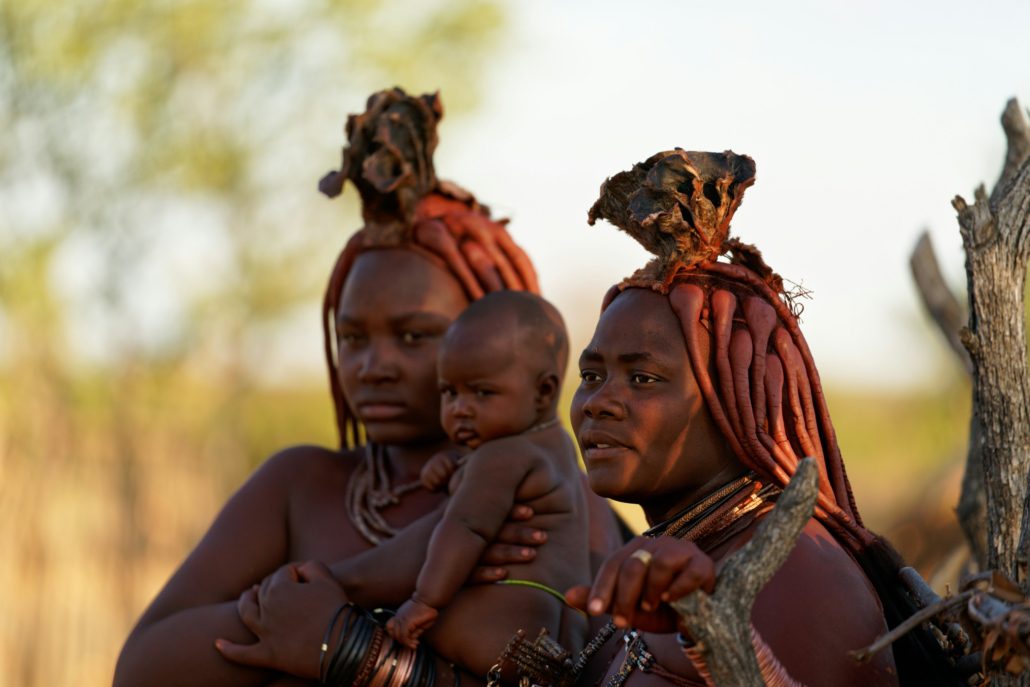
USAID Programs in NamibiaIn light of USAID cuts and freezes, Namibia is delivering the Reach Namibia program, Lifeline Namibia and early childhood development initiatives. These three USAID programs in Namibia raise awareness about the importance of protecting and empowering the disadvantaged groups within Namibia’s youth.

About HIV/AIDS in Namibia 

HIV/AIDS is particularly prevalent in Southern Africa, with Namibia having a high rate, as there are 210,000 cases, of whom 7,700 are children. Young girls and women, sex workers, men who have sex with men and trans Namibians remain the most vulnerable groups at risk of HIV.  Namibia has been at the forefront of controlling the epidemic, especially the massive progress in almost eliminating mother-to-child transmission rates. Through antiretroviral therapy, HIV positive pregnant and breastfeeding mothers, 96% of newborn children were born free of the disease, yet the stigma and infection rates remain a challenge and are being tackled by leading programs which focus on the vulnerable groups in Namibia’s youth. 

Reach Namibia

The first of the USAID programs in Namibia is Reach Namibia. Built on the foundations of the Dreams Hope program, Reach Namibia is an extension of the original program which aims to reduce the number of HIV/AIDS infections amongst young girls. It also empowers them with social protection, education, economic skills and reproductive services, in turn dismantling the stigma of adolescent children having HIV. 

While overlapping in its goals and initiatives with Dreams Hope, Reach Namibia is gender inclusive for all HIV vulnerable children. By providing extensive health and social services, the program creates short-term and long-term support, including access to medical attention and equipping them with life skills. This increases their chances of accessing education, the job market and health services.

Reach Namibia offers job training courses from plumbing and bricklaying to baking and banking. Not only does this directly increase young people’s future opportunities, but it also tackles the stigma against young victims of HIV. Instead of others defining them by their disease, they become defined as hard-working and qualified young people, who manage the disease. Additionally, the program offers internships and placements to graduates, which are structured around the realistic job market. Therefore, it has an extensive socio-economic reach as well as providing health care. Reach Namibia addresses and tackles different issues within society simultaneously while empowering the most at-risk children and developing a resilient and hard-working generation.

Lifeline/Childline Namibia 

Lifeline/Childline Namibia is a child-centered crisis helpline and child wellbeing organization in Namibia. USAID Health Evaluation and Applied Research Development supports the larger national strategy for parents and caregivers. Following the 2019 Violence Against Children and Youth Survey, which demonstrated that young children experienced a form of violence, 40% of Namibian girls and 45% of boys suffered from emotional, physical and sexual abuse in their childhood.

Zelanidia de Waal, a consultant at Childline, reinforces their goal of “empowering caregivers to break cycles of violence in their families and communities.” As such, Childline goes beyond the family structures, encouraging the communities of caregivers gives vulnerable children an outlet and support system outside of their homes. Between 2021 and 2023, Childline achieved a 51% response rate and showed continuous operational progression alongside increased referrals from government entities, reinforcing its collaborative efforts. For parents and caregivers, Childline provides information booklets which address parenting support, communications, gender norms, social media safety and child protection. Service providers distribute these resources and have an equal responsibility to supply caregivers with the necessary information and education. Ultimately, this will create a safer future for Namibia’s youth.

The Integrated Childhood Development Program

The Integrated Childhood Development Program (ICDP) prepares children for their transition from foundational learning to formal education. Namibia faces a significant challenge with many children failing to meet appropriate age learning levels. This is especially difficult for children with physical or educational disabilities or children who come from rural or disadvantaged backgrounds. ICDP specifically targets these vulnerable groups.

With an emphasis on early investment, the program highlights that “children aged 0-8 years are essential and highly effective.” The importance of addressing all stages of early development is highlighted, not just regarding education but by children’s emotional, social and speech development as well. UNICEF conducted the program’s research and worked with parents across Namibia to get direct access and insights, making the program relevant, accurate and trustworthy. From 2016-2022, UNICEF states that at least 50% of children entering Grade 1 went on to attend primary school. ICDP relies on a collaborative effort involving the government and communities, the private sector and parents. The comprehensive approach effectively ensures that early child development and education remain inclusive and empower vulnerable children across the country.

Looking Ahead

All three USAID programs in Namibia target different aspects of a child’s development from their early stages to their entry into higher education and the workforce. With a concentration on the vulnerable groups, Namibia and USAID’s efforts to reduce their exposure to HIV/AIDS, increase their access to education and develop their future prospects has been effective. In particular, the focus on parent-driven research and collaboration, addresses systemic issues. While creating relevant initiatives which are trustworthy, both vulnerable children, parents, caregivers and communities are able to access and act to protect and empower disadvantaged children across Namibia. 

– Jule Riemenschneider

Jule is Oxford, UK and focuses on Good News for The Borgen Project.

Photo: Unsplash

August 19, 2025
https://borgenproject.org/wp-content/uploads/borgen-project-logo.svg 0 0 Jennifer Philipp https://borgenproject.org/wp-content/uploads/borgen-project-logo.svg Jennifer Philipp2025-08-19 03:00:322025-08-18 10:53:55Namibia’s Resilience: USAID Programs in Namibia
Aid, Global Poverty, USAID

Can the Private Sector Replace USAID?

 Private Sector Replace USAID?The USAID freeze has affected up to $40 billion in humanitarian and development aid worldwide. However, a combination of international donors, corporate responsibility initiatives and development finance investors is working to assist the vulnerable communities. Organized by the World Bank and development investors, initiatives like the International Development Association (IDA) have raised billions that can be used to assist countries affected by the USAID freeze.

Additionally, nonprofit investment funds like Acumen, which focuses on renewable energy in the developing world, can help mitigate the rippling effect of suspending the tens of billions awarded to international organizations on the ground fighting poverty.

The Scale of USAID’s Impact and Its Absence

Before the USAID cuts and freezes, the U.S. provided $64 billion of the $223 billion in international aid. These funds go to a network of governments, international organizations and on-the-ground partners. Roughly half of the $64 billion is administered through USAID. Most of this is distributed through local and international partners. The cuts are likely to force these partners to look for other donors.

USAID’s work has had measurable success: saving six million lives from malaria by 2017 and contributing to the elimination of wild poliovirus in 2020. However, despite those achievements, USAID is under threat. USAID efforts were initially frozen for 90 days starting in January, which was then extended another 30 days. Unfortunately, these cuts are here to stay, despite their devastating effects on communities worldwide.

Can the Private Sector Replace USAID?

Making the private sector replace USAID will be incredibly difficult. Rob Nabors, the North America director for the Gates Foundation, explained, “There is no foundation — or group of foundations — that can provide the funding, workforce capacity, expertise or leadership that the United States has historically provided to combat and control deadly diseases and address hunger and poverty around the world.”

Still, a coalition of governments, NGOs and development investors is working to step in. The IDA is a coalition of 175 countries that periodically evaluates budget priorities to help relieve poverty and assist developing countries in growing their economy. Fifty different countries currently operate as donors. Late last year, IDA donors helped secure $100 billion for the impoverished groups in developing countries.

IDA can assist in achieving many of the goals of USAID, like connecting hundreds of millions of people in Africa to reliable electricity. IDA’s model has also helped 35 countries graduate into developed countries that can act as donors, such as South Korea, highlighting what international aid can accomplish.

The Role of Philanthropy and Development Finance

Additionally, private organizations can help alleviate the harm from the recent cuts. One of the main issues is coordination and focusing funds where they can help the most. The Center for Global Development organization helps host Project Resource Optimization (PRO). Led by former USAID employees, PRO helps donors prioritize the most effective projects. Robert Rosenbaum, an independent consultant for PRO and former USAID staffer, notes, “Private philanthropy cannot replace bilateral aid, but it can lead the way in demonstrating what the future of development should look like: simpler, more transparent and relentlessly focused on results.”

Lastly, international finance can play a major role in replacing USAID. Investors like Nimrod Gerber, a managing partner at Vital Capital, see the freeze as a potential opportunity for a more effective and sustainable funding strategy for humanitarian projects. One of the main ways development investors could assist is by directing the hundreds of billions in African pension funds into projects that return on investment and improve the quality of life of people on the ground.

The Open Road Alliance (ORA) is a great example of this model. The ORA funds loans to organizations, both corporations and NGOs, in the developing world. These function as bridge loans to survive a sudden and unexpected funding crisis, like budget cuts. One of the projects the ORA funded was OnePower, which created electrical mini-grids in rural Lesotho. Not only did this provide increased health care access, but it also paid back its investors. Usually, investors get anywhere between a 2% and 4% return.

A Shift, Not a Replacement

Completely replacing USAID is not a reasonable goal. The ideal is for the U.S. to regain its place as the go-to coordinator and donor of international aid. However, this crisis has allowed many other governments, NGOs and financiers to create inventive ways to fill the gaps.

– Joseph Laughon

Joseph is based in Sacramento, CA, USA and focuses on Good News and Technology for The Borgen Project.

Photo: Wikimedia Commons

August 16, 2025
https://borgenproject.org/wp-content/uploads/borgen-project-logo.svg 0 0 Hemant Gupta https://borgenproject.org/wp-content/uploads/borgen-project-logo.svg Hemant Gupta2025-08-16 07:30:142025-08-15 13:11:52Can the Private Sector Replace USAID?
Page 2 of 92‹1234›»

Get Smarter

  • Global Poverty 101
  • Global Poverty… The Good News
  • Global Poverty & U.S. Jobs
  • Global Poverty and National Security
  • Innovative Solutions to Poverty
  • Global Poverty & Aid FAQ’s
Search Search

Take Action

  • Call Congress
  • Email Congress
  • Donate
  • 30 Ways to Help
  • Volunteer Ops
  • Internships
  • Courses & Certificates
  • The Podcast
Borgen Project

“The Borgen Project is an incredible nonprofit organization that is addressing poverty and hunger and working towards ending them.”

-The Huffington Post

Inside The Borgen Project

  • Contact
  • About
  • Financials
  • President
  • Board of Directors
  • Board of Advisors

International Links

  • UK Email Parliament
  • UK Donate
  • Canada Email Parliament

Get Smarter

  • Global Poverty 101
  • Global Poverty… The Good News
  • Global Poverty & U.S. Jobs
  • Global Poverty and National Security
  • Innovative Solutions to Poverty
  • Global Poverty & Aid FAQ’s

Ways to Help

  • Call Congress
  • Email Congress
  • Donate
  • 30 Ways to Help
  • Volunteer Ops
  • Internships
  • Courses & Certificates
  • The Podcast
Scroll to top Scroll to top Scroll to top