• Link to X
  • Link to Facebook
  • Link to Instagram
  • Link to TikTok
  • Link to Youtube
  • About
    • About Us
      • President
      • Board of Directors
      • Board of Advisors
      • Financials
      • Our Methodology
      • Success Tracker
      • Contact
  • Act Now
    • 30 Ways to Help
      • Email Congress
      • Call Congress
      • Volunteer
      • Courses & Certificates
      • Be a Donor
    • Internships
      • In-Office Internships
      • Remote Internships
    • Legislation
      • Politics 101
  • The Blog
  • The Podcast
  • Magazine
  • Donate
  • Click to open the search input field Click to open the search input field Search
  • Menu Menu

Tag Archive for: Venezuela

Posts

Global Poverty, Migration, Refugees

Migration to Peru: How Venezuelans Are Rebuilding Their Lives

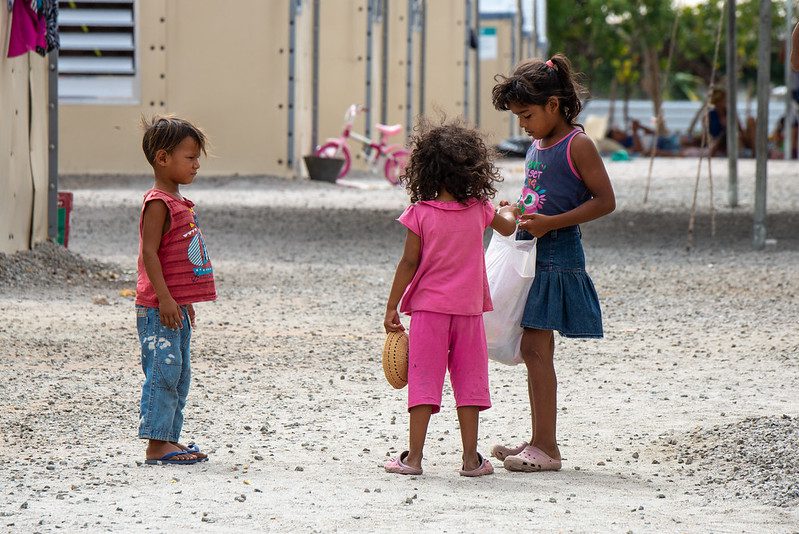
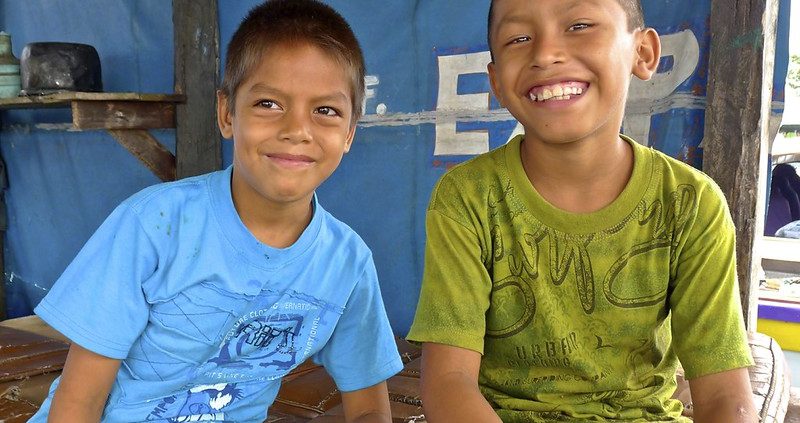
Migration to PeruMigration to Peru has dramatically changed in recent history. Many Peruvians have left the country for better economic opportunities, but Peru has now become one of South America’s major destinations for Venezuelans in search of safety, work and a new life. According to the U.N. Refugee Agency, Peru had 530,369 Venezuelans asylum-seekers and 4,957 formally recognized refugees as of June 2025. These numbers show how migration to Peru has become an important humanitarian and economic issue for the country.

Why Venezuelans Are Migrating to Peru

Venezuela’s economic collapse became one of the main reasons for migration to Peru. In 2017, Venezuela’s annual inflation rate was 438.1%, according to the International Monetary Fund (IMF), making goods and services harder to afford and wages less stable. Inflation, shortages of food, medicine and essential services pushed many Venezuelans to migrate in search of safety and economic stability. Peru became an attractive destination where they could work and have a chance at a new life.

Challenges After Arrival

Despite many Venezuelans arriving in Peru with strong educational backgrounds, many have found it difficult to find jobs that match their qualifications. The Joint Data Center on Forced Displacement reports that 30% of Venezuelans in Peru have a tertiary education, compared with 21% of Peruvians. However, many Venezuelans are working low-productivity jobs, with 40% working in elementary occupations and 26% working in sales and services. This information shows that many Venezuelans are overqualified for their jobs, yet they still cannot find positions that match their degree.

One reason for this mismatch is that many Venezuelans cannot validate their degrees or professional credentials in Peru. The Joint Data Center reports that only 8% of highly educated Venezuelan migrants had validated their educational degrees, with the main barrier being the cost of the process. As a result, skilled Venezuelans may end up in lower-paying or informal work. Some have turned to digital jobs, including food delivery, where Venezuelans make up an estimated 53% of delivery workers.

Discrimination can also make the integration process harder. The Joint Data Center reports that almost one-third of Venezuelans in Peru have experienced some form of discrimination, and the percentage is higher among those with higher levels of education. Public perception can influence access to employment, including false ideas that Venezuelans are taking jobs or increasing crime. These obstacles show that migration to Peru is not only about arrival but also about access to work, legal recognition and social acceptance.

Organizations Helping Migrants Integrate

Organizations such as the U.N. Refugee Agency and Education Cannot Wait have made efforts to support Venezuelans. The U.N. Refugee Agency helps Venezuelans by providing legal protection, documentation and access to basic services. Through protection spaces and partner organizations, UNHCR provides guidance on rights, refugee status, migration procedures and available services. It has also connected Venezuelans with health services, education and employment support. As of 2025, UNHCR had assisted 39,029 people, supported 557 families with case management and provided legal assistance to 2,885 people. These efforts have helped Venezuelans move from emergency survival toward long-term integration in Peru.

Education Cannot Wait has also helped Venezuelans in Peru by supporting children’s access to education. Since 2019, ECW has supported the Government of Peru and national partners through $1.8 million in emergency grants and a $7.4 million Multi-Year Resilience Programme. These programs helped refugee, migrant and host-community children access education, recover from COVID-19 learning loss and stay safe in schools. Its 2024–2027 Multi-Year Resilience Programme aims to reach 50,850 children and adolescents in Metropolitan Lima and La Libertad. The program supports learning recovery, school materials, teacher training, children with disabilities and violence-prevention efforts, helping Venezuelan children continue their education while making schools more inclusive for migrants and local communities.

Looking Ahead

Venezuelans have made Peru their second home, even while facing challenges such as low-productivity jobs, discrimination and difficulty validating their degrees. However, support from the Peruvian government, UNHCR, ECW and other organizations has helped expand access to documentation, education and safer communities. With continued support, migration to Peru can become not only a story of displacement, but also one of recovery, integration and rebuilding lives.

– Mateo Alcocer

Mateo is based in West Hills, CA, USA and focuses on Good News and Politics for The Borgen Project.

Photo: Flickr
May 24, 2026
https://borgenproject.org/wp-content/uploads/borgen-project-logo.svg 0 0 Jennifer Philipp https://borgenproject.org/wp-content/uploads/borgen-project-logo.svg Jennifer Philipp2026-05-24 03:00:092026-05-24 10:45:39Migration to Peru: How Venezuelans Are Rebuilding Their Lives
Economy, Global Poverty, Politics, Refugees and Displaced Persons

Reasons For Venezuela’s Displacement Crisis

Venezuela’s Displacement CrisisSince 2014, Venezuela has faced a major displacement crisis. With limited access to basic rights, food, medicine and other essentials, many Venezuelans have turned to extreme survival strategies, the most common being to flee the country.

Around 8 million people have left Venezuela, making it the world’s second-largest displacement crisis. Of these, about 6.7 million migrants and refugees remain in Latin American and Caribbean countries, with Colombia hosting the largest share at 2.8 million. 

Economic Collapse

Venezuela’s displacement crisis is fundamentally rooted in a devastating economic collapse. Triggered by a perfect storm of plummeting oil prices, mismanaged state policies and weakening sanctions. With oil accounting for 95% of Venezuela’s export earnings, the 2014 collapse in global oil prices wiped out the country’s main revenue stream.

As inflation soared to hyperinflationary heights, with annual rates exceeding 344,510%, Venezuela lost access to essential services. Around 90% of the population cannot afford food, which has led to widespread breakdowns in health and nutrition.

Analysts have described Venezuela’s economy as “free fall,” with GDP shrinking by roughly one-third between 2013 and the mid-2010s. Adding to these pressures, U.S.-led sanctions, described by Tricontinental as “Unilateral Coercive Measures,” have deepened Venezuela’s economic collapse. Between 2017 and December 2024, they wiped out oil revenues equal to 213% of GDP, a staggering loss of more than $200 billion.

This economic failure has forced millions into poverty and desperation. Unable to meet basic needs at home, Venezuelans were compelled to flee in search of security and subsistence, which makes the country’s economic collapse one of the main drivers of its displacement crisis.

Political Instability

Political instability in Venezuela has become a powerful catalyst for Venezuela’s displacement crisis, propelled by authoritarian repression, democratic erosion and systematic violence. Since the July 2024 election, state forces and pro-government colectivos have carried out pervasive abuses and killings. They have enforced disappearances, arbitrary detentions and torture specifically targeting protesters, opposition members and innocent bystanders.

In 2025, Freedom House classified Venezuela as “not free,” citing the collapse of democratic structures and the elimination of dissent, while a recent U.N. Fact-Finding Mission confirmed ongoing crimes against humanity involving political persecution. This political violence has stripped Venezuelans of safety and legal recourse. When peaceful protest leads to detention or disappearance, families see exile as the only option.

The International Organization for Migration’s (IOM) 2025 crisis response cites political persecution alongside all the violence as core drivers of migration. Together, systematic repression and institutional collapse have made political instability a central force behind Venezuela’s displacement crisis.

Human Rights Violations

Human rights violations are another major force behind Venezuela’s displacement crisis, with thousands of people facing violence, mistreatment and fear for their safety. Reports from Amnesty International describe widespread arbitrary arrests, in which individuals are detained without explanation or access to legal support. Many detainees are held in overcrowded, unsanitary conditions, facing beatings, denial of medical care and psychological abuse.

The U.N. Fact-Finding Mission and other human rights groups have also documented enforced disappearances where individuals vanish, being taken away by security forces. This leaves families in a state of uncertainty for weeks or months. The U.K.’s June 2025 Statement to the U.N. Human Rights Council reports more than 900 individuals arbitrarily detained or forced to disappear. Legal safeguards have been gutted, with civil society stifled under “Anti-NGO” legislation.

Moreover, enforced disappearances have continued into mid-2025. Amnesty International reports at least 15 cases of forced disappearances, of which eight remain unsolved. Victims include children, Journalists and everyday citizens who have simply spoken out about shortages, poor services or safety concerns.

These abuses have caused deep emotional trauma, family disruption and a constant climate of fear. For many, the risk of being targeted is so high that leaving Venezuela becomes the only way to protect themselves and their loved ones.

What’s Being Done To Help?

A combination of international agencies, humanitarian organizations and regional governments is leading efforts to address Venezuela’s displacement crisis. Indeed, the U.N. Refugee Agency and IOM coordinate large-scale assistance through regional refugee and migrant response plans. These organizations deliver emergency shelter, food, health care and documentation support to Venezuelans across Latin America and the Caribbean.

Nongovernmental organizations like World Vision and Amnesty International are working to protect vulnerable groups, provide psychological support and ensure displaced children can continue their education. Additionally, the Quito Process, a regional initiative involving more than a dozen countries, is helping harmonize policies on temporary protection status, enabling migrants to work legally and access public services.

With sustained global attention, coordinated aid and fair treatment for those displaced, there is hope to ease the suffering and help millions rebuild their lives beyond the borders of Venezuela.

– Charlie Wood

Charlie is based in West Yorkshire, UK and focuses on Global Health for The Borgen Project.

Photo: Pixabay

August 29, 2025
https://borgenproject.org/wp-content/uploads/borgen-project-logo.svg 0 0 Hemant Gupta https://borgenproject.org/wp-content/uploads/borgen-project-logo.svg Hemant Gupta2025-08-29 07:30:352025-08-29 05:31:33Reasons For Venezuela’s Displacement Crisis
Development, Global Poverty, Migration

Migration to Guyana

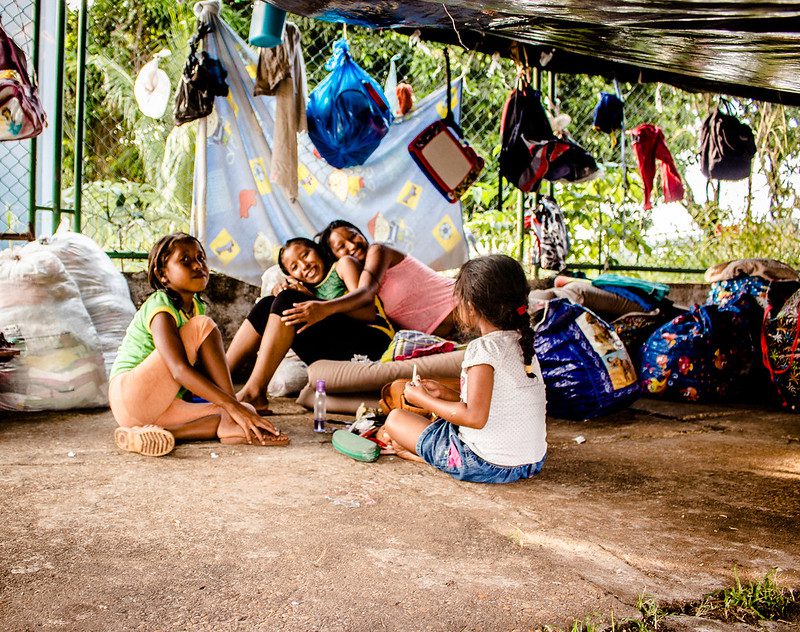
Migration to GuyanaGuyana has entered a pivotal economic development thanks to its emerging oil and gas sector, which increased its gross domestic product (GDP) by 32.2% in 2023 alone. This development has been attracting migrants from neighboring countries, mainly from Venezuela, where a political crisis has caused almost eight million Venezuelans to emigrate abroad. However, migrants in Guyana still face significant barriers to integrating into the workforce and broader society.

An Overview

  • Guyana discovered offshore oil reserves in 2015, with production starting in 2019. With a population of only 800,000 (about one-third of which live below the poverty line), one of the most impoverished countries in South America is now one of the fastest-growing economies in the world. This is making Guyana an attractive destination for economic migrants.
  • Venezuelan political refugees make up the largest migrant group. Many have settled in Guyana’s rural areas, particularly the Indigenous Warao people.
  • Although Guyana offers legal stay permits, health care and education regardless of a migrant’s status, the country is not a signatory of the United Nations’ (U.N.) 1951 Refugee Convention or the Complementary provisions of the International Labor Organization (ILO) Convention on Migrant Workers. This denies Venezuelans refugee status and exposes migrants in Guyana to a greater risk of exploitation and informal work.
  • A Regional Migration Policy for Caribbean countries is set to launch in 2025 to address new migration trends. 

Why Is Migration to Guyana Increasing?

The country’s growing oil and gas sector demands a larger workforce and both Guyanese and foreign nationals respond positively. In the year following the discovery of oil reserves, Guyana experienced more people entering than leaving the country. This trend is set to increase throughout the 2020s. 

Furthermore, the ongoing humanitarian crisis in Venezuela has prompted an influx of forcibly displaced Venezuelans into neighboring Guyana. Venezuelans constitute about 3% of Guyana’s population. Many are fleeing the collapse of their country’s socioeconomic and political infrastructure, seeking relief from poverty and food insecurity.

What Is Life in Guyana Like for Migrants?

Migrants must first apply for a work permit through a work visa. The pre-arrival recruitment process for migrant workers in Guyana typically takes about 90 days. However, the process does not always conform to ethical standards, with some migrants reporting they had to pay to apply for a job. 

Migrants can also request stay permits, subject to renewal every three months. However, these permits do not grant foreign nationals the right to work. The United Nations High Commissioner for Refugees (UNHCR) reports that 23,412 forcibly displaced Venezuelans have received stay permits since 2018. As this figure does not account for undocumented migrants, the number is likely much higher.

Due to these challenges, many migrants work in informal places and thus lack social protection. As the International Organization for Migration (IOM) noted, “The informal economy accounts for a significant amount of employment and livelihood, with official estimates ranging from 45% to 52% of total Guyanese economic activity.” This exposes migrants to labor exploitation and even human trafficking. Informality increases in rural areas where many Indigenous Venezuelans from the Warao community have settled. 

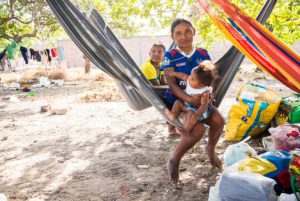
Warao migrants account for 10% of Venezuelan nationals in Guyana. IOM reported in 2023 that 48% of Indigenous Venezuelans had no recognized status in Guyana. This makes them more vulnerable to exploitation in a context where Indigenous Guyanese already face disproportionately high poverty rates. The UNHCR and The New Humanitarian shared that the Warao community faces limited access to food, clean water, sanitation and education. 

Language barriers compound these difficulties as Guyana is the only anglophone country in South America. Additionally, there are escalating tensions between the Guyanese and Venezuelan governments, with Venezuela claiming Guyana’s western Essequibo region. This dispute risks causing friction between Venezuelan migrants and Guyanese citizens.

How Are the Migration Issues in Guyana Being Addressed?

  • A new Regional Migration Policy: The intergovernmental organization Caribbean Community (CARICOM), headquartered in Guyana, is developing a “people-centered” Regional Migration Policy. It aims to “streamline migration processes, enhance security, promote regional development” and improve protection for vulnerable migrant groups. CARICOM member states are set to review the policy in February 2025. 
  • Spanglish Bee: The UNHCR is playing an active role in improving migrant access to education. The annual “Spanglish Bee” competition is held in partnership with the Ministry of Education to improve refugee children’s English and Spanish skills. 
  • Supporting integration: Blossom Inc., a child-protection nonprofit in Guyana, has been collaborating with UNHCR to offer case management services to forcibly displaced children and their caregivers. These aim to develop migrants’ independence in Guyana, including providing information on accessing social services. These services supported 56 children and caregivers from July to September 2024.

Migration to Guyana has the potential to offer many domestic and regional benefits, including boosting the economy and providing refuge for Venezuelans escaping a humanitarian crisis. IOM reported that Guyana must welcome at least 100,000 people into its workforce to maximize its economic growth. Though it is uncertain how migration flows to Guyana will develop in the long term, organizations and world leaders are gradually seizing opportunities for improvement.

– Nesreen Yousfi

Nesreen is based in Watford, Hertfordshire, UK and focuses on Good News for The Borgen Project.

Photo: Flickr
December 24, 2024
https://borgenproject.org/wp-content/uploads/borgen-project-logo.svg 0 0 Hemant Gupta https://borgenproject.org/wp-content/uploads/borgen-project-logo.svg Hemant Gupta2024-12-24 07:30:462024-12-23 11:07:30Migration to Guyana
Global Poverty

NRC Reshaping Education in Venezuela

NRCVenezuela’s vastly underfunded education department reflects the backwardness of the country’s primary and secondary education. In recent decades, nationwide political and economic turmoil has allowed unstable education policy to occur, causing 85% of public schools to lack internet access, 69% to suffer constant electrical shortages and 45% to go without running water. A generation of young Venezuelans are left out of the education system and these academic deficiencies could result in further pulling the population into poverty. To ensure this dismal future does not befall the nation, the Norwegian Refugee Council (NRC), a humanitarian, nongovernmental organization based in Norway, has set up an intricate program to structurally redefine the education system in Venezuela for the good of incoming generations of Venezuelans.

NRC’s Role in Venezuela

The NRC had already identified the beginnings of a protracted crisis in Venezuela when it established its presence in 2005. In 2019, it installed an independent office in Caracas to efficiently deal with the consequences of the worsening political and economic crisis. Such steadfast commitment has made it one of the most prominent NGOs in Venezuela, with an annual budget of $10 million, which helps provide various humanitarian resources to impoverished Venezuelans.

Education Efforts

Educational possibilities are some of the prime resources the NRC provides to the Venezuelan population. The NGO’s concern with education stems from the belief that it bestows a generation of Venezuelans with productive skills that allow them to lift their entire community out of poverty. The NRC education program focuses on returning students to school after lengthy absences. Students often drop out of school due to their inability to afford education, deteriorating school infrastructure, lack of capable teachers and child labor. The NRC individually addresses these issues to ensure that the Venezuelan education system achieves progress in the right direction.

To foster a more welcoming and hygienic environment, the NRC improves the infrastructure in public schools by conducting repairs and introducing innovations that reduce overcrowding, among other things. Teachers receive training to handle high capacity classes and higher academic requirements, enriching the educational experience for Venezuelan students. Educational materials such as stationery supplies, textbooks and field trips are also provided to teachers and students alike, further improving the quality of education and making it more affordable for Venezuelans from impoverished households.

Political Collaboration and Impact

The NRC also works at a political level, collaborating with the Ministry of Education to establish a long term plan to reform primary and secondary education and to ensure student displacement challenges are addressed in Venezuela. Additionally, the NRC provides humanitarian resources such as food, water and livelihoods to the people of Venezuela alongside educational opportunities. Its WASH program has provided water security to more than 37,000 Venezuelans in both private and public spaces, particularly public schools. 

Ultimately, the NRC educational program has helped more than 11,000 Venezuelan children return to school. However, that is only about a fraction of the 1.5 million out-of-school children in the country. Since their work has been so productive in such a short period, NGOs like the NRC deserve more funding from states like the United States (U.S.) to bolster their efforts at reforming education in Venezuela, allowing even more children to learn skills that can lift them out of burgeoning poverty.

Looking Forward

The NRC has been persistent in its efforts, as evidenced by an increase in its funding to $10 million in November 2023. While its path forward has been slow and incremental at times, the organization’s commitment to lifting Venezuelans out of poverty serves as a humanitarian model for similar NGOs.

– Parth Mishra
Photo: Flickr

February 2, 2024
https://borgenproject.org/wp-content/uploads/borgen-project-logo.svg 0 0 Yana Chukur https://borgenproject.org/wp-content/uploads/borgen-project-logo.svg Yana Chukur2024-02-02 07:30:242024-01-31 01:00:49NRC Reshaping Education in Venezuela
Global Poverty

United States’ Intervention in the Venezuelan Refugee Crisis

Venezuelan Refugee CrisisWith over 7.13 million refugees and migrants, the Venezuelan refugee crisis has become the largest external displacement of people in the history of the western hemisphere. Most of the refugees flee from economic hardships and political corruption that’s plagued Venezuela for over 10 years.

Thankfully, many state and non-governmental organizations have stepped in to help out with the crisis. The largest contributor to the humanitarian response, however, is the U.S. State Department. Through its various branches, the State Department gives aid to the refugees, helping to heal the divide between the U.S. and Venezuela.

The Crisis

The origins of Venezuela’s crisis began long before the last few years. Arguably, they go all the way back to when investors found large oil reserves in the country in the 1920s. While their economy grew exponentially due to this discovery, it resulted in an increasing reliance on oil.

Years later, President Hugo Chavez utilized the nation’s oil wealth to expand social services, but also greatly expand his presidential powers to near-dictatorial levels. This is partly responsible for Venezuela’s consistent ranking as one of the most corrupt countries in the world.

Chavez’s successor Nicolas Maduro took power in 2014 and continued to enact corrupt policies while consolidating more presidential power. At the same time, the price of oil declined sharply and the Venezuelan economy declined with it, according to the Council on Foreign Relations (CFR).

Since then, the people of Venezuela have faced an extreme lack of economic opportunity, food scarcity, lack of medical resources, crime and lack of proper housing, giving rise to the Venezuelan refugee crisis. At the same time, they have continually tried and failed to oust their corrupt government from power. Because of all this, millions of migrants and refugees have fled to neighboring countries and other parts of the world.

State Department Aid

Though relations between the government of the U.S. and Venezuela have soured, the State Department is still intent on helping Venezuelans both within their own country and living abroad as refugees.

Since 2017, the U.S. State Department has given more than $2 billion in aid towards the Venezuelan crisis, making it the largest donor in the world. The State Department works through two separate agencies to assist Venezuelans. These are the Bureau of Population, Refugees, and Migration (PRM), which is a subsidiary of the State Department itself, while the other is USAID. While both agencies work closely with each other, each has unique roles in providing aid to refugees all around the world, including the U.S. and Venezuela.

PRM primarily focuses on supporting refugees living outside of Venezuela. Its work helps provide a range of essential services including shelter, health care, water, sanitation, hygiene, education and more. Workers distribute this aid in 17 countries throughout South America, Central America and the Caribbean. PRM also utilizes refugee coordinators to work diplomatically with local government officials.

By contrast, USAID is more focused on helping Venezuelans in Venezuela with the same kind of necessary support PRM provides. However, it also assists refugees living in neighboring countries such as Brazil, Colombia, Ecuador and Peru.

Latest Developments

Thankfully, the U.S. government affirmed its continued support for Venezuelan refugees at the ninth Summit of the Americas in June 2022. There, President Biden announced an additional $314 million in aid to Venezuelan refugees scattered throughout the western hemisphere.

The aid funding goes to both PRM and USAID with the former receiving $103 million and the latter receiving $171 million. An additional $40 million for development was also given to USAID.

And though much work between the U.S. and Venezuela has helped millions of refugees, there is a need for continued action. With time and effort, the State Department’s latest round of aid could alleviate much of the suffering. And if the U.S. and other governments continue to give crucial humanitarian assistance, there is hope that one day, Venezuela’s refugee crisis will be a thing of the past.

–Jonathon Crecelius

Photo: Flickr

June 26, 2023
https://borgenproject.org/wp-content/uploads/borgen-project-logo.svg 0 0 Naida Jahic https://borgenproject.org/wp-content/uploads/borgen-project-logo.svg Naida Jahic2023-06-26 07:30:262023-06-23 04:31:44United States’ Intervention in the Venezuelan Refugee Crisis
Hunger

Everything you need to know about Hunger in Venezuela

Nicknamed “the Maduro diet” after Venezuelan president Nicolas Maduro, hunger in Venezuela is one of the symptoms of their current humanitarian crisis. Once a thriving and one of the most promising economies in Latin America, and home to the world’s largest oil reserves, Venezuela’s current economy is among the worst in the world.
Approximately nine in 10 people live in poverty in the country. This accounts for about a third of Latin America’s poor people. The food security crisis and widespread poverty are the results 0f a decade-long struggle with poor governance.

The State of Hunger in Venezuela

Hunger in Venezuela has been an issue of note in recent years because, in contrast to many other countries, their crisis is a result of food scarcity and years of hyperinflation which has made the most basic needs unaffordable.

Millions have fled the country and about a third of the remaining Venezuelans face food insecurity. In fact, child stunting and overall malnutrition have increased consistently since 2014, and three out of four households are forced to adopt strategies to cope with food shortages. Typically, these strategies involve reducing the size and variety of meals.  

Hyperinflation and its Causes

It all started with a land full of oil. Corruption, a struggling petrostate and an angry electorate served as the ideal scenario for socialist-populist Hugo Chavez, to be elected president in 1998. While he was well received at first, his administration began to centralize power and nationalize industries such as telecommunications, power and agriculture.

This made the economy and many government programs more dependent on the already nationalized oil industry, which would crash once again in the 2010s. Additionally, the centralization of power pulled Venezuela further from democracy into a dictatorship, which would continue after Chavez’s death through Nicolas Maduro’s presidency.

During the first years of his presidency, Maduro attempted to deal with the inherited economic struggles by printing money, which only exacerbated rising inflation. After price controls, exchange rate fixing and tax increases failed to alleviate rising prices, he printed more money again, causing exports to become more expensive, food scarcer and inflation to become hyperinflation. 

These years were the beginning of the “Maduro diet” and rising food insecurity. As hyperinflation skyrocketed between 2014 and 2018, prices of basic goods and exports rose with it, making food scarce and unaffordable.

Political Instability and Its Effects

Venezuela had a problem with violence well before 2014, but with a crippled economy and a hungry population, instability increased along with hyperinflation. The government aimed to take the lead and be the provider of everything Venezuelans needed. However, the poor economy received another blow when the U.S. imposed sanctions on the oil industry, limiting the government’s food aid.

The poor international relations also affected foreign aid, when in 2019, Maduro refused about $60 million worth of humanitarian aid to address health and food insecurity, since Venezuelans aren’t “beggars.” However, 2019 also saw economic improvements after Maduro used more sustainable economic practices, such as limiting spending and relaxing foreign exchange rates.

The COVID-19 Pandemic

In 2020, however, Venezuela along with many other developing countries experienced another economic shock with the COVID-19 pandemic, which inevitably impacted hunger in Venezuela. Companies closed, remittances decreased and people lost their jobs. Unfortunately, this had effects on their ability to afford food once again.

Venezuela began to cooperate with international aid efforts again in 2021. Charities sprung back up, and Maduro signed an agreement with the World Food Programme (WFP) to provide help for 1.5 million children in Venezuela’s poorest regions.

As for the economy, the end of 2022 raised hyperinflation concerns despite a period of a more sustainable economic position due to an increase in demand for dollars, government spending and a weakening of the Bolivar due to the impacts of the pandemic.

Impact of International Efforts

According to a report from Human Rights Watch, the United Nations (U.N.) has initiated a comprehensive plan worth $762.5 million aimed at aiding 4.5 million Venezuelans who are considered the most vulnerable. The plan includes a dedicated allocation of $87.9 million to tackle the health and socio-economic repercussions caused by the COVID-19 pandemic.

Furthermore, the WFP has implemented initiatives aimed at supporting schools in providing rations and improving their infrastructure, hygiene and food services.

Looking Ahead

While Venezuela has experienced difficult times characterized by hyperinflation and rising food insecurity, cooperation with international organizations has helped the country make some progress in recent times. There is still room for much work, especially after the pandemic’s effects, but with better fiscal practices and ongoing foreign aid interventions, there is hope for a hunger-free future.

– Gustavo Gutierrez Nidasio

Photo: Pixabay

June 15, 2023
https://borgenproject.org/wp-content/uploads/borgen-project-logo.svg 0 0 Jennifer Philipp https://borgenproject.org/wp-content/uploads/borgen-project-logo.svg Jennifer Philipp2023-06-15 01:30:542026-04-16 10:21:00Everything you need to know about Hunger in Venezuela
Migration

Venezuelan Refugees and the Risk of Organized Crime

Millions of Venezuelans have been flooding Colombia’s borders for years because of the political and economic instability of their home country. The refugees do not have many options when they first come to Colombia. Several of them resort to sleeping on the streets, in one of the few refugee camps or if they are lucky enough, with family members that migrated earlier.

Many Venezuelan refugees lack primary health care, job opportunities and safe shelter, and this leaves them in the violent areas near refugee camps. Organized crime groups target and exploit the insecurities of the refugees in order to recruit them and lead them into a dangerous lifestyle. They face dangerous and deadly situations and face the risk of persecution and even deportation in order to make ends meet and survive.

Migrant Crisis

The Venezuelan migrant crisis started in 2013 after President Hugo Chavez died from cancer and his Vice President Nicolas Maduro replaced him Protests started due to allegations of election fraud. Years of political instability, recession and hyperinflation and deadly protests have pushed millions of Venezuelans out of their homes in order to find some security and stability.

Colombian Organized Crime

Organized crime has been rampant in Central and South America for years. Also, crime in Colombia is much higher than anywhere else and has recently seen a resurgence. There are multiple dissenting political militias and insurgencies, with Banda Criminales (BACRIM) being one of the leading organized crime groups dealing in “drug trafficking, violence and illegal mining,” alongside sex trafficking.

Organized crime in Colombia is so systemic because the wealth disparity is quite significant, thereby affecting every part of society. The rural areas tend to be poorer and face a lack of education and political disenfranchisement. Gangs and organized crime can easily overrun state control in these areas due to being in control of massive amounts of wealth.

Organized Crime’s Impact on Refugees

BACRIM and other organized crime groups are so powerful. These groups often replace state security forces in rural and poorer areas, becoming the strongest force in many of the border camps where Venezuelan refugees seek asylum.

Many refugees are undocumented and do not know the ins and outs of Colombia’s legal system and organized crime ring, making them vulnerable to crime and recruitment by gangs.

The gangs lure the Venezuelan refugees with promises of food, shelter and work opportunities. The refugees view working for the gang as a lucrative deal, as many of them are undocumented. They end up doing much of the dirty work and often end up as “street fighters, drug dealers and hit men,” while the women end up in forced sex work and suffer abuse, according to the International Crisis Group.

The Venezuelan refugees end up doing the more visible crime which makes them much more susceptible to discrimination and criminal charges. They face extreme amounts of xenophobia among the general public and are often the scapegoat for other unrelated economic or social issues.

Venezuelan refugees also fear deportation. The xenophobia has led to many anti-immigrant political movements and the easiest government response is through deportation, the International Crisis Group reports.

Ongoing Efforts

The economic issues that Colombia faces contribute to the prevalence of organized crime. Many international organizations have offered money as a resource to help with the migrant crisis. For instance, the World Bank has offered $1.6 billion. The World Bank’s support focuses on addressing needs at all levels of government in addition to providing a short-term to medium/long-term humanitarian response.

Other international organizations and groups have focused on providing better resources and equipment to properly house the migrants. The International Rescue Committee (IRC) launched its emergency response team in 2018 in the border city of Cúcuta in an effort to provide support and resources. The IRC is mainly focusing on providing support to women and children refugees through healthcare and maternal care. By 2020, over 87,000 Venezuelans in both Venezuela and Colombia received help.

UNHCR opened a “reception center” in early 2019 along the border between Venezuela and Colombia to provide some safe, temporary housing and other critical resources. The UNHCR has worked on providing documentation to children in addition to other child care and legal services.

Looking Ahead

Efforts from international organizations and groups are providing support and resources to address the challenges faced by Venezuelan refugees in Colombia. The World Bank’s financial assistance and the International Rescue Committee’s emergency response team are helping to meet the immediate needs of migrants, while UNHCR’s reception center offers temporary housing and critical services. These initiatives are aiming to improve access to healthcare, legal support and documentation, particularly for women and children, providing a glimmer of hope and stability for Venezuelan refugees seeking security and a better future in Colombia.

– Kathryn Kendrick

Photo: Flickr

May 25, 2023
https://borgenproject.org/wp-content/uploads/borgen-project-logo.svg 0 0 Jennifer Philipp https://borgenproject.org/wp-content/uploads/borgen-project-logo.svg Jennifer Philipp2023-05-25 01:37:382026-04-16 10:21:01Venezuelan Refugees and the Risk of Organized Crime
Global Poverty, Women's Empowerment

Gender Equality at the Tokyo Olympics

women in the Olympics

The 2020 Tokyo Olympics was highly anticipated for many reasons. One of the most historic reasons is that it was the most “gender-balanced” Olympics in the history of the global competition. With all 206 National Olympic Committees sending “at least one female and one male” athlete from their country, women made up just under half of all competing athletes at the Tokyo Olympics. This Olympics produced many role models for children across the world, but young girls are seeing firsthand the empowerment of women in sports.

Women from across the world broke barriers and became the face of change for women in sports forever. These Olympians left a lasting legacy in their respective sports and represented progress toward gender equality for their home countries. Hundreds of women broke barriers at the 2020 Olympics, but Shelly-Ann Fraser-Pryce, Hend Zaza and Yulimar Rojas were three women whose stories are just as notable as the history they are making.

Shelly-Ann Fraser-Pryce

Earning the nickname “second-fastest woman in history” is no small feat, and Shelly-Ann Fraser-Pryce has left her mark on the world by doing more than just running. Growing up in one of the poorest areas of Kingston, Jamaica, she first discovered the sport by running to primary school every day while barefoot. Fraser-Pryce dedicates her life to more than her sport and has a passion for working with underprivileged kids. Even with a silver medal in the women’s 100m and a gold medal in the women’s 4x100m relay at the 2020 Tokyo Olympics, Fraser-Pryce’s legacy extends beyond the Olympic finish line.

Since 2010, she has served as a UNICEF National Goodwill Ambassador for Jamaica. At the start of the COVID-19 pandemic, she coordinated a fundraiser through her resource center, The Shelly-Ann Fraser-Pryce Resource Centre in Waterhouse. As a result, the Centre supplied computers to allow education to continue during the pandemic for local children. Shelly-Ann Fraser-Pryce is a role model to more than just girls hoping to run as fast as her one day. She also proves to underprivileged kids with upbringings similar to hers that anything is possible when it comes to achieving your dreams.

Hend Zaza

Hend Zaza was the youngest person competing in the 2020 Tokyo Olympics and was also the youngest since the 1992 Barcelona Olympics. At 12 years old, the Syrian native left a mark on the world as a table tennis prodigy with invitations to train in China by the Chinese Olympic Committee. Zaza did not have a conventional upbringing, being born just two years before the civil war began in Syria.

Because of the conflict in Syria, it was difficult for Zaza to train or even travel between cities. Another barrier for Zaza was the lack of funding for competitions and equipment, like paddles and balls. This left her competition experience limited before her qualification for the 2020 Tokyo Olympics. Her training for the Olympics occurred primarily at the Al Faiha Club in Damascus. With little or no air conditioning and frequent power outages, Zaza defeated many odds to make strides at the Olympics. While Zaza did not receive an Olympic medal this time around, her mark on the sport of table tennis and the story of her determination and passion will last for many years.

Yulimar Rojas

Awarded Female Athlete of the Year by World Athletics, Yulimar Rojas makes history as the first Venezuelan woman to win this honor. Rojas won the gold medal while breaking the world record for the women’s triple jump at the 2020 Tokyo Olympics.

Born in a rural and poorer region of Venezuela’s capital Caracas, Rojas grew up in a house known as a “ranchito.” Aside from her impoverished upbringing, Yulimar Rojas was originally not allowed to compete and travel to international competitions due to her father’s disapproval. The societal standard of women competing in sports is a hurdle athletes like Rojas fight to overcome. Venezuela has a long way to go when it comes to gender equality, but Rojas continues to push for her change through her life and impressive athletic career.

The 2020 Tokyo Olympics brought the world together during an unprecedented time. The women on this global stage were not just sources of empowerment to girls who look up to them. They were also representatives of resilience, passion and drive for the world. Gender equality and women’s representation in the 2020 Olympics is just another reason these historic few weeks were something to remember for generations to come.

– Annaclaire Acosta
Photo: Wikimedia Commons

September 18, 2021
https://borgenproject.org/wp-content/uploads/borgen-project-logo.svg 0 0 Lynsey Alexander https://borgenproject.org/wp-content/uploads/borgen-project-logo.svg Lynsey Alexander2021-09-18 07:30:362021-09-12 11:44:45Gender Equality at the Tokyo Olympics
Food Insecurity, Global Poverty

Food Insecurity in Venezuela

Food Insecurity in VenezuelaAccording to the World Food Programme’s 2019 report, in the current Venezuelan economy, food insecurity has brought approximately 2.3 million Venezuelans into extreme poverty. Thankfully, international organizations are coming in to help mitigate this reality.
Food Insecurity and Poverty in Venezuela

Andres Burgos wakes up around 3 a.m. every day to prepare arepas: the Venezuela staple of cornbread. After filling his backpack, he rides his bicycle through the streets of Caracas, Venezuela. He looks for people prying into trash bags for food and offers them this bread stuffed with ham, cheese or vegetables. There are many others like Burgos that do the same in Venezuela’s major cities.

According to the Food and Agricultural Organization of the United Nations (FAO), levels of food insecurity are higher in 2021 than in the WFP study from 2019. In the same line of analysis, ENCOVI, a group of national universities, conducted a survey that concluded 74% of Venezuelan households face extreme poverty and food insecurity.

Due to the economic situation in the country, the pattern of consumption has forced the fragile population to change diet habits. Individuals are forced toward consuming more carbohydrates such as rice, pasta and beans. Items including meat, fish, eggs, cheese and vegetables are often too expensive for this sector of society. This type of diet leads to chronic malnutrition.

Addressing Food Insecurity in Venezuela

Numerous organizations are advocating to improve the lives of Venezuelans in need. Recently, Executive Director of the WFP David Beasley arrived in the country to set up the program: The Venezuela Humanitarian Response Plan with Humanitarian Needs Overview 2020. The goal is to reach out to the most vulnerable populations and include them in the program’s three objectives: to ensure the survival and well-being of the most vulnerable, to continue sustaining essential services and strengthening resilience and livelihoods and to strengthen institutional and community mechanisms to prevent, mitigate and respond to protection risks

Cuatro Por Venezuela Foundation is another organization that collects funds with the goal of empowering vulnerable Venezuelans with the skills to provide for their own needs and ultimately improve their quality of life. Programs include a health program, a nutrition program and an empowerment program. The health program provides medicine and supplies and hosts educational health drives. The focus of the nutrition program is providing food staples, including formula, to orphanages, nursing homes, schools, hospitals and organizations that cook for the homeless. Additionally, the empowerment program offers training for success in micro-business and funds educational programs centered around children’s creativity, social dialogue and use of their free time.

GlobalGiving is a website that hosts groups and organizations that are collecting funds for a variety of social programs. This one site offers the ability to donate to programs targeting a large spectrum of vulnerable individuals, including the food insecure in Venezuela. Likewise, Alimenta la Solidaridad is an organization that develops sustainable solutions to the food security challenges of Venezuelan families. The organization promotes community organization and volunteer work as a way to provide daily lunches to children at risk of or experiencing a nutritional deficiency as a result of the complex humanitarian crisis.

These organizations are just a handful from the vast number working toward helping the most vulnerable populations of Venezuela who are facing food insecurity and poverty.

– Carlos Eduardo Velarde Vásquez
Photo: Flickr

May 19, 2021
https://borgenproject.org/wp-content/uploads/borgen-project-logo.svg 0 0 Kim Thelwell https://borgenproject.org/wp-content/uploads/borgen-project-logo.svg Kim Thelwell2021-05-19 01:31:312024-12-13 18:02:29Food Insecurity in Venezuela
Global Poverty, Humanitarian Aid, USAID

Humanitarian Crisis: Vital Relief to Venezuela

Vital Relief to VenezuelaThe country of Venezuela has an economy that is extremely reliant on its oil sales. About 99% of its exports come from the sale of oil. The natural resource also takes up a quarter of Venezuela’s GDP. Such high reliance on this resource has caused the country economic hardship in recent years. The GDP of the nation shrank by two-thirds between 2014 and 2019. The struggling economy has been devastating for the citizens of Venezuela. It has caused five million Venezuelans to leave the country and flee to neighboring ones. As of 2020, 96% of Venezuela’s population live in poverty when measured solely according to income levels. Despite the dire situation in Venezuela, countries and organizations are trying to deliver vital relief to Venezuela.

USAID’s Assistance

USAID is working on behalf of the United States to provide aid that Venezuelans so desperately need.USAID has provided more than $1 billion in humanitarian aid to vulnerable Venezuelan communities. The monetary aid is used by NGOs and organizations to assist the Venezuelan people. The assistance these groups provide includes food, health and sanitation supplies. The COVID-19 pandemic that has swept across the world has worsened the situation for many Venezuelans. On top of the severe economic situation, Venezuelans are now dealing with the impact of a pandemic a well. USAID has adapted its efforts to help Venezuelans during COVID-19. The funding of USAID has allowed affiliated partners to provide important healthcare assistance for the delivery of vital relief to Venezuela.

The European Union Helps Venezuela

The European Union (EU) has been active in providing support for Venezuela in these trying times. Since 2018, the European Union has provided a total of €156 million to not only Venezuela but to the neighboring countries that Venezuelans have fled to. Similar to the way aid from USAID is carried out, the EU’s funding goes to partners that then use it to help the Venezuelan people. The partners of the EU include multiple U.N. agencies, international NGOs and the Red Cross. The partners of the EU provide the same type of assistance the USAID’s partners do. However, the EU notes that much of the supplies go to groups that are especially at risk. These groups include children that are under the age of 5, the elderly and the indigenous people of Venezuela. The EU also provided enough aid for 500,000 Venezuelan people in response to the COVID-19 pandemic. The monetary support of the EU continues to help in providing vital relief to Venezuela.

NGOs Assisting Venezuela

Other small NGOs in Venezuela are trying to provide help to Venezuelans as well. Fundación Madre Luisa Casar, for example, has secured multiple donations to provide support to the Jenaro Aguirre Elorriaga School that is located in the slum called Barrio 24 de Marzo. Its goal is to make sure that the children are provided the education and human rights they need.

Hogar Bambi Venezuela also helps children under 18 who are unable to live with their families due to abuse, mistreatment or economic difficulties. These two NGOs are just a few of many that are making vital relief in Venezuela possible.

With all the humanitarian aid coming in to provide vital relief to Venezuela, it is hopeful that the country will soon be on its way to recovery.

– Jacob. E. Lee
>Photo: Flickr

February 12, 2021
https://borgenproject.org/wp-content/uploads/borgen-project-logo.svg 0 0 Yuki https://borgenproject.org/wp-content/uploads/borgen-project-logo.svg Yuki2021-02-12 00:59:092021-02-12 00:59:09Humanitarian Crisis: Vital Relief to Venezuela
Page 1 of 512345

Get Smarter

  • Global Poverty 101
  • Global Poverty… The Good News
  • Global Poverty & U.S. Jobs
  • Global Poverty and National Security
  • Innovative Solutions to Poverty
  • Global Poverty & Aid FAQ’s
Search Search

Take Action

  • Call Congress
  • Email Congress
  • Donate
  • 30 Ways to Help
  • Volunteer Ops
  • Internships
  • Courses & Certificates
  • The Podcast
Borgen Project

“The Borgen Project is an incredible nonprofit organization that is addressing poverty and hunger and working towards ending them.”

-The Huffington Post

Inside The Borgen Project

  • Contact
  • About
  • Financials
  • President
  • Board of Directors
  • Board of Advisors

International Links

  • UK Email Parliament
  • UK Donate
  • Canada Email Parliament

Get Smarter

  • Global Poverty 101
  • Global Poverty… The Good News
  • Global Poverty & U.S. Jobs
  • Global Poverty and National Security
  • Innovative Solutions to Poverty
  • Global Poverty & Aid FAQ’s

Ways to Help

  • Call Congress
  • Email Congress
  • Donate
  • 30 Ways to Help
  • Volunteer Ops
  • Internships
  • Courses & Certificates
  • The Podcast
Scroll to top Scroll to top Scroll to top