• Link to X
  • Link to Facebook
  • Link to Instagram
  • Link to TikTok
  • Link to Youtube
  • About
    • About Us
      • President
      • Board of Directors
      • Board of Advisors
      • Financials
      • Our Methodology
      • Success Tracker
      • Contact
  • Act Now
    • 30 Ways to Help
      • Email Congress
      • Call Congress
      • Volunteer
      • Courses & Certificates
      • Be a Donor
    • Internships
      • In-Office Internships
      • Remote Internships
    • Legislation
      • Politics 101
  • The Blog
  • The Podcast
  • Magazine
  • Donate
  • Click to open the search input field Click to open the search input field Search
  • Menu Menu

Tag Archive for: USAID

Information and news about mobile technology

Posts

Food & Hunger, Food Security, Global Poverty

Protecting Nutrition Security in Rwanda amid USAID crisis

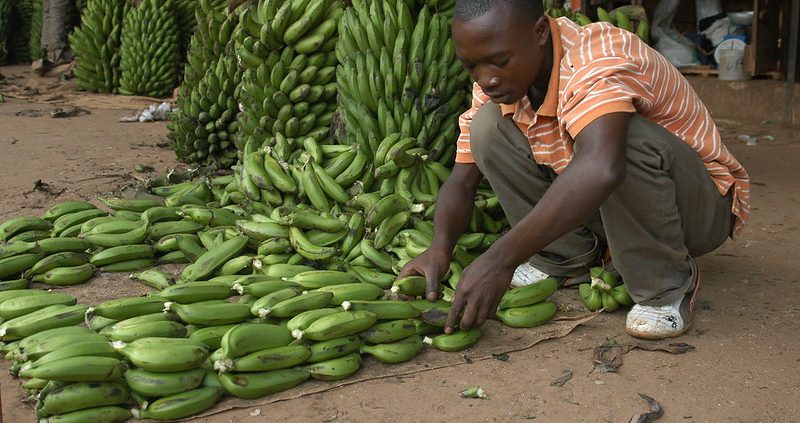
Nutrition Security in RwandaFrom receiving approximately $12.7 billion from USAID grants in 2024, to the slashing and the cancelling of USAID programs in 2026, Africa faces reductions in multiple life-saving programs focusing on HIV/AIDS, malaria, maternal and child health and nutrition.

In sub-Saharan Africa, more than 55 million people face severe food shortages, and more than 13 million children could suffer severe malnutrition. Across the region, Nigeria, Chad, Cameroon and Niger are the most affected by the cancellation of nutrition programs, with malnutrition levels inching towards critical and mortality rates among children skyrocketing. Rwanda also faces similar challenges due to the cuts in USAID; however, they are positioned better than neighbouring countries. Proactive planning, policy implementation, health services and nutrition programs underlay the long-term efforts towards nutrition security in Rwanda, enabling them to withstand the shocking blow of aid cuts.

The Long-Term Plan to Establish Nutrition Security in Rwanda

Rwanda’s government has taken a proactive, autonomous approach to direct foreign aid into investing and developing its own aid programs. This ensured the maximum and most efficient use of the foreign aid provided, and Rwanda used this to build a long-term nutrition security plan that cushioned the country during the aid cuts.

Rwanda’s National Food and Nutrition Policy served as a basis for the strategic plan from 2013 to 2018, including a framework for fortified foods for mothers and children, school milk programs, and community awareness campaigns, including the following programs, which have delivered results amid the aid crisis.

Shisha Kibondo

This program saw the local production of a range of nutrient-dense fortified blended food (FBF) products under the brand Shisha Kibondo. These supplements are freely distributed among children younger than 2 years. Pregnant mothers also receive a locally produced maize-corn flour blend with a vitamin/mineral premix. The FBP distribution has contributed to the reduction in child stunting from 33% in 2020 to 27% in 2025, and an overall increase in food security among Rwanda’s households, enabling more than 80% of them to get three meals a day. This data has been uninterrupted by disruptions due to the global pandemic or the aid cuts.

Iron Beans

Iron deficiency is prevalent among Rwandans. Notably, 19% of pregnant women and 37% of the children under the age of 5 suffer from iron deficiency anaemia. To specifically combat these numbers, the Rwanda Agriculture Board and the International Centre for Tropical Agriculture, in partnership with HarvestPlus, introduced iron-fortified bean varieties to Rwandan farmers and provided them with training for suitable agricultural practices. They also worked with the private sector to scale up production and delivery of the iron beans. The ministries of Education and Agriculture have encouraged adding these iron beans to school feeding programs. These iron beans quickly reduce iron deficiency and anaemia among consumers, and enhance their cognitive and physical capabilities.

Feeding Programs

Among multiple school feeding programs, the National Early Childhood Development Programme funded the “One Cup of Milk per Child” program, ensuring pre-primary and primary students receive milk servings two times a week across 19 districts in Rwanda. The overall aim of the program was to improve the nutritional status of students and to encourage them to pursue their education. These feeding programs helped reduce dropout rates among the children, with dropout rates declining by half since 2021 and encouraged students who previously left school to return and pursue their education.

Nutrition and Hygiene Awareness Programs

Community Health Workers (CHW) are responsible for providing health care services within the community. CHWs also implement nutritional interventions, train and educate parents and caregivers in proper nutrition and hygiene practises, and regularly monitor and support households at risk. The CHW network helps contribute to the decline in stunting among children and the reduction of mortality rates among children and pregnant women. While families benefit from CHWs’ guidance, they are sometimes unable to implement the required recommendations and may need additional resources and support to protect their families from nutrition-related tragedies.

By investing in nutrition security in Rwanda, the government was able to maintain core services and protect its citizens, while its neighbours bore the brunt of aid cuts. As the effects of aid cuts continue to ripple across the region, Rwanda’s model of self-sufficiency offers a blueprint for cultivating permanent systems instead of fostering reliance and dependency.

– Nishtha Mahendra Kumar

Nishtha is based in London, UK and focuses on Global Health for The Borgen Project.

Photo: Flickr

May 1, 2026
https://borgenproject.org/wp-content/uploads/borgen-project-logo.svg 0 0 Naida Jahic https://borgenproject.org/wp-content/uploads/borgen-project-logo.svg Naida Jahic2026-05-01 01:30:332026-05-08 05:06:32Protecting Nutrition Security in Rwanda amid USAID crisis
Global Poverty, Government, Politics

International Partnerships & Poverty Reduction Policy in Egypt

Poverty Reduction Policy in EgyptInternational diplomacy usually operates behind closed doors. However, it plays an invaluable role in shaping poverty-reduction strategies in nations, including Egypt. International partnerships frequently influence the funding, structure and sustainability of these efforts, while domestic ministries implement social protection programs and economic reforms.

Development initiatives with multilateral institutions and bilateral partners help align reform agendas with poverty reduction objectives, especially during periods of economic transition. The Borgen Project spoke with a senior Egyptian diplomat with direct experience in international development negotiations, who requested anonymity due to the sensitivity of his position. According to the diplomat, poverty reduction in Egypt depends not only on domestic policy choices but also on sustained international engagement.

“Egypt works closely with international partners such as the UNDP, JICA and USAID to support reform programs and strengthen social safety nets aimed at alleviating poverty,” the diplomat told The Borgen Project in an interview.

Diplomacy and Development Financing

International negotiations often determine how development financing supports poverty-focused reforms. Egypt has engaged with institutions such as the World Bank and the International Monetary Fund (IMF) during economic reform periods, particularly when implementing fiscal adjustments and structural reforms. These negotiations generally include commitments to protect vulnerable populations. 

Development financing packages often integrate social protection measures to help low-income households avoid the harsh economic shocks associated with inflation, subsidy reforms or currency adjustments. The diplomat emphasized that development discussions extend beyond budget allocations. “When we negotiate with international institutions, we are not only discussing fiscal targets. We are also discussing how to protect low-income households and ensure reform does not increase vulnerability,” they said. 

According to the World Bank, Egypt has expanded targeted social protection programs in recent years, including conditional cash transfer initiatives and food subsidy reforms designed to shield vulnerable populations during economic transitions.

UNDP and Institutional Reform

The United Nations Development Programme (UNDP) supports Egypt by strengthening governance systems and improving public service delivery. UNDP Egypt specifically focuses on inclusive growth and sustainable development frameworks. By improving administrative systems and strengthening monitoring mechanisms, UNDP-supported reforms enhance the efficiency and reach of social safety nets. 

These improvements ensure that poverty reduction programs better target low-income households. The diplomat explained that institutional reform plays a central role in poverty policy. “Effective poverty reduction depends on strong institutions. Through cooperation with the UNDP, Egypt has worked to modernize administrative systems that support social protection programs,” they said.

Bilateral Cooperation With Japan and the United States

Egypt’s diplomacy also includes partnerships with bilateral development agencies such as the Japan International Cooperation Agency (JICA) and the United States Agency for International Development (USAID). JICA supports Egypt through infrastructure investment, vocational training and economic modernization projects. Workforce development initiatives increase employment opportunities, especially for youth and low-income workers. Such initiatives positively affect poverty reduction outcomes. 

USAID’s Egypt portfolio includes programs focused on economic growth, entrepreneurship, financial inclusion and education. By promoting small business development and strengthening local governance, USAID-supported initiatives aim to improve long-term economic stability. The diplomat described these partnerships as complementary to domestic reforms. 

“Our discussions with partners like Japan and the United States focus on aligning development cooperation with Egypt’s social protection and economic reform priorities,” they said. By mobilizing external expertise and financial resources, diplomatic engagement strengthens Egypt’s capacity to expand social safety nets and economic opportunity programs.

Poverty, Stability and Regional Implications

Poverty reduction and policy within Egypt carry broader regional implications. Economic vulnerability can increase social tensions, migration pressures and instability. International development partners often frame poverty reduction as both a humanitarian objective and a stabilizing strategy.

Research from international institutions indicates that countries experiencing high economic vulnerability face greater risks of social unrest and forced migration. Diplomatic cooperation, therefore, plays a preventative role by supporting reforms that reduce long-term instability. The diplomat noted that poverty policy frequently intersects with regional security considerations. 

They shared that “reducing poverty strengthens resilience at both the national and regional levels. Stable communities are less vulnerable to economic shocks and instability.” By integrating social protection with economic reform, international partnerships aim to balance fiscal sustainability with inclusive development.

Implementation Challenges

Despite progress, translating diplomatic agreements into effective domestic outcomes remains complex. Administrative capacity constraints, regional disparities and economic volatility continue to challenge implementation. International support can strengthen systems, but long-term poverty reduction depends on sustained political commitment and institutional development within Egypt itself.

The diplomat acknowledged these limitations. According to them, “Diplomacy can mobilize resources and technical expertise, but domestic implementation determines long-term impact.” Ensuring that social safety nets reach the most vulnerable households requires continued investment in data systems, targeting mechanisms and public service delivery.</span>

Looking Ahead

International partnerships continue to shape poverty-reduction policy in Egypt by influencing financing decisions, institutional reforms and program design. While domestic policy drives implementation, diplomacy plays a key role in mobilizing resources, aligning priorities and strengthening social safety nets. As Egypt navigates ongoing economic reform and regional uncertainty, sustained diplomatic engagement with multilateral and bilateral partners will remain central to reducing poverty and promoting inclusive growth.

– Hana Abulkheir

Hana is based in London, UK and focuses on Global Health and Politics for The Borgen Project.

Photo: Unsplash

April 21, 2026
https://borgenproject.org/wp-content/uploads/borgen-project-logo.svg 0 0 Hemant Gupta https://borgenproject.org/wp-content/uploads/borgen-project-logo.svg Hemant Gupta2026-04-21 01:30:162026-04-21 01:34:36International Partnerships & Poverty Reduction Policy in Egypt
Aid, Global Poverty, Health

Inside the $1.2 Billion US–DRC Health Partnership

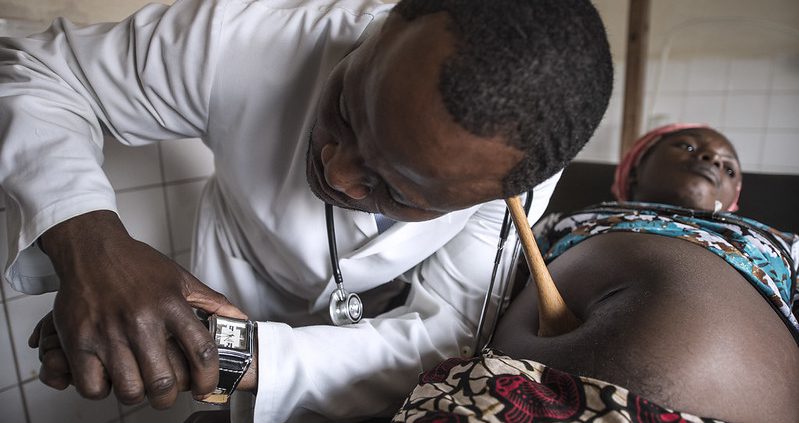
U.S.–DRC Health PartnershipOn Feb. 26, 2026, the United States (U.S.) and the Democratic Republic of the Congo (DRC) signed a $1.2 billion health cooperation Memorandum of Understanding (MoU). This is the latest bilateral agreement between the U.S. and more than a dozen African countries following significant aid cuts and the dismantling of the United States Agency for International Development (USAID). The deal aims to support the DRC in its efforts to fight HIV/AIDS, malaria, tuberculosis and other infectious diseases. However, while the DRC has embraced the agreement, a number of other African countries have declined similar deals after raising questions about what may be required of them in return.

What the Deal Could Mean for the DRC

The partnership spans from 2026 to 2031, with $900 million in targeted U.S. government assistance and $300 million in gradually increased domestic health expenditure from the DRC government.

The DRC’s volatile history means that despite progress in recent years, the national health system continues to face significant challenges. Disparate access to health care, a shortage of medical personnel and damage to health infrastructure caused by ongoing conflict are not issues that can be resolved through short-term emergency funding.

Substantial long-term investment aimed at expanding and stabilizing the DRC’s health system could therefore present an opportunity. Beyond supporting the fight against infectious diseases, the deal also aims to strengthen maternal and child health services, improve national epidemiological surveillance and enhance preparedness and response to health emergencies. If implemented effectively, it could represent progress in addressing recurring public health emergencies.

Concerns Surrounding the Agreements

Before Donald Trump came into office, USAID previously provided health grants to many of the African countries that have now entered bilateral agreements. These funding routes were closed under the Trump administration due to concerns that aid channeled through nongovernmental organizations (NGOs) resulted in high overhead costs. However, while the new deals involve substantial U.S. investment, they represent an average 40% decrease in the health funding these countries received from the U.S. over the previous five years.

Moreover, despite promoting the goal of encouraging countries to match donor funds and reduce dependence on aid, certain elements of the MoUs have been labeled “exploitative” by several African countries.

Zimbabwe’s government declined a similar deal with the U.S. over concerns about national data protection. In exchange for U.S. funding, the proposed agreement involved extensive U.S. access to Zimbabwean health data without any guarantee of access to medical innovation such as vaccines or treatments. As explained by government spokesperson Nick Mangwana, Zimbabwe would “provide the raw materials for scientific discovery without any assurance that the end products would be accessible” to its population in the event of a health crisis.

For similar reasons, Kenyan courts suspended implementation of a $2.5 billion health aid deal with the U.S. last December after complaints about the potential sharing of Kenyans’ personal medical records under the agreement.

For the U.S., these deals also offer a way to support American pharmaceutical companies in developing and producing vaccines. In addition, distributing aid through bilateral agreements allows the administration to bypass multilateral aid frameworks that traditionally distribute decision-making power across donors and recipient countries.

Reasons for the DRC’s Acceptance

Despite concerns raised by other governments, the Democratic Republic of the Congo may view the agreement through a different strategic lens. The country faces one of the highest infectious disease burdens in Africa, including persistent outbreaks of Ebola, measles and cholera alongside high rates of malaria and tuberculosis.

Combined with ongoing conflict in eastern provinces and decades of underinvestment in public health infrastructure, these pressures have left the national health system heavily dependent on external support.

For Kinshasa, the scale and stability of the U.S. commitment may outweigh potential concerns surrounding oversight provisions. The agreement promises sustained investment over a five-year period and requires increased domestic spending, potentially helping stabilize long-term health financing rather than relying on short-term emergency interventions. In addition, strengthening diplomatic ties with Washington may carry broader strategic benefits for a government navigating regional insecurity and economic constraints. In this context, the deal may represent not only a health partnership but also an effort to secure critical resources for a fragile health system.

Looking Ahead

The U.S.–DRC health partnership illustrates the evolving nature of global health diplomacy. For the DRC, the agreement offers an opportunity to strengthen disease surveillance, expand health care services and build resilience against future outbreaks. At the same time, the hesitation shown by other countries highlights the balance between securing vital funding and protecting national sovereignty over sensitive health data and research resources.

– Andrew Geddes

Andrew is based in Edinburgh, Scotland and focuses on Global Health for The Borgen Project.

Photo: Flickr
March 16, 2026
https://borgenproject.org/wp-content/uploads/borgen-project-logo.svg 0 0 Precious Sheidu https://borgenproject.org/wp-content/uploads/borgen-project-logo.svg Precious Sheidu2026-03-16 01:30:512026-03-15 01:03:10Inside the $1.2 Billion US–DRC Health Partnership
Foreign Aid, Global Poverty, Humanitarian Aid

Foreign Aid to Ethiopia

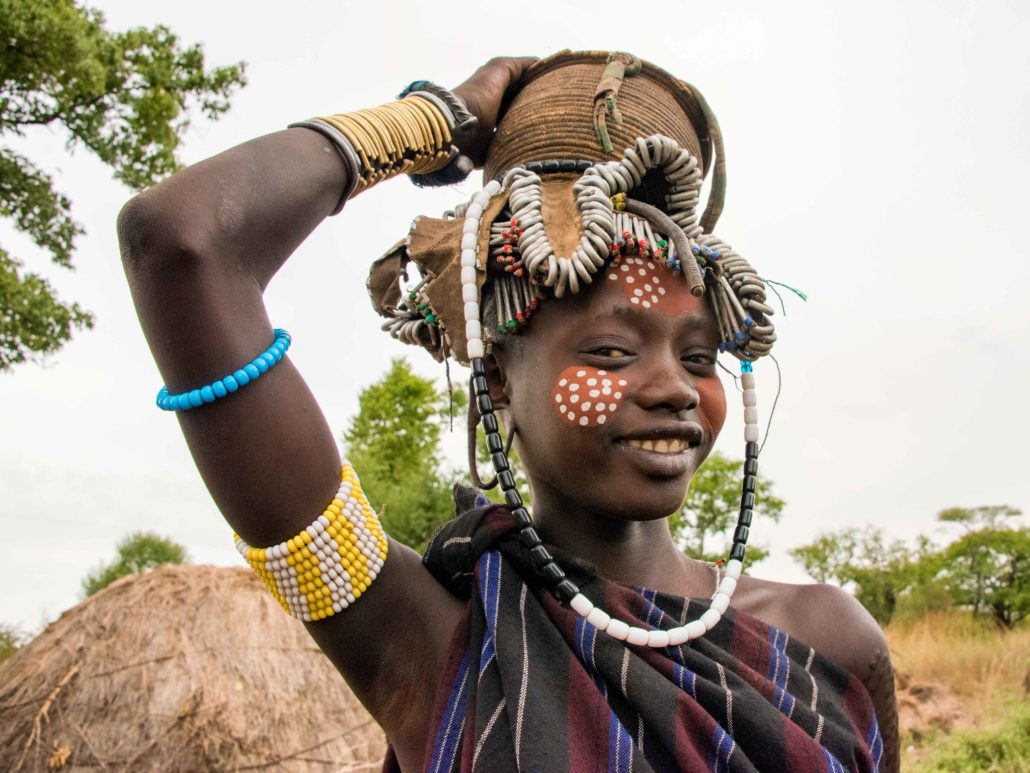
Foreign Aid to EthiopiaEthiopia remains one of the poorest countries in the world. Despite decades of foreign aid from as far back as the Cold War, the World Bank expects that 43% of its 138-million-person population is living below the poverty line of $3 per day. As much as 72% of the country lives without reliable education, health care or basic services, presenting immense challenges to people in rural and urban areas alike. However, with global politics constantly evolving, a growing number of nations and independent organizations have begun to help lift this developing nation above the line of poverty. Here is more information about foreign aid to Ethiopia.

Ethiopia’s History With Aid

The United States and Ethiopia have long held an important bilateral relationship in terms of aid. This east African country has consistently stood among the top recipients from the U.S, and the U.S. has consistently been its top donor. However, the U.S. Agency for International Development (USAID) paused its foreign aid to Ethiopia in 2023, following reports that large amounts were being diverted away from the residents who relied on it and resold locally. The agency oversaw reforms in the distribution of its aid that year, allowing its vital efforts to continue its life-saving work. The assistance that USAID provided has helped reduce AIDS-related deaths by 79% and supplied locals with essential testing materials and medication kits.

As the U.S. continues to taper its contribution, other key actors are met with the responsibility of filling in its role. The World Food Programme (WFP) is a leading international organization in distributing humanitarian aid to those who most need it, regardless of political tension. Conflict, drought and rising food prices have displaced an alarming number of men, women and children without stable food supplies, making emergency assistance essential for survival. In 2024, the WFP detailed its plan to support 1.9 million high-risk Ethiopians and a further 1 million refugees through its assistance. Its unique initiatives involve optimizing and protecting harvests by providing seed inputs, expanding market access and preventing post-harvest loss.

Impact of the Humanitarian Efforts

The $1.3 billion in U.S. foreign aid to Ethiopia in 2024 has helped drive Ethiopians through periods of immense strain in several regions. The combination of armed conflict and a multi-year drought has proved challenging for tens of millions of residents, but the country has not gone without external aid. The vast majority of the U.S. donation—$831 million—was humanitarian, supporting emergency food distribution, malnutrition treatment for children and mothers and school meals for children in displaced communities. Smaller portions went toward long-term economic development, pro-democratic governance and stabilizing efforts like education and the environment.

Wealthy nations are not the only actors in the fight for global development. The International Rescue Committee (IRC), a humanitarian nonprofit that Albert Einstein helped create, is one of many independent organizations working to alleviate the country’s refugee crisis. Ethiopia accepts more than 1 million refugees and asylum seekers from neighboring nations, making it one of the world’s largest refugee hosts. Since 2000, the International Rescue Committee has played a decisive role in supporting vulnerable residents and refugees in the region, especially for women and children.

The Future of Funding

As the United States cuts back on large amounts of its foreign aid to Ethiopia and other countries, European and international bodies are placing a greater emphasis on humanitarian efforts in the area. The European Union has offered about $700 million to support the developing nation through 2027, focusing on development that promotes conflict resolution, governance and peacebuilding. Denmark has pledged a further $238 million sum over five years in bilateral grants, marking efforts to support sustainable growth amid waning U.S. assistance.

The WFP has outlined five goals for its operations in Ethiopia, each underscoring the importance of long-term solutions rather than solely monetary contribution. Among these, they hope to see crisis-afflicted populations gain “strengthened livelihoods supported by resilient food systems that enable them to withstand multiple shocks and stressors.” The primary aim of the WFP is in developing social and political systems in the country that allow residents to thrive despite unexpected conflict or natural disaster.

– Jayhan Adhi

Jayhan is based in Chicago, IL, USA and focuses on Business and Politics for The Borgen Project.

Photo: Flickr
February 27, 2026
https://borgenproject.org/wp-content/uploads/borgen-project-logo.svg 0 0 Jennifer Philipp https://borgenproject.org/wp-content/uploads/borgen-project-logo.svg Jennifer Philipp2026-02-27 03:00:532026-02-26 00:38:58Foreign Aid to Ethiopia
Foreign Aid, Global Poverty, Humanitarian Aid

Foreign Aid to Kashmir

Foreign Aid to Kashmir
Kashmir is the United Nations’ longest ongoing, unresolved area of conflict, dating back to 1948. Today, three nuclear powers share occupation of the land. India controls 48% of the territory, Pakistan runs 35% and China covers 17%. About 40% of the population lives below the poverty line, according to the Kashmir Welfare Foundation.

On both ends of the highly-militarized area, Kashmiri people are subject to several human rights violations, including restrictions on political freedom and the systemic discrimination of religious minorities. Around 70,000 people have been killed in the midst of the conflict over the last 29 years alone.

Aside from the political turmoil, Kashmir is also prone to fatal natural disasters, such as earthquakes and floods. The lack of infrastructure, industries, access to education and proper health care in Kashmir prolong the territory’s recovery from these catastrophes and keep its people in poverty. Foreign aid to Kashmir is a significant component in rebuilding its infrastructure and supporting its civilians, caught in the crossfire between governments.

US Humanitarian Aid

In 2014, monsoon floods devastated Kashmir, killing more than 460 people, displacing 1 million and shoving several more into poverty. This flood was the worst Kashmir has seen in 100 years, as it severely damaged the agriculture, trade, infrastructure and tourism industries in the area. The Indian government provided relief, but it failed to reach 300,000 people and aid-workers called the efforts inadequate. In response, the U.S. provided $250,000 in foreign aid to Kashmir. This included sending humanitarian relief to NGOs in India through the U.S. Agency for International Development (USAID). The NGOs then used the aid to provide general supplies and temporary shelters for those who lost their homes.

After an earthquake erupted across Kashmir in 2005, the aftermath took the lives of 47,000 people, left more than 2 million without shelter and displaced another 2 million. The U.S. sent $510 million towards reconstruction and humanitarian relief efforts, with more than 1,000 American personnel on the ground.

Helicopters and U.S. military flights delivered more than 13,500 tons of resources, including medical supplies, food, materials for shelter and rescue equipment. The U.S. also evacuated 18,600 earthquake survivors and provided medical treatment to around 35,000 civilians.

Today, the U.S. is still Kashmir’s largest foreign government donor for relief. The other largest foreign aid donations to Kashmir come from non-government humanitarian organizations.

European Union Humanitarian Aid

In 2019, an earthquake ripped through Pakistan-run Azad Jammu and Kashmir. The disaster killed 37 people, destroyed 9,000 homes and further pushed 10,500 families into poverty. The European Union provided €300,000 in emergency humanitarian aid for those most affected through the European Civil Protection and Humanitarian Aid Operations. The funding helped at least 3,000 people in some of the most vulnerable areas and supplied access to clean water.

In response to the 2014 monsoon floods, the European Union provided €250,000 in humanitarian assistance, which helped more than 12,000 people in need. The aid included sending hygiene kits, food and livelihood support to 40 villages where the floods had the worst impact.

After the catastrophic earthquake in 2005, the European Union donated €50 million in foreign aid to Kashmir. The funding provided civilians with blankets, tents, water, fuel, health care and sanitation supplies.

The Impact of Foreign Aid in Kashmir

Overall, the U.S. and the European Union helped combat poverty in Kashmir with foreign aid, which provided humanitarian relief and significant support the government could not match. A study by the World Bank revealed that 70% of people in Kashmir living near the fault line, where there was a higher presence of foreign aid workers, said they trusted foreigners or those in the West, such as Europeans and Americans.

Every 10 kilometers away from the fault line, civilians’ trust in foreigners decreased by six percentage points. Consequently, the study suggests that people living in developing countries’ trust of foreigners is a direct response to international humanitarian actions in those regions.

The Future of Kashmir

Shafat Ahmed is a part of Conciliation Resources’ Kashmir Initiative Group, which focuses on peacebuilding. Ahmed led work on conflict-sensitive disaster management in Kashmir and developed a plan that he introduced to policymakers.

“When the focus of governments is on political tensions, the issue of disaster preparedness takes a back seat,” he said in a news release.

The plan outlines effective ways to prepare for and respond to natural disasters in Kashmir. The proposed solutions involve the governments communicating, collaborating and coordinating with each other during humanitarian crises. The solutions also include raising awareness and strengthening the means for civilians to confront natural disasters when they occur.

– Umaymah Suhail

Umaymah is based in Karachi, Pakistan and focuses on Good News and Global Health for The Borgen Project.

Photo: Unsplash

February 5, 2026
https://borgenproject.org/wp-content/uploads/borgen-project-logo.svg 0 0 Jennifer Philipp https://borgenproject.org/wp-content/uploads/borgen-project-logo.svg Jennifer Philipp2026-02-05 07:30:002026-02-09 05:26:46Foreign Aid to Kashmir
Aid, Foreign Aid, Global Poverty

How Foreign Aid Cuts Hurt Global Poverty Reduction

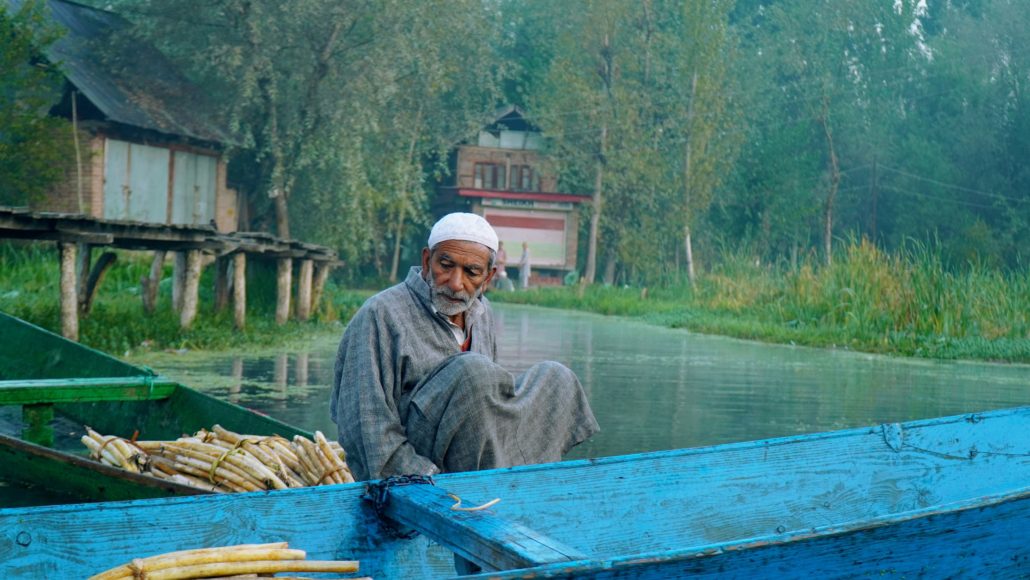
Global Poverty at Risk as Foreign Aid Cuts Accelerate WorldwideGlobal poverty eradication faces a growing threat as wealthy nations reduce foreign aid and international relief programs. After years of modest growth, official development assistance has dropped sharply, with reductions of 15–22% as governments redirect spending from humanitarian programs toward defense budgets. These cuts coincide with a worsening debt crisis across the developing world, raising fears that millions of people could be pushed back into extreme poverty. This trend illustrates how foreign aid cuts hurt global poverty reduction and threaten to undo decades of hard-won progress.

The Reversal of Aid Growth and Its Immediate Effects

Between 2018 and 2023, foreign aid from high-income countries grew by approximately 6% annually, signaling a fragile commitment to global poverty reduction. However, this momentum has now reversed. Across the United States and Europe, governments are rescinding foreign aid commitments and scaling back international relief programs in favor of increased defense spending. According to the Council on Foreign Relations, official development assistance has fallen by as much as 22% as countries reallocate resources from social investment to military priorities.

In the United States, this shift has been particularly stark. Cuts to traditional foreign assistance programs, proposals to eliminate long-standing aid mechanisms and the use of pocket vetoes on appropriated funds have weakened development institutions. These reductions have occurred alongside an estimated $1 trillion surge in U.S. defense spending, highlighting a broader policy realignment away from poverty-focused engagement abroad. While defense budgets have expanded, funding for health care, food security and humanitarian relief in low-income countries has contracted, placing vulnerable populations at heightened risk. This reallocation demonstrates how foreign aid cuts hurt global poverty reduction as essential resources for health and food security are withdrawn.

The Debt Crisis and Vulnerabilities in Developing Countries

The timing of these foreign aid cuts has raised concerns. A 2025 briefing paper by the Finnish Institute of International Affairs warned that more than 50 low-income countries faced a high risk of sovereign default due to post-pandemic borrowing, rising global interest rates and declining access to concessional financing. As debt servicing costs rise, governments often divert funds away from education, health care and social protection, investments essential for reducing poverty. This dynamic threatens to reverse decades of progress against extreme poverty and widen global inequality.

The U.S. retreat from foreign assistance has amplified these pressures. The FIIA briefing describes recent aid retrenchment as part of a broader global development crisis, noting that cuts to humanitarian and democracy assistance have destabilized international relief systems on which millions depend. European governments have mirrored this trend by redirecting aid budgets toward domestic priorities and defense, further shrinking the global pool of resources available to fight poverty. When combined with the debt crisis, the evidence shows that foreign aid cuts hurt global poverty reduction by leaving fragile economies without a vital safety net.

Foreign aid has become increasingly politicized. In the United States, development assistance is often portrayed as wasteful and disconnected from taxpayers’ needs. CFR argues that aid advocates have struggled to maintain public support by emphasizing moral obligation rather than strategic value (CFR, 2025). As a result, foreign aid is vulnerable to cuts during periods of political polarization, making sustained investment in poverty reduction more difficult to defend.

A Shift From Aid to Investment

Not all forms of international engagement have declined. Funding for the U.S. International Development Finance Corporation increased by approximately 280%, reflecting a shift toward investment-driven development approaches.

While such tools can stimulate economic growth, experts caution that they cannot replace poverty-focused aid and humanitarian relief programs designed to directly reach the world’s poorest populations. Financial and capital investments should be supported by targeted efforts that have historically been delivered via NGOs, nonprofits and collaborative philanthropic work. This distinction is important because many investment tools are return-driven, while humanitarian and nonprofit programs prioritize poverty reduction outcomes.

The Center for Global Development warns that reductions in U.S. funding threaten multilateral development banks and sector-specific programs that play a critical role in combating poverty. Concessional finance windows and institutions such as the World Food Programme and global health funds provide lifeline services that stabilize fragile economies and protect vulnerable communities. When these programs are disrupted, food insecurity, disease and economic instability rise, conditions that deepen poverty and increase long-term development costs.

Political Pressures and the Path to Recovery

Foreign aid also serves broader strategic goals. The CFR identifies three core objectives for effective assistance: preventing crises abroad that threaten the U.S. homeland, competing with geopolitical rivals through soft power and strengthening supply chains that support economic stability. Cuts to foreign aid weaken U.S. influence, create openings for rival powers and increase the likelihood of economic shocks that can affect American consumers.

Perhaps the most concerning issue is the long-term impact of sustained aid retrenchment. The CFR cautions that the deeper and longer foreign assistance budgets are cut, the harder it becomes for future administrations, regardless of political affiliation, to justify restoring them. As institutions lose capacity and partnerships erode, rebuilding effective poverty reduction programs becomes increasingly difficult and costly. This institutional decay shows how sustained foreign aid cuts hurt global poverty reduction by dismantling the architecture needed to fight it.

Looking Ahead

The debate over foreign aid reflects broader questions about global responsibility and international engagement. Without renewed commitment and clearer accountability, continued reductions risk entrenching deeper global poverty and increasing the long-term costs of inaction.

– Christopher Pellant

Christopher is based in Evansville, IN, USA and focuses on Business and Politics for The Borgen Project.

Photo: Flickr
February 1, 2026
https://borgenproject.org/wp-content/uploads/borgen-project-logo.svg 0 0 Precious Sheidu https://borgenproject.org/wp-content/uploads/borgen-project-logo.svg Precious Sheidu2026-02-01 07:30:582026-01-31 20:13:43How Foreign Aid Cuts Hurt Global Poverty Reduction
Education, Global Poverty

Educational Reform in Egypt: Successes and Setbacks

Educational Reform in EgyptEducational reform in Egypt has encompassed various projects, collaborations and strategies aimed at achieving multiple objectives to improve the well-being of Egypt and its people. In 2012, USAID and Egypt partnered with World Learning on a $25 million project, which was later extended to $30 million in 2016, according to a 2018 USAID audit report. This project has involved a collaboration between the Egyptian Ministry of Education (MOE) and USAID to advance STEM education in Egypt.

According to Egypt’s government, Egypt established Strategic Vision 2030 in 2016, a national agenda for sustainable development across social, economic and environmental dimensions. A key intention of the strategy is to enhance the quality of life for Egyptian citizens and achieve inclusive, sustainable economic growth. In 2018, the Egyptian government introduced an educational reform program as part of Vision 2030.

Egypt’s reform program was backed by the World Bank in 2018, with a $500 million project between the two. Egypt has also established an Education Sector Plan for 2023-2037, a strategy outlined to effectively transform Egypt’s educational system.

Reform Goals

The investment and prioritization of educational reform in Egypt underscores the intrinsic importance of education within the broader context of sustainable development, enhancing lives and reducing poverty. According to 2021 World Bank Data, the poverty rate (the percentage of the population that lives below the national poverty line) in Egypt is 33.5%. According to the World Bank, education is “one of the strongest instruments for reducing poverty and improving health, gender equality, peace and stability.”

By working to improve educational outcomes, Egypt enhances the country’s economic and social standing, as well as that of its population. Egypt’s educational reform occurs within the context of a contemporary job market where employees require skills that traditional education systems have been unable to provide. A major goal of the project is to transform the examination system into one that fosters analytical and critical thinking skills, better equipping students for career success.

A feature story published by the World Bank includes testimony from a secondary student in Egypt. They say the new examination system has given them a greater sense of personal responsibility for their education and the ability to apply their learning to real-world situations. The student states, “My father is ill; sometimes my biology readings enable me to help him.”

Other goals of educational reform in Egypt include improving access to and the quality of early childhood education, expanding access and use of education technology and “enhancing the capacity of teachers and education leaders.”

Persistent Challenges

While there have been several victories for educational reform in Egypt, challenges endure as well. According to Egypt’s 2023-2027 Education Sector Plan, some of the setbacks include: overcrowding and insufficient infrastructure in schools, a shortage of fully trained and qualified teachers and gaps in educational participation across different demographic groups. According to the report, Egyptian students rank low in foundational knowledge and skills internationally.

These setbacks underscore the need for ongoing reform and adaptable strategies. Though challenges may prove persistent, Egypt’s strides in educational reform show the potential of such reform projects.

Project Successes

University of Illinois professor Linda Herrera documented the ongoing reform of Egypt’s educational system, recognizing the digital transformation of education in Egypt. According to Herrera, in 2016, the Egyptian Knowledge Bank was established, featuring 120 databases, videos, books and other materials. The online library is accessible free of charge to anyone with an Egyptian ID.

Herrera notes the significance of this reform when considering Egypt’s greater context: it is the largest country in the Arab world by population, with a major influence on other Arab countries. According to Herrera, Egypt is an exporter of teachers, learning materials and ideas to its Arab neighbors. What Egypt does to bolster its own education system can have a reverberative effect across an entire region.

Summary

The successes of the educational reform in Egypt have been a result of several projects and partnerships, including with the U.S. According to the 2018 USAID audit report, USAID’s collaboration with MOE resulted in nine STEM schools being established in Egypt by 2016, surpassing the initially expected three to five schools. The report states that this is a testament to MOE’s capability not only to implement but also to advance and replicate the STEM model.

In 2017, numerous STEM students in Egypt participated in local and international science competitions and many received international scholarships or were placed in exchange programs. The fact that there had been no students achieving such things previously shows the impact of Egypt’s advancements in STEM education. Subsequently, the Egyptian Government planned to open more STEM schools in each of the 27 governorates, indicating the program’s staying power and potential for expansion.

– Emma Kelsey

Emma is based in St. Paul, MN, USA and focuses on Good News and Global Health for The Borgen Project.

Photo: Wikimedia Commons

January 21, 2026
https://borgenproject.org/wp-content/uploads/borgen-project-logo.svg 0 0 Hemant Gupta https://borgenproject.org/wp-content/uploads/borgen-project-logo.svg Hemant Gupta2026-01-21 03:00:232026-01-21 02:15:13Educational Reform in Egypt: Successes and Setbacks
Global Poverty, USAID

The Cut of USAID Programs in Burma

USAID Programs in BurmaAs of Feb. 23, 2025, President Trump brought global administrative leave for USAID programs — directly impacting Myanmar (formerly known as Burma) for it is the fourth-largest recipient of foreign aid in the region, according to The Diplomat. It is no surprise that “the United States government’s abrupt and sweeping freeze on foreign aid is severely endangering the human rights of refugees, civilians in armed conflict areas and individuals fleeing persecution in Myanmar,” Amnesty International said in a February 2025 statement.

While USAID may be generally paused, this has not stopped individual U.S. volunteers’ going out to play their part! Doctors Without Borders, for example, took U.S. volunteers’ aid to the Myanmar skies. Brought into action in April 2025, the program “immediately deployed its teams of medical, mental health, logistics, and water and sanitation staff,” even installing a new water filtration system at Mandalay General Hospital. Here is information about what is happening in light of the pause of USAID programs in Burma.

Life in Myanmar

Oxfam America highlighted the aftermath of USAID cuts, stating that “at least 23 million children stand to lose access to education, and as many as 95 million people would lose access to basic health care, potentially leading to more than 3 million preventable deaths per year.”

The United Nations Development Programme (UNDP) defines poverty in Myanmar as:

  • Unsustainable coping mechanisms from 75% of the population, such as cutting health care and education expenses, even from the relatively well-off, causing an erosion of the middle class and a human capital crisis.
  • Restricted access to farmlands (rising food insecurity) and medical services. 
  • Increased child labor and displacement.

With the notable absence of American assistance and USAID programs in Burma, reporter Theresa Naw wrote that Myanmar has once again become a victim of Trump’s “America First” foreign policy. The country’s loss of a $45 million scholarship program has left its funding nearly depleted.

Oxfam International

Oxfam International “works to reduce poverty and inequality through promoting the power of women and men to harness the benefits of political reform and economic development,” according to the organization. Its 2016 project ‘‘Building Equitable and Resilient Livelihoods in the Dry Zone” solidified their good work for Myanmar’s people. Its score for improved/sustained livelihoods and resilience sector exceeded expectation, after being set at 2.94, yet reached 4.02. The project established business relationships between township departments and parliament with local NGO’s and Mo’s of other villages, creating sustainable livelihood opportunities and building resilience against climate-related hazards.

The International Rescue Committee (IRC)

The International Rescue Committee has been working to support emergency response efforts. Reporter Joanna Nahorska wrote that priorities include “medical assistance, shelter, emergency items such as blankets, food, clean water, and cash support.”

With more than 19 million people now in need, the IRC:

  • Helps communities identify their own development needs and design their own recovery projects, including new schools and health centers.
  • Promotes economic recovery by teaching farmers modern agricultural techniques and technology, helping to repair the human capital crisis.

The Disasters Emergency Committee

The Disasters Emergency Committee has provided critical support, funding cash assistance and vouchers for 105,000 people to repair homes and pay medical expenses and directly helping the cut to health and education expenses. It set up the Myanmar Earthquake Appeal, which in line with their charity ‘Age International’ has been providing cash assistance to older people in the Inle Lake region, alongside psychosocial support to help them process what they have been through.

USAID in Burma

In 2015, USAID program officials declared that they would work alongside the Government of Burma to “initiate new activities that strengthen parliamentary systems, engage civil society in the reform process, provide technical expertise to the Union Election Commission, and develop inclusive and accountable political parties.”

Previous USAID programs in Burma are still prevalent in today’s crisis. Back in 2009, Livelihoods and Food Security Trust Fund (LIFT) was formed to tackle “poverty and hunger directly in Myanmar’s rural communities.” Now in 2025, it has served 2.6 million people through microfinance institutions, with 91% of recipients being women, helping to re-build the falling economy.

Moving Forward

As early as 2024, CNN reported that half of Burma’s 54 million people were living below the poverty line, with nearly 50% surviving on less than 76 cents a day, according to reporter Helen Regan. Following this, Trump’s pullbacks meant that “Myanmar was on track to lose around $1.1 billion in foreign assistance over the second Trump term,” The Diplomat reported.

Despite this, hope for change remains. Oxfam America found that “when asked how much would be appropriate for the U.S. to invest in foreign aid, more than 95% of respondents identified an amount higher than the administration’s current budget.”

What comes next is for the remaining 5% to continue pushing for stronger foreign aid investments. 

– Gemma Nailer

Gemma is based in Manchester, UK and focuses on Good News for The Borgen Project.

Photo: Unsplash

January 17, 2026
https://borgenproject.org/wp-content/uploads/borgen-project-logo.svg 0 0 Jennifer Philipp https://borgenproject.org/wp-content/uploads/borgen-project-logo.svg Jennifer Philipp2026-01-17 01:30:162026-01-16 10:23:10The Cut of USAID Programs in Burma
Global Poverty, Health, USAID

America First Global Health Strategy Investing in Kenyan Health

America First Global Health StrategyThe U.S.’s America First Global Health Strategy formalized a five-year agreement with Kenya, marking the first of many anticipated bilateral agreements with developing nations. Under this strategy, a co-investment model with Kenya has been established, allowing funding to flow directly from government to government, rather than through traditional channels such as USAID or nongovernmental organizations.

The America First Global Health Pact

On December 4, 2025, U.S. Secretary of State Marco Rubio and Kenyan President William Ruto signed the America First Global Health Strategy. Under the agreement, the U.S. will invest up to $1.6 billion, while Kenya will contribute $850 million to support critical public health initiatives, including HIV/AIDS, tuberculosis, malaria and maternal and child health. The framework aims to strengthen healthcare infrastructure in developing nations while enhancing diplomatic relations.

As the first country to sign, Kenya serves as a test case for a potential major shift in global health partnerships. The America First Global Health Strategy reflects a shift in the U.S.’s foreign aid ideology. After dismantling the USAID earlier this year, which resulted in significant cuts in funding for several global health programs, the current administration has sought out a framework it hopes will support state sovereignty and self-reliance.

Strengthening Africa’s HIV Response Through Direct Funding

At the 23rd International Conference on AIDs and STIs in Africa, UNAIDS executive director, Winne Byanyima, argued that health management has not been a priority in Africa, where funds are typically allocated toward debt repayment, as opposed to community health. Africa accounts for the majority of new HIV cases globally, with women representing 62% of infections. Economic disparities and lack of access to education are contributing factors.

It is reported that 46% of adolescent girls are not enrolled in school, exposing them to sexual and gender based violence. UNAIDS has welcomed this framework, as it aligns with its goal of significantly reducing HIV infections by 2030. The initiative aims for 95% of people with HIV to know their status, 95% of those diagnosed to receive treatment and 95% of those treated to achieve viral suppression.

Direct funding to the Kenyan government is expected to strengthen its ability to respond promptly to public health concerns and maintain control over its health priorities.

What Kenya Risks

Despite its potential, there has been backlash. The Consumer Federation of Kenya is seeking to dismantle the agreement, arguing that it violates the constitution as it pertains to concerns with health data privacy. The Consumer Federation of Kenya also argues that there isn’t sufficient oversight as to how sensitive health information would be transferred and used.

The Nairobi High Court has suspended parts of the agreement pending a full hearing. There have also been concerns of service disruption during the transitional phase from the NGO programs.

A New Development Era?

If Kenya’s experience produces positive health outcomes, the America First Global Health Strategy can serve as a blueprint for American partnerships with other nations in Africa. So far, Uganda and Rwanda have also recently signed agreements under this co-investment model. Whether this agreement marks a breakthrough in global health cooperation is yet to be determined.

However, Kenya’s outcome will likely influence agreements with other developing nations and the evolution of international development policy in the 21st century.

– Gloria Bwenge

Gloria is based in New York, NY, USA and focuses on Global Health and Politics for The Borgen Project.

Photo: Pixabay

January 12, 2026
https://borgenproject.org/wp-content/uploads/borgen-project-logo.svg 0 0 Hemant Gupta https://borgenproject.org/wp-content/uploads/borgen-project-logo.svg Hemant Gupta2026-01-12 03:00:042026-01-12 01:20:24America First Global Health Strategy Investing in Kenyan Health
Foreign Aid, Global Poverty, Nonprofit Organizations and NGOs, USAID

NGOs Partnerships Following Foreign Aid Cuts in Uganda

Foreign Aid Cuts in UgandaThe decision to dismantle USAID was devastating for millions of people around the world. Several countries suffered immediate effects from the cuts in foreign aid, which provided necessities such as food, education and health care. Uganda is one of the hardest-hit areas for two reasons:

  1. It hosts the largest refugee population in Africa, nearly 2 million people, 81% of whom are women and children; and
  2. It faces a severe, chronic HIV epidemic and relies heavily on U.S. support for HIV treatment and prevention.

Uganda lost 66% of the funding received from USAID, which is approximately $307 million. As a result, many areas have been affected, including food aid, which has been cut due to a funding shortage, leading to increased hunger and malnutrition. However, nongovernmental organizations (NGOs) are hard-pressed to continue providing services on the same scale with less funding.

The Impact of Foreign Aid Cuts on Uganda

1. Education:

USAID funding supported school construction and the procurement of learning materials in Uganda. The funding also supported teacher training programs. Digital learning tools provided schools in remote areas, improving access to education. The lack of funding results in under-resourced schools and a reduced ability to meet growing demands.

This affects girls explicitly as it decreases their access to education regarding reproductive and menstrual health. Girls, seeking security, will marry early and lose hard-fought gains in gender equity. In refugee communities, funding shortages have led to staffing shortages. In one refugee settlement, there were 36 teachers with more than 3,400 students. Following funding cuts, nine teachers are left to manage classes of up to 500 students each.

2. Health:

USAID administers close to 60% of the President’s Emergency Plan for AIDS Relief (PEPFAR) bilateral funding, which provided more than half of the medication and staff needed to respond to the HIV epidemic in Uganda. PEPFAR also accounted for nearly 90% of pre-exposure prophylaxis (PrEP) initiatives on a global scale. Millions now are at risk of contracting HIV due to foreign aid cuts.

PrEP is restricted to pregnant and lactating mothers. Funding cuts cause immediate disruptions in care for thousands who depend on consistent medication (i.e., Anti-Retroviral Therapy). This increases the risk of babies being born with HIV. Vaccine shortages caused by foreign aid cuts increase the risk of contracting other diseases like TB, Ebola and Malaria.

Foreign aid cuts also lead to staffing shortages, making it challenging for those who remain to deliver the same level of health care with fewer resources and a reduced number of qualified staff.

One NGO in particular, St. Francis Health Care Services, provided HIV testing, medication and prevention products to sex workers in Uganda, but this was stopped due to cuts in foreign aid. Mwesigye, a country representative with the U.K.-based NGO All We Can, stated, “You know, there was almost an alarm… people were being told to run as fast as they could to the next health unit to get their dose for a few months… but that is also going to run out.”

The Response

When formal protection systems collapsed, local citizens and/or refugees stepped up to fill the gap. The NGO St. Francis Health Care Services received funding from PEPFAR several years earlier. However, its funding was cut after Uganda passed its anti-homosexuality act. The nonprofit was able to secure the funding again; however, its leadership began to realize how dangerous it could be for them and their ability to continue providing the vital services needed in the community.

After the organization’s funding was cut the first time, it began seeking private donors. It increased its revenue by offering paid services, such as surgery, maternal care, radiology and dental exams. As a result, it was less vulnerable to the effects of the foreign aid cuts. However, health leaders still had to make decisions in response to the cuts to foreign aid.

Other strategies implemented include moving away from standalone HIV/TB clinics and referring patients to government outpatient clinics; utilizing a large network of private clinics, seeking non-U.S. international collaborations, increasing donor outreach and implementing technological solutions (e.g., AI). Health officials propose using AI to identify high-risk patients, allowing them to be seen sooner.

Another NGO, Soft Power Health, continues to care for approximately 50,000 patients. This organization operates on a $699,000 budget, which is funded by private organizations and individual donors. It was also more insulated against the foreign aid cuts and continued its work. Services provided include transportation, free HIV medication and gardening and health education. Another clinic lost its funding and donated medical equipment to Soft Power Health, allowing it to continue testing for TB.

Grassroots Groups in Uganda

In response to the aid cuts, grassroots groups in Uganda have turned to farming, petty trade and vocational activities, selling milk and produce, while youth join skills programs to learn trades like tailoring. Women have formed support groups for survivors of gender-based violence and girls at risk, which have become lifelines through regular meetings and check-ins.

These community efforts are complemented by Volunteer Village Health Teams, who refer survivors to clinics that remain open, provide mental health services and conduct awareness sessions on gender rights and protection. Boda Boda riders, a network of volunteer motorcycle riders, transport survivors from remote villages to clinics, legal aid offices, or safer areas and have organized informal night patrols to discourage exploitation and monitor hotspots known for abuse.

Forging a Path Forward

Joy Kawanguzi, team leader of FABIO-Uganda, discusses the abruptness of the foreign aid cuts in Uganda: “It did not give us time to prepare. So the abruptness alone is an inconvenience.” She adds that the foreign aid cuts “put local organizations in a place where they start feeling like they are more implementers of donor ideologies. Because if a local organization were a key player, this decision would not have been drastic. There would have been consultations.”

Mwesigye agrees and advocates for organizations to be able to use funding for core costs instead of just fulfilling projects: “…if core costs are paid for; if you build the institution rather than fulfill project goals, then the institution will be bold enough to be able to work and do what it needs to do.”

These statements are indicative of a desire to move away from dependence on outside donors. Their sentiment is fueled by the question no one can answer: “What if this happens again?” The path forward for the people of Uganda is one where they have free rein with the resources they are given and the opportunity to achieve independence.

– Danielle Milano

Danielle is based in Pineville, LA, USA and focuses on Good News and Global Health for The Borgen Project.

Photo: Pexels

December 16, 2025
https://borgenproject.org/wp-content/uploads/borgen-project-logo.svg 0 0 Hemant Gupta https://borgenproject.org/wp-content/uploads/borgen-project-logo.svg Hemant Gupta2025-12-16 01:30:482025-12-15 23:26:49NGOs Partnerships Following Foreign Aid Cuts in Uganda
Page 1 of 92123›»

Get Smarter

  • Global Poverty 101
  • Global Poverty… The Good News
  • Global Poverty & U.S. Jobs
  • Global Poverty and National Security
  • Innovative Solutions to Poverty
  • Global Poverty & Aid FAQ’s
Search Search

Take Action

  • Call Congress
  • Email Congress
  • Donate
  • 30 Ways to Help
  • Volunteer Ops
  • Internships
  • Courses & Certificates
  • The Podcast
Borgen Project

“The Borgen Project is an incredible nonprofit organization that is addressing poverty and hunger and working towards ending them.”

-The Huffington Post

Inside The Borgen Project

  • Contact
  • About
  • Financials
  • President
  • Board of Directors
  • Board of Advisors

International Links

  • UK Email Parliament
  • UK Donate
  • Canada Email Parliament

Get Smarter

  • Global Poverty 101
  • Global Poverty… The Good News
  • Global Poverty & U.S. Jobs
  • Global Poverty and National Security
  • Innovative Solutions to Poverty
  • Global Poverty & Aid FAQ’s

Ways to Help

  • Call Congress
  • Email Congress
  • Donate
  • 30 Ways to Help
  • Volunteer Ops
  • Internships
  • Courses & Certificates
  • The Podcast
Scroll to top Scroll to top Scroll to top