• Link to X
  • Link to Facebook
  • Link to Instagram
  • Link to TikTok
  • Link to Youtube
  • About
    • About Us
      • President
      • Board of Directors
      • Board of Advisors
      • Financials
      • Our Methodology
      • Success Tracker
      • Contact
  • Act Now
    • 30 Ways to Help
      • Email Congress
      • Call Congress
      • Volunteer
      • Courses & Certificates
      • Be a Donor
    • Internships
      • In-Office Internships
      • Remote Internships
    • Legislation
      • Politics 101
  • The Blog
  • The Podcast
  • Magazine
  • Donate
  • Click to open the search input field Click to open the search input field Search
  • Menu Menu

Tag Archive for: Innovation

Posts

Agriculture, Global Poverty

Digital Grain Storage and Reducing Poverty in India

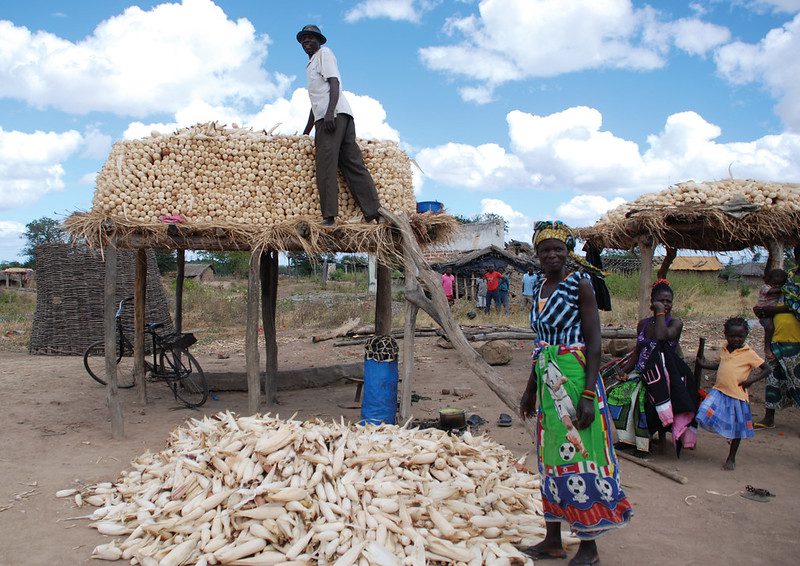
Reducing Poverty in IndiaDevelopments in the agri-tech sphere have been fundamental to the improved economic welfare of farmers in India. Founded in 2012 and working primarily in Bihar, Ergos has transformed the lives of 150,000 farmers by reducing their dependence on seasonal income. By freeing farmers from the demands of the physical market, its digital grain bank model has significant potential for reducing poverty in India.

Rural Poverty in India

As of 2022, India’s poverty rate, measured at $3 a day, stood at 5.25%. The country has experienced steadily improved poverty conditions in recent years, particularly in rural areas, which saw a decline in poverty from 32.59% to 19.28% in 2021. NDTV reports suggest that these figures have now declined to just 4.86%. Bihar is one of the regions that has witnessed the most progress in closing the gap between poverty rates in urban and rural areas.

However, despite this progress, the day-to-day experiences of those living in the remote countryside reflect ongoing hardship. For families who rely on agriculture, the goal is simply to earn enough to survive. The unpredictable nature of monsoons and seasonal changes contributes to economic instability. It is within this context that Ergos has helped reduce poverty in India by providing an innovative solution to seasonal dependence.

Ergos the GrainBank Model

Founded by Kishor Jha and Praveen Kumar, Ergos’ grain bank model allows farmers to store harvested crops at local warehouses in order to sell their product later at a more favorable cost. According to Ergos, almost 86% of farmers in India are smallholders without the ability to store their produce. As a result, around 80% to 90% of farmers try to sell the entirety of their grain in under 40 days. This is compounded by widespread debt among workers in the agricultural sector, where high interest rates affect farmers who had initially relied on moneylenders to fund their business, creating a cycle that limits the ability of rural households to raise their incomes.

By providing storage for grain, Ergos enables farmers to access immediate liquidity through a credit system and regain control over commodity prices. Technological innovation underpins the model’s effectiveness, with Ergos collecting and sharing agricultural data to support farmers’ decision-making. This approach benefits both farmers and buyers, returning financial control to rural producers who would otherwise remain vulnerable to seasonal fluctuations.

Looking Ahead

Given that an estimated 60% of rural households rely on agriculture, based on a 2021-22 national survey, innovations in agri-tech have a role to play in reducing poverty in India. Ergos’ digital grain bank model demonstrates how modern technology applied to an age-old livelihood can reduce seasonal income dependence and support rural communities.

– Polly Laws

Polly is based in Cardiff, UK and focuses on Good News and Global Health for The Borgen Project.

Photo: Flickr

April 24, 2026
https://borgenproject.org/wp-content/uploads/borgen-project-logo.svg 0 0 Precious Sheidu https://borgenproject.org/wp-content/uploads/borgen-project-logo.svg Precious Sheidu2026-04-24 01:30:012026-04-23 04:15:23Digital Grain Storage and Reducing Poverty in India
Food Security, Global Poverty

Food Security with Solar Cold Storage in Africa

Solar-Powered Cold Storage in AfricaIn sub-Saharan Africa, limited access to properly refrigerated goods means that as much as 50% of perishable produce never reaches the market, most prominently dairy, fish, fruits, and vegetables, items that are extremely valuable in this region. The continent loses $1.2 billion annually due to poor refrigeration and infrastructure, with 600 million people living without consistent access to electricity, affecting their ability to properly store food. These losses undermine hunger relief efforts and therefore hold farmers in a repetitive cycle of low income, affecting their ability to produce quality goods.

Solar Refrigeration Steps In

Companies like Sokofresh are utilizing solar-powered cold storage in Africa which is a clean, off-grid alternative to diesel-based systems. This enables farmers to preserve their perishable goods for up to 21 extra days, extending selling windows and increasing revenue potential.

Based in Nigeria, ColdHubs provides 100% solar-powered, walk-in cold rooms at rural hubs to combat post-harvest food waste for farmers. These units can store up to three tonnes and serve numerous small-scale farmers and fishers. This has ultimately reduced spoilage during transportation by up to 80%.

At the same time, Koolboks delivers solar-powered refrigeration and freezers to the Nigerian market traders to aid their protection of stock during frequent outages.

In Kenya, Sokofresh’s model helps farmers band together to access and share storage, helping them significantly cutting waste. ColdHubs’ network across 54 sites provides accessible refrigeration while generating local jobs and improving produce value.

As well as this, Uganda is implementing innovative strategies to empower female farmers, extend the shelf life of harvests, and strengthen local markets. This approach maximises available resources and serves as a model for reducing food waste and providing relief across Africa.

Barriers to Scaling Solar Cold Storage in Africa

However, there continues to be barriers as in Tanzania, up to 50% of tomato harvests spoil before reaching consumers due to a scarcity of cold storage. Significant obstacles are preventing Tanzania from introducing solar-powered storage, including institutional and technological barriers, foreign investment and aid to electrification project that require reshaping.

From the strides Nigeria has made in improving their food storage, this has awoken Rwanda’s eyes in attempting to reduce its food wastage by utilizing solar-powered storage. The model uses solar energy to complement Rwanda’s initiatives to reduce their post-harvest loss whilst increasing their green energy and cutting carbon emissions.

Cooling Towards Prosperity

Solar-powered cold storage has made significant differences in a multitude of countries all around Africa. Protecting the post-harvest quality, reducing waste and helping preserve farmers’ goods, this innovation supports food security, gender equity, and sustainable rural economies. This solar-powered solution can significantly reduce the $1.2 billion annual waste of improperly stored food and help provide wider access to food for those without consistent electrical connections.

– Carise Wallbank

Carise is based in the United Kingdom and focuses on Global Health for The Borgen Project.

Photo: Flickr

October 4, 2025
https://borgenproject.org/wp-content/uploads/borgen-project-logo.svg 0 0 Naida Jahic https://borgenproject.org/wp-content/uploads/borgen-project-logo.svg Naida Jahic2025-10-04 01:30:132025-10-04 02:28:05Food Security with Solar Cold Storage in Africa
Global Poverty, Natural Disaster, Technology

Early Warnings for All (EW4All): Global Alert Systems

ew4allIn February 2025, a grandmother in Bua, Fiji, received a single text message: “Evacuate to higher ground.” She gathered her grandchildren and left just hours before a flash flood consumed the riverbanks. That text saved five lives. Fiji secured a grant of FJ$29 million ($12.9 million) from the Green Climate Fund in support of the Early Warnings for All initiative (EW4All), bringing life-saving alerts within reach of the most vulnerable

What is Early Warnings for All

Launched by U.N. Secretary-General António Guterres in 2022, the EW4All seeks to ensure that every person on Earth is safe thanks to a life-saving multi-hazard early warning system by the end of 2027.

The effort is a direct response to the growing frequency and severity of climate-related disasters. Indeed, from cyclones in the Pacific to droughts in East Africa, communities on the frontlines of natural disasters often have little or no time to prepare. By combining meteorological science, technology, and local preparedness, EW4All aims to close this protection gap worldwide.

A Comprehensive, Multi-Pillar Approach

The initiative is co-led by the World Meteorological Organization (WMO) and the United Nations Office for Disaster Risk Reduction (UNDRR), with support from the International Telecommunication Union (ITU) and the International Federation of Red Cross and Red Crescent Societies (IFRC)

Together, these organizations oversee four essential, end-to-end pillars:

  • Disaster risk knowledge (UNDRR) — mapping hazards and vulnerabilities so communities understand their risk.
  • Detection, observation, monitoring, analysis, and forecasting (WMO) — ensuring accurate, timely climate and weather predictions.
  • Warning dissemination and communication (ITU) — ensuring alerts reach people through mobile networks, radio, and other channels.
  • Preparedness and response capabilities (IFRC) — enabling communities to take action before a hazard strikes.

These pillars work together. Without accurate data, forecasts lose precision. Without effective communication, warnings go unheard. And without preparedness, even the best warnings cannot save lives.

Tangible Progress: Funding and Country-Level Action

In February 2025, the Green Climate Fund (GCF) approved a groundbreaking $103.2 million in grant financing to bolster EW4All systems in seven climate-vulnerable countries—Antigua and Barbuda, Cambodia, Chad, Ecuador, Ethiopia, Fiji, and Somalia—benefiting more than 26 million people.

This project, led by the United Nations Development Programme (UNDP), carries a total investment of $114.6 million, including $11.3 million in co-financing from IFRC, ITU, WMO, and national governments

In Fiji, the FJ$29 million ($12.9 million) grant focuses on expanding early warning coverage in remote areas, integrating hazard monitoring with local communication systems and providing training for

Why Early Warnings Matter and Deliver Impact

Early warning systems are among the most cost-effective tools in disaster risk reduction. The Global Status Report (2022) shows that countries with substantive-to-comprehensive early warning coverage experience eight times lower disaster mortality than countries with limited coverage.

Providing just 24 hours’ notice before a hazardous event can reduce damage by about 30% and investing $800 million in early warning systems in developing countries could avoid losses of $3–16 billion annually

Scaling Impact Through Partnerships

The EW4All initiative not only coordinates funding but also drives technical assistance and national policy support. The EW4All Advisory Panel, co-chaired by the heads of WMO and UNDRR, meets twice a year to assess progress, address gaps, and align resources.

On the technology front, ITU has mobilized partnerships with mobile operators such as GSMA, Safaricom and Telefónica to deploy cell-broadcast and location-based SMS in at-risk countries, ensuring alerts are not dependent on internet access.

In parallel, the IFRC works directly with communities to run evacuation drills, distribute preparedness kits, and ensure that warnings lead to action.

A Positive Forward Outlook

As natural disaster risks intensify, EW4All out as a global solution that saves lives while protecting livelihoods. By preventing deaths, reducing asset loss and maintaining community stability, EW4All indirectly supports poverty reduction. Disasters often push vulnerable households deeper into poverty; effective early warning systems break that cycle by enabling people to protect their homes, crops and sources of income.

With two years remaining until the 2027 deadline, progress is accelerating. From the Pacific Islands to the Horn of Africa, EW4All is laying the groundwork for a safer, more resilient future—where no one faces disaster without warning.

– Prayosha Patel

Prayosha is based in Gujarat, India and focuses on Technology and Solutions for The Borgen Project.

Photo: Flickr

August 22, 2025
https://borgenproject.org/wp-content/uploads/borgen-project-logo.svg 0 0 Naida Jahic https://borgenproject.org/wp-content/uploads/borgen-project-logo.svg Naida Jahic2025-08-22 07:30:102025-08-21 17:19:16Early Warnings for All (EW4All): Global Alert Systems
Agriculture, Disease, Global Poverty

Sterile Fly Barrier in Central America Saves Lives

Sterile Fly BarrierThe parasitic fly Cochliomyia hominivorax, commonly known as the New‑World screwworm (NWS), inflicts the devastating disease myiasis on livestock by burrowing its larvae into living tissue. Since the 1950s, Panama has maintained a pioneering sterile fly barrier in Central America to halt its northward spread.

More than 100 million sterilized male flies are released each week along the Panama–Colombia border, ensuring that emerging females lay infertile eggs and preventing NWS populations from taking hold. For rural communities, many people live in extreme poverty, protecting their herds often means the difference between starvation and survival.

The Screwworm’s Mode of Attack

Female NWS flies deposit eggs in fresh wounds. Within hours, the larvae hatch and begin excavating into living flesh in a spiraling motion that inspired its common name. As these maggots feed, they create deep, pus‑filled lesions that, without prompt removal, lead to severe inflammation, systemic infection and often the death of the animal.

Historically, livestock owners resorted to harsh chemical larvicides, branding techniques or manual extraction to combat infestations. These methods were costly, traumatic for the animals and frequently insufficient to prevent herd-wide losses.

Operation of the Barrier System

The Panama–U.S. Commission for the Eradication and Prevention of Screwworm (COPEG) oversees the production and release of sterile flies. In a specialized rearing facility near Pacora, screwworm larvae are raised on artificial diets under strict international standards before being sterilized using gamma irradiation.

The resulting sterile males are dispersed from aircraft across the Darien region to establish a continuous barrier. Since its permanent establishment in 2004, this sterile fly barrier in Central America has prevented reinvasion from South American endemic zones and safeguarded livestock populations to the north.

Economic Impact and Performance Metrics

Before the Sterile Insect Technique (SIT) was implemented, screwworm infestations caused annual losses exceeding $300 million in Central America through animal deaths and treatment expenses. At the same time, the U.S. faced more than $900 million in direct costs each year. By neutralizing reinvasion threats, the barrier delivers an estimated $1.3 billion in annual economic benefits across the region. On a household level, smallholder farmers gain an additional $200 to $300 per year, resources that can be allocated to nutrition, education and health care.

The United Nations Food and Agriculture Organization (FAO) emphasizes that impoverished livestock owners, who often hold only a few animals as their sole asset, are disproportionately affected by parasitic outbreaks. Furthermore, the loss of even a single bovine can plunge a family into an existential crisis. By protecting up to four million of the most vulnerable rural residents in Mexico and Central America, the sterile fly barrier in Central America secures their primary source of income and food. This directly interrupts the cycle of extreme poverty and prevents further social deprivation.

Future Outlook

With climate instability accelerating parasite migration and global trade increasing the risk of cross‑border spread, sustained funding for COPEG remains essential. Moreover, the SIT model holds promise for tackling other myiasis‑causing species and livestock diseases. Expanding this approach to additional endemic areas could further stabilize agricultural livelihoods and serve as a cornerstone strategy for global poverty reduction.

– Alexander Broermann

Alexander is based in Frankfurt am Main, Germany and focuses on Good News and Global Health for The Borgen Project.

Photo: Pixabay

August 4, 2025
https://borgenproject.org/wp-content/uploads/borgen-project-logo.svg 0 0 Hemant Gupta https://borgenproject.org/wp-content/uploads/borgen-project-logo.svg Hemant Gupta2025-08-04 03:00:442025-08-03 17:33:59Sterile Fly Barrier in Central America Saves Lives
Global Poverty, Innovations, Technology

Building 3D-Printed Shelters for a Nation Ravaged by War

Building 3D-Printed SheltersSyria is enduring among the most complex crises of the 21st century. After 14 years of violence and destruction, innovative 3D-printing technologies are now emerging in the effort to rehome more than 13 million displaced Syrians.

A Nation in Ruins

In the wake of Assad’s brutal regime, Syrians have suffered untold trauma, death and the leveling of homes and public infrastructure during a devastating civil war. With an economy in ruin, around two-thirds of Syria’s 24 million civilians currently depend on humanitarian aid to survive.

Following more than a decade of conflict, nearly half of all Syrians are currently displaced or otherwise fragmented. About 6.8 million of them remain within Syrian borders and around the same amount are settling in neighboring countries like Turkey and Jordan or seeking refuge across Europe.

As Syria’s public services struggle to cope with the ongoing tensions, a rapidly changing climate is compounding food shortages due to drought-like weather conditions. As a result, nearly all Syrians live below the poverty line, making it extremely difficult for communities to rebuild their broken lives.

The Spectre of Assad’s Housing Crisis

In the process of destroying Syrian public infrastructure, Assad’s forces systematically targeted homes, schools, family businesses and hospitals within rebel-controlled areas. This process incurred a significant housing crisis that impacts many of the struggles the population faces daily.

A 2019 United Nations (U.N.) assessment mapped the true scale of the destruction through satellite imagery, finding that 140,000 buildings were destroyed or severely impacted by the attacks. Highly populated cities like Aleppo, Damascus and Homs have emerged as the most affected. With estimated damages totaling between $250 to $400 billion, it has become clear that the road to Syria’s long-term rehabilitation requires immediate and cost-effective solutions due to the damages left in the shadows of war.

As a result, Syria now faces the risk of entering a new era marked by property-based retaliation and social fragmentation. Without a well-coordinated housing policy to protect the population, this critical moment in the nation’s pursuit of long-term peace and security could be lost.

3D-Printed Shelters

In light of these growing challenges, 3D concrete printing is emerging as a promising solution for building more durable shelters in refugee camps. These structures offer longer lifespans and greater resilience against the harsh desert climate. By producing “layer-by-layer complex geometries” using cement with impressive speed and precision, building 3D-printed concrete shelters provides better safety from damage than previous structures. It enhances long-term stability and efficiency and improves thermal insulation and privacy for those most in need.

For instance, around 80,000 Syrian refugees are based in Zaatari and Azraq in neighboring Jordan. The current shelters can often cause serious health problems for occupants due to water leakage and air penetration and only have a two to four-year lifespan. With the introduction of 3D concrete printing techniques, these technologies are not only emerging as safer and more cost-effective, but the use of contour crafting is enabling the construction of larger-scale shelters that can last up to 30 years with far less waste.

Conclusion

At a time of great change, building 3D-printed shelters provides innovative ways of supporting Syrians displaced due to the conflict. With an economy ravaged by war and the mismanagement of public resources, these technologies could play a significant role in rebuilding Syrian infrastructure.

– Gabriel John Gunn

Gabriel is based in Paisley, Scotland and focuses on Technology and Solutions for The Borgen Project.

Photo: Flickr

July 25, 2025
https://borgenproject.org/wp-content/uploads/borgen-project-logo.svg 0 0 Hemant Gupta https://borgenproject.org/wp-content/uploads/borgen-project-logo.svg Hemant Gupta2025-07-25 07:30:142025-07-25 03:34:12Building 3D-Printed Shelters for a Nation Ravaged by War
environment, Global Poverty, Technology

How Atmospheric Generators Are Transforming Arid Communities 

How Atmospheric Generators Are Transforming Arid Communities In drought-stricken regions, access to clean water remains a critical challenge. The lack of water affects health, agriculture and everyday life. A technology is offering a new path forward: atmospheric water generators (AWGs). Companies such as Majik Water in Kenya are using this innovation to extract moisture from the air, creating a reliable water source where traditional systems fail. Here is how AWGs function, highlighting real-world success stories and examining their potential for reshaping water access in vulnerable regions.

Atmospheric Water Generators

AWGs are machines that produce water by extracting humidity from the air. The system draws in air and cools it to trigger condensation. After condensation, the water passes through multiple filters that purify it for safe human consumption. These machines come in different sizes. Some are designed for households or small communities. Others, particularly industrial-scale units, generate several thousand liters of water daily—enough to support entire villages or farming operations.

The Impact on Arid Communities

Atmospheric generators have a profound impact on communities living in arid areas. First, regular access to safe drinking water significantly improves public health by reducing water-related diseases, especially among children. The water produced can also be used to irrigate small local crops, allowing families to grow their fruits and vegetables, thus enhancing food security.

Economically, these generators create new jobs related to their maintenance, supervision and water distribution. This stimulates local economies, often constrained by scarce natural resources. By providing a water source independent of rainfall, the generators are strengthening the resilience of villages to changing weather patterns and prolonged droughts.

For example, in Kenya, Majik Water uses air generators to provide drinking water to drought-affected rural communities. This project has improved the living conditions of many families, proving that this technology can be a real lifeline in even the most hostile environments.

Challenges to Overcome

Despite their potential, AWGs present several challenges. The machines require an initial capital investment that is beyond the reach of many communities. In areas without reliable electricity, powering the machines can become a problem. In addition, their efficiency drops in environments with extremely low humidity, limiting water output in the driest areas. These obstacles highlight the need for supportive infrastructure and financing mechanisms. Solar-powered AWGs could offer one possible solution to the energy constraint. Government subsidies or nonprofit funding may also be necessary to make these systems accessible in low-income regions.

Looking Ahead

Atmospheric generators represent a promising innovation to address water scarcity in arid regions. By providing an independent and reliable source of drinking water, they improve the quality of life, support local agriculture and empower communities in the face of climate change. However, widespread adoption potentially depends on efforts to lower costs, increase energy efficiency and integrate AWGs into broader development policies. With the support of public policies and private initiatives, this technology could play a key role in the future of sustainable water management.

– Eléonore Bonnaterre

Eléonore is based in London, UK and focuses on Technology and Solutions for The Borgen Project.

Photo: Flickr

May 14, 2025
https://borgenproject.org/wp-content/uploads/borgen-project-logo.svg 0 0 Precious Sheidu https://borgenproject.org/wp-content/uploads/borgen-project-logo.svg Precious Sheidu2025-05-14 07:30:582025-05-14 01:05:26How Atmospheric Generators Are Transforming Arid Communities 
Child Poverty, Global Poverty

Aircrafted KIDS: Transforming Aircraft Interiors into Schoolbags

Aircrafted KIDSEmirates Airline, based in Dubai, United Arab Emirates, launched its “Aircrafted KIDS” initiative in June 2024 in conjunction with World Environment Day. As part of an environmental strategy focused on responsible consumption, this initiative builds on the Emirates Airline Foundation’s long-standing dedication to children’s welfare programs by upcycling aircraft interiors into handcrafted schoolbags designed to support early education for underprivileged children across Africa and Asia.

From Cabins to Classrooms

Aircrafted KIDS represents a pioneering fusion of sustainability and education. In August 2022, Emirates launched the world’s largest retrofit project – a $2 billion investment to fully refit 191 aircraft, including 110 Airbus A380s and 81 Boeing 777s. While the primary goal was to elevate the passenger experience, the initiative also presented a unique opportunity to repurpose up to 50,000 kilograms of waste materials from cabin interiors.

For example, the retrofitting of 22 Airbus A380s generated more than 5,205 kilograms of materials – primarily seat fabrics composed of 95% wool and 5% nylon, according to Emirates Airline. These textiles, known for their durability and non-flammability, proved ideal for upcycling into functional, child-friendly schoolbags.

Rather than simply sending the scrap material to a landfill, Emirates Engineering established a dedicated workshop where skilled tailors repurposed the recovered fabrics into a diverse range of handcrafted backpacks for children of all ages. Collaborating closely with Emirates’ Corporate Communications, Marketing and Brand team, the initiative identified charitable organizations, schools, orphanages and community foundations to receive the bags – each one thoughtfully filled with essential school supplies. This project not only significantly reduces waste from aircraft refurbishments but also reinforces Emirates’ broader mission to support education and community wellbeing.

Impact in Africa

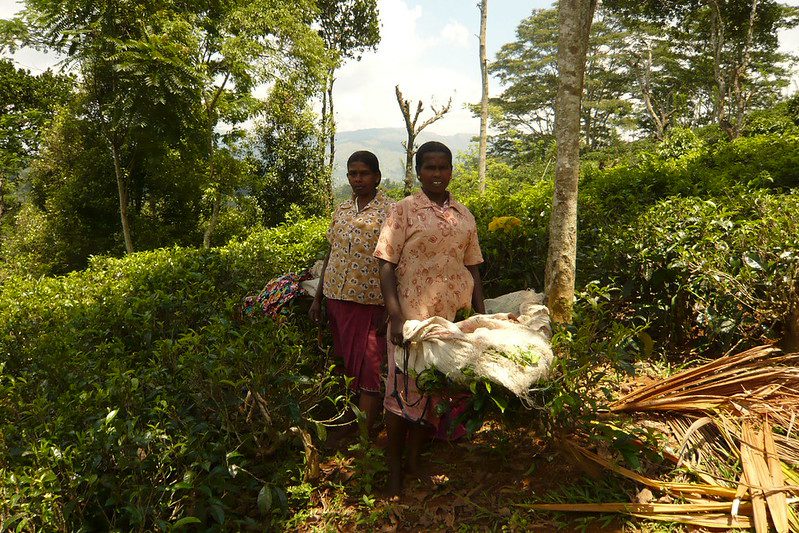
Nearly a year since its launch, the impact of the Aircrafted KIDS initiative continues to grow. Emirates partnered with six organizations across Africa to deliver more than 1,300 handcrafted schoolbags, each filled with carefully curated items such as stationery, calculators, water bottles, hygiene items, lunchboxes, and other educational essentials—alongside books by local authors that offer culturally rich stories and interactive learning experiences.

In Zimbabwe, Emirates partnered with St Marcellin’s Children’s Village Trust and Rose of Sharon, two non-profit organizations dedicated to supporting vulnerable children. The airline collaborated with the Kucetekela Foundation in Zambia, which supports academically gifted students from underprivileged backgrounds, and the Alliance for Children Everywhere (ACE), which focuses on empowering families through education and economic support – donating 464 special edition schoolbags.

In Ethiopia, Emirates joined forces with Bravehearts Ethiopia, an NGO championing access to quality education, and Roots Ethiopia, which supports rural education initiatives across the country – donating 450 Aircrafted KIDS bags to children in need.

Emirates’ Country Manager in Zambia, Omar Bushlaibi, reflected on the parallel between education and travel, highlighting how both broaden perspectives and drive societal development. He reaffirmed the airline’s long-standing commitment to Zambia since commencing operations in 2012, emphasizing not only its ongoing efforts to expand services but also its dedication to making a meaningful contribution to local community development. Bushlaibi’s words reflect Emirates’ strong sense of social responsibility and its commitment to creating a positive impact in the destinations it serves.

Impact in Asia

Following its donations in Africa, Aircrafted KIDS extended its impact across Asia, distributing 700 handcrafted schoolbags filled with essential supplies to support students in their daily learning and enrich their educational experience.

In India, Emirates teamed up with the Smile Foundation, an organization supporting children aged 6 to 14 through education, health care and livelihood programs. Together, they distributed 400 practical and thoughtfully designed backpacks to students in New Delhi to support their academic journey.

In Bangladesh, Emirates partnered with Kanan, Thikana (Shelter Home), and Ahsania Mission Shishu Nagari—three Dhaka-based organizations that provide shelter and education for women and children. With 187 backpacks donated, Emirates is supporting ongoing efforts to reform the country’s education system and promote equal opportunities for all children. Meanwhile, in Pakistan, Emirates collaborated with SOS Children’s Villages, a world-renowned organization that offers care and education to underprivileged youth.

The next destination for the Aircrafted KIDS schoolbag initiative is Egypt, with additional locations across the MENA region set to follow soon.

Final Thoughts

Education is a fundamental right and a powerful catalyst for societal progress, forming the bedrock of economic empowerment and ensuring that the next generation is equipped with the tools required to create a more prosperous future. Nevertheless, according to UNESCO, 251 million children and young people are currently out of school, with more than half living in sub-Saharan Africa—a situation further compounded by the ongoing challenges many children face in accessing the resources and opportunities needed to reach their full potential.

Aircrafted KIDS exemplifies the innovative possibilities that arise when business and humanitarian values intersect, demonstrating that these two forces need not be in opposition; instead, they can work together to create solutions that benefit both the economy and society.

– Charlotte Codd

Charlotte is based in Waterford, Ireland and focuses on Technology and Solutions for The Borgen Project.

Photo: Flickr
April 20, 2025
https://borgenproject.org/wp-content/uploads/borgen-project-logo.svg 0 0 Naida Jahic https://borgenproject.org/wp-content/uploads/borgen-project-logo.svg Naida Jahic2025-04-20 07:30:352025-04-19 13:21:00Aircrafted KIDS: Transforming Aircraft Interiors into Schoolbags
Africa, Development, Electricity and Power, Global Poverty

Husk Power Systems Fighting Energy Poverty in Africa

husk power systemsIn 2023, Husk Power Systems, an Indian-origin company, announced a $500,000 funding grant from Acumen’s Hard-to-Reach (H2R) initiative to help bring clean and affordable electricity to people in the Democratic Republic of Congo (DRC). With its focus on supporting clean and affordable energy to almost 80 million people in rural African areas, it aims to deploy 2,500 mini-grids across Africa by 2030. Since its launch in 2008 by Indian entrepreneur Manoj Sinha, the “Africa Sunshot” project has emerged as one of the most significant initiatives in the company’s history. It underscores Husk Power Systems’ commitment to providing affordable energy to rural communities, not only in India and Asia, where the company has been actively operating, but also in Africa, where it is now making a transformative impact.

Husk Power Systems Profile

In 2023, Time recognized Husk Power Systems founder and CEO Manoj Sinha as one of the most influential business leaders in climate and as a World Economic Forum Young Global Leader. Sinha, passionate about solving energy access challenges in rural areas through innovative microgrid solutions, has been working for decades to address these issues. He co-founded Husk Power Systems in 2008 alongside partners Gyanesh Pandey and Ratnesh Yadav. Headquartered in Fort Collins, Colorado, with offices in rural areas across Asia and Africa, the company has been launching energy power plants since its inception.

Positioning itself as an energy company dedicated to providing affordable energy solutions to rural areas, Husk Power Systems adopts a pay-as-you-go model, offering flexible, 100% renewable energy solutions. The company focuses on meeting the needs of households, small businesses and community services, ensuring reliable and sustainable power access. Additionally, Husk Power Systems maintains a strong focus on enabling a rapid and cost-effective energy transition. The company aims to align with not only national Indian electrification goals but also global targets, expanding its reach into Asian and, particularly, African markets.

Empowering the African Energy market

Husk Power Systems now has more than 200 operational sites in Africa and Asia, with an average of 16 mini-grids per month. As of 2022, the company was present in 12 communities in Nigeria, with a plan of “nearly 100 additional microgrids for future development.” In addition to providing innovative energy solutions, the company has created 130 jobs, including 80 full-time positions, as of 2023. Under its Africa Sunshot Initiative, Husk Power aims to deploy 2,500 operational mini-grids across six African regions over the next five years, expanding beyond Nigeria and Congo to areas like Nairobi and beyond.

While focusing on innovative energy solutions in Africa with a $2.5 million investment from the International Finance Corporation (IFC), Husk Power Systems also addresses the lack of electricity that limits opportunities for small businesses, agriculture and entrepreneurship. By providing reliable energy, they enable businesses to operate longer hours, increase productivity and create job opportunities in local communities.

Rural Gentrification and Development

Since 2008, Husk Power Systems has provided 400,000 homes and local businesses in rural communities with innovative electricity systems and has no intentions to stop developing innovative electricity solutions in the most vulnerable areas in Africa and Asia. Due to the company’s relentless and intensive work, starting from 2015, Husk Power Systems started to use hybrid systems that allow it to generate power 24/7 by synchronizing dollar and biomass gasification power plants. “Sunshot” project followed by another significant project “Husk Power Systems Investment” where company has decided to expand its work in rural areas of  Sub-Saharan Africa and South Asia powered up by equity investment totalling $43 million coming from International Development Finance Corporation (DFC) and Proparco showed the companies fast growing development and further movements towards the expanding of gentrification in needed areas.

Focusing on gentrification solutions enables companies to branch into connected ideas for enhancing employment in rural African and Asian areas. In addition to achieving high employment rates and fostering a friendly work environment, companies aim to create supportive training schemes that promote career growth for employees. By offering extensive management and technical skills training, the company nurtures talent both globally and locally, creating employment opportunities for a diverse audience.

Looking Ahead

With its fast-growing solutions, innovative approach and development of employment opportunities, Husk Power Systems demonstrates how true dedication and steady determination can transform rural areas, revitalizing their vulnerable economies and infrastructure. And while it begins with one man’s desire to change the world for the better, it eventually unites millions of dollars in investments, thousands of professionals and two continents to achieve its goal of gentrification for a brighter future.

– Liubov Linnyk

Liubov is based in London, UK and focuses on Business and Technology for The Borgen Project.

Photo: Flickr

April 15, 2025
https://borgenproject.org/wp-content/uploads/borgen-project-logo.svg 0 0 Naida Jahic https://borgenproject.org/wp-content/uploads/borgen-project-logo.svg Naida Jahic2025-04-15 01:30:092025-04-14 09:28:36Husk Power Systems Fighting Energy Poverty in Africa
Global Poverty, Innovations

A City on the Sea: Floating Cities and Infrastructure to the Maldives

Floating Cities in the Maldives: Building Jobs and ResilienceFor decades, the Maldives has been an oasis of beauty and tranquility. Located at the tip of the Indian Peninsula, it serves as a touch of paradise for wealthy tourists seeking an escape from the busy modern world. Yet, the island nation faces a growing challenge: a shortage of space for both its rising tourist population and the 500,000 inhabitants who power its economy. With tourism growing by 16% annually, the Maldives now confronts the pressing issues of overpopulation and land scarcity.
The Maldives relies heavily on tourism, which directly contributes 40% to its economy and a projected indirect contribution of 79% in 2022. Its limited natural resources—primarily fish and timber—leave the country dependent on external investment for infrastructure development. While allies like the UAE, India and China have historically provided aid, private European investment has emerged as the most viable path forward.

A Floating Solution: Jobs and Opportunities

In response to this challenge, Dutch Docklands, in collaboration with architectural firm Waterstudio, has proposed an ambitious solution: a floating city designed to house up to 20,000 residents. This innovative project not only promises to expand living space but also offers a significant economic boost by creating thousands of jobs, particularly for Maldivian locals. Beyond job creation, the floating city could transform local communities by promoting skills development and increasing access to essential services. As the project evolves, prioritizing local hiring, vocational training and knowledge transfer will be key to ensuring that Maldivians, not just foreign investors, benefit from this development.

Social and Environmental Impact

The project extends beyond economic benefits. Floating infrastructure can mitigate the long-standing threat of coastal erosion, a problem that has plagued Maldivian communities for generations. By creating more resilient housing and infrastructure, the floating city offers protection against rising sea levels, safeguarding both homes and livelihoods.

Dutch Docklands has emphasized the project’s sustainability, claiming it will be powered by renewable energy and designed to minimize environmental impact. However, the success of these initiatives will depend on how well they integrate with existing Maldivian efforts to promote sustainable tourism and protect marine ecosystems. Moreover, the project could improve access to education and health care, especially if planners include community centers, clinics and schools within the floating city. For low-income families in the Maldives, these services could be life-changing, breaking cycles of poverty while strengthening community resilience and improving the infrastructure in the Maldives.

Balancing Opportunity with Local Autonomy

While the floating city offers promising opportunities, concerns remain regarding local autonomy. The Maldives currently maintains control over key infrastructure through its central bank and firms like Dhiraagu, the country’s primary telecommunications provider. Handing over control to a Dutch firm raises questions about long-term ownership and decision-making power. To align with the Maldives’ national interests, project agreements should ensure that the Maldivian government retains oversight and that local communities remain key stakeholders. Promoting community-led development and ensuring profits are reinvested locally could be essential for maximizing the project’s benefits while preserving national sovereignty.

A Model for Vulnerable Communities Worldwide

If successful, the Maldives’ floating city could serve as a blueprint for other vulnerable coastal regions, from Thailand to Panama. Floating infrastructure could provide sustainable housing and job opportunities for millions living in flood-prone areas, reducing poverty while enhancing climate resilience. Prioritizing local employment, education and health care access can potentially ensure that this initiative does more than just expand the infrastructure in the Maldives—it could build resilience and opportunity for the communities that need it most.

– Caspian Davies

Caspian is based in the UK and focuses on Technology and Solutions for The Borgen Project.

Photo: Flickr

February 28, 2025
https://borgenproject.org/wp-content/uploads/borgen-project-logo.svg 0 0 Precious Sheidu https://borgenproject.org/wp-content/uploads/borgen-project-logo.svg Precious Sheidu2025-02-28 01:30:532025-02-27 02:44:09A City on the Sea: Floating Cities and Infrastructure to the Maldives
Development, Global Poverty, Technology

Electric Vehicles in India: Driving Affordability and Sustainability

Electric Vehicles in India: Driving Affordability and SustainabilityElectric vehicles are transforming transportation in India, offering a cost-effective and environmentally friendly alternative to traditional fuel-powered vehicles. With India ranking as the third-largest emitter of carbon dioxide globally, the shift toward cleaner transportation is crucial. According to the International Energy Agency (IEA), the rollout of electric vehicles is set to avoid the need for nearly 6 million barrels of oil per day by 2030. The electric vehicle industry in India experienced an 80% increase in sales between 2010 and 2023, reflecting the growing adoption. Most freight transportation relies on diesel-powered trucks, making electrification a key strategy to reduce carbon emissions while lowering fuel expenses for millions.

Government and Public Adoption of Electric Vehicles

The use of electric vehicles in India continues to rise, with reports showing that more than 2 million electric vehicles were in use by 2023. A primary reason for this increase is the rising cost of petrol. In April 2020, petrol prices in Indian cities averaged 70 rupees per liter, reaching nearly 110 rupees per liter at their peak in 2022. As fuel prices continue to fluctuate, many citizens are turning to electric vehicles to save money on transportation costs. In an interview with AP News, an electric rickshaw driver highlighted the financial benefits of the switch. He reported that charging his electric rickshaw costs 60 rupees, compared to 300 rupees for petrol to cover the same 80-kilometer distance. Given these cost savings, many others are making the transition to electric vehicles.

Supportive Policies for Electric Vehicle Adoption

The Indian government has introduced financial incentives and policies to accelerate the adoption of electric vehicles. In September 2024, officials approved a 109 billion rupee ($1.3 billion) incentive package to promote the use of two- and three-wheeled electric vehicles, as well as electric trucks and ambulances. Reducing pollution from diesel-powered trucks remains a primary focus of this policy, as they are among the largest contributors to poor air quality in India. To address this, the government has introduced additional incentives for scrapping old diesel trucks in favor of electric alternatives. By 2030, India aims to have 70% of its commercial vehicles running on electricity, significantly reducing emissions while making transportation more affordable for businesses and individuals.

Charitable Initiatives and Market Growth Projections

The shift to electric vehicles has created opportunities for low-income communities. The Shishu Mandir charity has been donating electric vehicles to individuals in need, allowing them to establish sustainable livelihoods through ride-hailing services. A transgender woman who had previously relied on street begging for survival after being disowned by her family received an electric vehicle donation from Shishu Mandir. The initiative provided her with a safer and more stable income while also contributing to environmental sustainability.

While Shishu Mandir has donated 17 electric vehicles so far, efforts are ongoing to expand the program, providing licenses and driving lessons to those in poverty. These initiatives demonstrate how electric vehicle adoption serves as both a climate solution and a tool for economic empowerment.

Organizations such as the India Brand Equity Foundation (IBEF) are also playing a pivotal role in expanding India’s electric vehicle market. Through investments, policy support and government lobbying, IBEF estimates that India could become the largest electric vehicle market in the world by 2030. The organization advocates for subsidies, improved charging infrastructure and lower production costs to make electric vehicles more accessible.

Looking Ahead

India’s transportation sector is undergoing a major transformation as the adoption of electric vehicles continues to accelerate. Beyond lowering emissions and reducing fuel costs, this shift is creating new economic opportunities for marginalized groups and demonstrating the broader social benefits of sustainable mobility. With government policies, private investments and charitable initiatives driving change, millions more people could gain access to affordable, clean transportation. The rise of electric vehicles in India not only signals progress toward a greener future but also highlights the power of technology and policy in improving livelihoods.

– Lizzie Mazzola

Lizzie is based in Raleigh, NC, USA and focuses on Good News and Technology for The Borgen Project.

Photo: Flickr

February 19, 2025
https://borgenproject.org/wp-content/uploads/borgen-project-logo.svg 0 0 Precious Sheidu https://borgenproject.org/wp-content/uploads/borgen-project-logo.svg Precious Sheidu2025-02-19 01:30:062025-02-19 00:00:03Electric Vehicles in India: Driving Affordability and Sustainability
Page 1 of 512345

Get Smarter

  • Global Poverty 101
  • Global Poverty… The Good News
  • Global Poverty & U.S. Jobs
  • Global Poverty and National Security
  • Innovative Solutions to Poverty
  • Global Poverty & Aid FAQ’s
Search Search

Take Action

  • Call Congress
  • Email Congress
  • Donate
  • 30 Ways to Help
  • Volunteer Ops
  • Internships
  • Courses & Certificates
  • The Podcast
Borgen Project

“The Borgen Project is an incredible nonprofit organization that is addressing poverty and hunger and working towards ending them.”

-The Huffington Post

Inside The Borgen Project

  • Contact
  • About
  • Financials
  • President
  • Board of Directors
  • Board of Advisors

International Links

  • UK Email Parliament
  • UK Donate
  • Canada Email Parliament

Get Smarter

  • Global Poverty 101
  • Global Poverty… The Good News
  • Global Poverty & U.S. Jobs
  • Global Poverty and National Security
  • Innovative Solutions to Poverty
  • Global Poverty & Aid FAQ’s

Ways to Help

  • Call Congress
  • Email Congress
  • Donate
  • 30 Ways to Help
  • Volunteer Ops
  • Internships
  • Courses & Certificates
  • The Podcast
Scroll to top Scroll to top Scroll to top